-
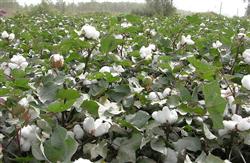
Cotton foliar feeding techniques: master the key points for higher yields
1. Foliar nitrogen spray to prevent premature senescence. When cotton is deficient in nitrogen, the leaves turn pale yellow, the lower leaves wither and yellow, there are few fruit branches, and flowers and bolls are sparse; decline appears at the beginning of boll opening, affecting cotton yield and quality. Spraying method: prepare a 1% urea solution, spray 100 kg per mu, once every 7-10 days, spraying continuously...
-
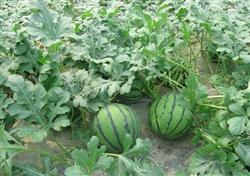
Detailed Explanation of Key Techniques for High-Yield Spring Watermelon Cultivation
1. Select disease-resistant, high-yield, high-quality improved varieties: For medium-to-large fruit watermelons, you can choose Xinong No. 8, Japanese Jubao Wang, Qingbao Wang, Heiju Guan, Gannong No. 8; for small watermelons, you can choose Heimeiren small watermelon; for seedless watermelons, Heimi No. 1 and No. 2. 2. Choose a good planting site: It is advisable to choose a site with a certain slope, convenient drainage and irrigation...
-
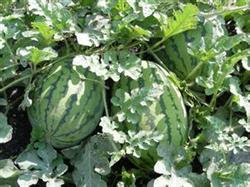
How to Grow Spring Watermelons for High Yields? Key Cultivation Techniques Explained
1. Choose disease-resistant, high-yielding, high-quality varieties: For medium-to-large fruited watermelons, choose Xinong No. 8, Japanese Jubao Wang, Qingbao Wang, Hei Juguan, Gannong No. 8; for small watermelons, choose Black Beauty mini watermelon; for seedless watermelons, choose Heimi No. 1 and No. 2. 2. Choose a good planting site: It is best to choose land with a certain slope, convenient drainage and irrigation...
-
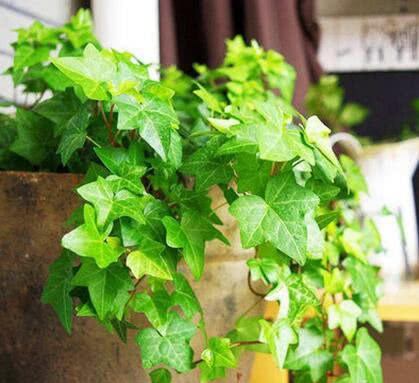
Put these 3 kinds of flowers in your home for fresh air and higher humidity, so the elderly and children get sick less often
Put one pot of these "3 kinds of flowers" in your home for fresh air and higher humidity, so the elderly and children get sick less often. Practical. As people's living standards rise, more and more people like to keep a pot of flowers at home. According to surveys, the higher people's living standards...
-
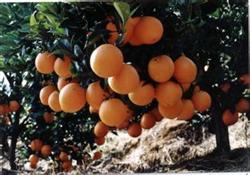
Detailed Explanation of Key Cultivation Techniques for High-Yield Navel Oranges
1. Choose dwarfing rootstocks and graft dwarfing varieties, which is beneficial for early fruiting. Generally, the large-leaf small-flower strain of trifoliate orange (Poncirus trifoliata) is selected as the dwarfing rootstock. Trifoliate orange is currently a citrus rootstock with a dwarfing effect, and it has four strains, among which the large-leaf small-flower strain has a more ideal dwarfing effect. 2. Bend the roots for shallow planting, control the main...
-
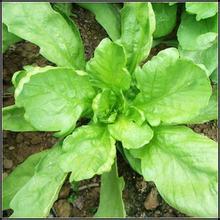
Detailed Explanation of High-Yield Cultivation Techniques for Greenhouse Grown Crown Daisy
Crown daisy (Glebionis coronaria) is an annual leafy vegetable of the Asteraceae family. Its key cultivation techniques are as follows: 1. Site selection and land preparation. The land for cultivating crown daisy is best sandy loam soil with convenient irrigation conditions. After selecting the site, plow it, apply a small amount of dried manure as base fertilizer, mix it evenly with the topsoil, and make flat beds 1.4-1.5 m wide...
-
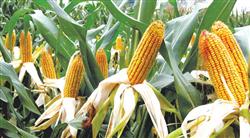
For high yields of spring corn, the sowing step is crucial
Improving the sowing quality of spring-sown corn and actively doing a good job in selecting and sowing good seed, fine land preparation, and timely sowing are crucial for ensuring a full stand and securing a bumper harvest of spring-sown corn. 1. Choose suitable varieties. Select suitable and appropriate improved varieties according to local conditions. According to heat resources and actual production conditions, mid-to-late maturing varieties with a growth period of 120-130 days should be selected...
-

How to grow scallions for high yield? A detailed guide to high-yield scallion cultivation techniques
High-yield cultivation techniques for scallions
-
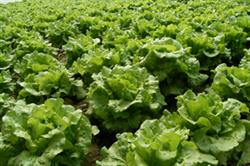
How to Grow Lettuce for High Yields? A Detailed Guide to Cultivation Techniques
Lettuce seeds are grayish-white or dark brown achenes, with a thousand-seed weight of about 0.8 to 1.2 grams. Before sowing, treat the seeds with 70% Dexon at 0.3% of the seed weight. Lettuce seeds have low temperature requirements for germination; seeds can germinate at around 4°C, so sowing can begin in late March. Before sowing, water the seedbed thoroughly, ...
-
Key Technical Points for High-Efficiency Cultivation of Zucchini and Cauliflower in Greenhouses
For zucchini seedling raising, choose the 'Zaoqing Yidai' variety. Raise seedlings in nutrient pots inside a greenhouse, using 300 grams of seed per mu. Soak the seed and sprout it until the radicle emerges, then sow, 1 seed per pot, cover with 1.5 cm of loose nutrient soil after sowing, and cover with plastic film. Before emergence, raise the temperature as much as possible, maintaining 30-33°C during the day. After seedlings emerge evenly, lower the temperature appropriately, during the day...
条件筛选