-
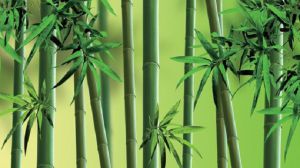
How to grow bamboo? Detailed guide to cultivation methods and precautions
Soil: To grow bamboo, use loose, fertile sandy soil, preferably neutral or acidic. Watering: Water thoroughly right after transplanting, but do not water too much afterward. Fertilizing: When planting or transplanting, you can mix some fertilizer into the soil, and after it grows, apply regular topdressing. Light: In summer it needs shading, and in winter place it in a spot with good light. Pests and diseases: Once discovered, promptly deal with diseased leaves.
-
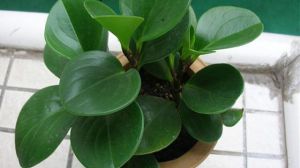
Detailed Guide to Growing and Caring for Peperomia
Soil: Peperomia should be grown in well-drained, fairly fertile soil. Temperature: It is best adjusted to around 25 degrees, and in winter adjusted to 10 to 15 degrees. Light: Scattered light, avoid strong light. Watering: Water a little when the soil is completely dry, and spray water frequently. Fertilizing: Use liquid fertilizer once a month, with topdressing during the growing season.
-
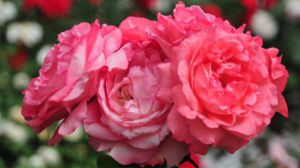
How to grow roses? Detailed guide to cultivation methods and precautions
Soil: To grow roses, choose a slightly acidic soil that has moisture-retaining ability, can drain excess water promptly, and has a relatively high nutrient content. Light: It needs 5-6 hours of light per day. Temperature: Normally 18-20°C, above 5°C in winter, and below 30°C in summer. Watering: Decide whether to water based on how dry or moist the soil is, and water after the soil has dried out.
-
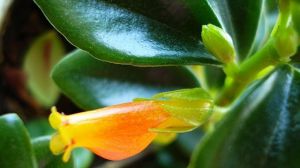
Will Goldfish Plant Die in Winter? A Full Guide to Winter Care Methods
In winter, if a goldfish plant survives two days in an environment below 10 degrees, its leaves will turn yellow and fall off; if the temperature stays below 10 degrees for a long time, it will slowly die; it has a short dormant period during winter, and at this time overwatering can also easily cause death.
-
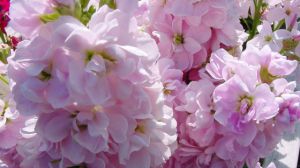
What is the difference between snapdragon and stock? A quick guide to tell them apart
One very obvious difference between snapdragon and stock is that the entire stock plant is covered in dense, soft grey short hairs, while snapdragon is not. In addition, snapdragon blooms one month earlier than stock.
-
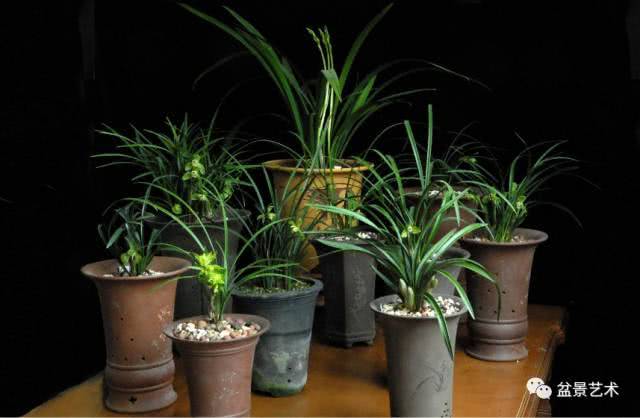
Detailed Guide to Making and Caring for Orchid Bonsai
Orchid leaves are elegant, standing gracefully upright, numerous yet uncluttered; their flowers have a delicate fragrance that carries far, rich and striking. With one plant in a room, the whole room is filled with scent. Orchids, together with plum, bamboo and chrysanthemum, are known as the "Four Gentlemen." Orchids grow among secluded valleys, sparse rocks and fallen leaves, their silver roots tangled, ...
-
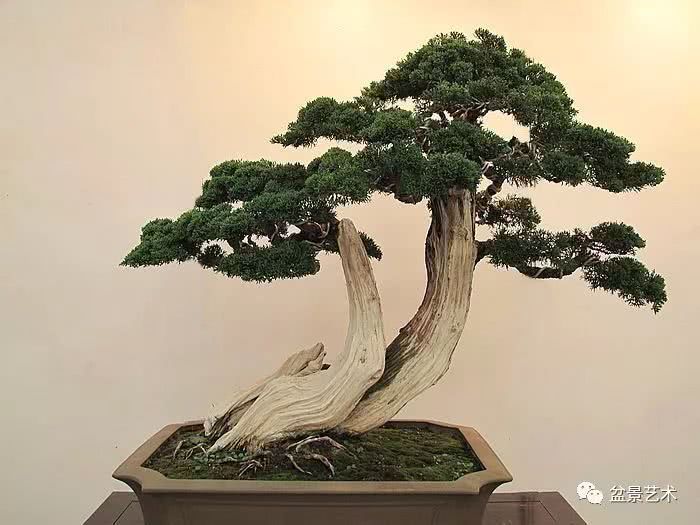
Detailed Guide to the Making Method and Steps of a Blue Star Juniper Bonsai
(1) Botanical Knowledge Belongs to the Cupressaceae family, Juniperus genus. An upright shrub, much branched; leaves are all needle-like, covered with white powder on both upper and lower surfaces, glossy, appearing turquoise-blue, mostly clustered upright and upward. Dioecious, flowers and fruits borne singly in leaf axils, fruit ellip...
-
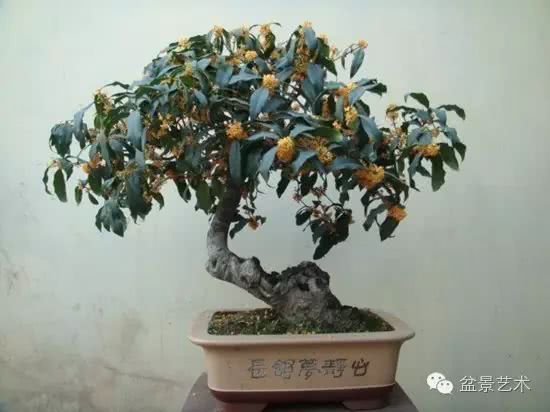
A Detailed Guide to Growing Four-Season Osmanthus Bonsai
Four-Season Osmanthus is a precious and famous flower in China, not only enjoying a wide range of admirers but also possessing high economic value, and it is deeply loved by people. However, growing Four-Season Osmanthus well is not so easy. To learn how to grow it, you need to start from the following five...
-
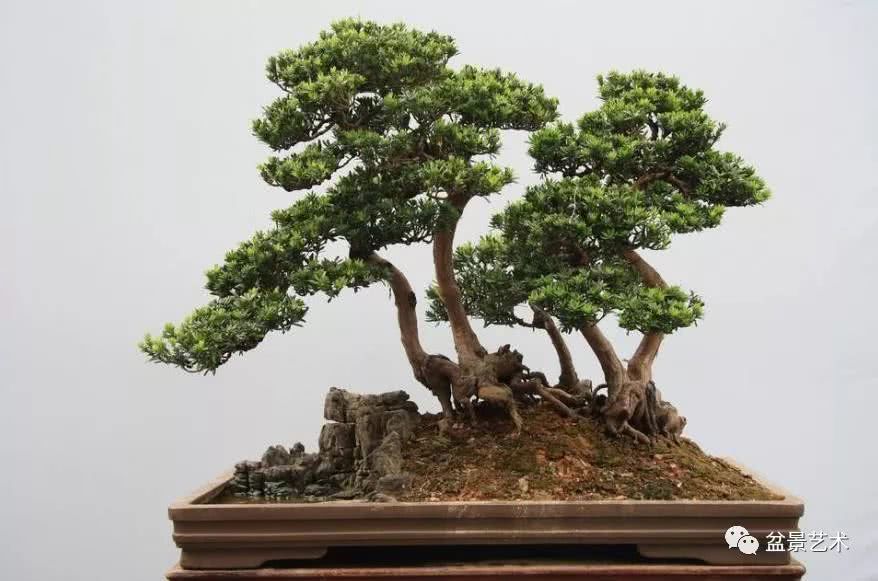
Beginner's Watering Guide: Master the Right Way to Water
1. Terminology - Water Withholding. Water withholding means that during the growth of flowers, watering is stopped or reduced to limit their vegetative growth, allowing nutrients to accumulate, which promotes flower bud differentiation and the formation of flower buds. For example, when cultivating bougainvillea, plum blossoms (ornamental peach, chrysanthemum, jasmine, winter coral, fingered citron, citrus types, etc.), when new shoots grow to about 20 cm, begin "water withholding," that is, do not water for 2-3 days. Because of the lack of water, the top leaves begin to wilt, and only then water a small amount to restore the leaves. After repeating this 2-3 times, growth at the tips of the branches is inhibited, causing nutrients to concentrate and promoting flower bud differentiation.
-

An In-Depth Guide to the Characteristics, Crafting Techniques and Formation of Schools of Guangdong Bonsai
The art of bonsai has accumulated more than 7000 years of history, and it is truly another brilliant pearl in our country's treasure house of art. Let us now talk about the characteristics of Guangdong bonsai; its history is also quite long, dating back 1000 years...
条件筛选