-
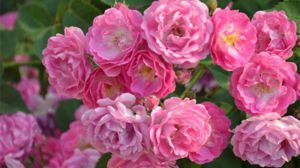
What is the difference between climbing roses and Rosa multiflora? A quick guide to telling them apart
Climbing roses bear solitary flowers, with large blooms in a rich range of colors. Rosa multiflora has smaller flowers and shorter pedicels, creating a scene of blooms crowding open along the branches. Their main difference lies in the flowering period: Rosa multiflora blooms in spring and summer, while roses bloom all year round; in addition, rose flowers are larger and open singly, whereas the latter are small and open in clusters.
-

When Does the Kalanchoe Bloom? A Detailed Guide to Its Flowering Period
The kalanchoe's flowering period is not that fixed; it generally runs from December to the end of May or early June of the following year. It is mainly affected by temperature, so in South China the flowering period may be over by April, while in cooler northern areas it will be delayed. Still, it is mainly concentrated from December to May, and at most can extend to June.
-

How to grow a Kalanchoe? Detailed Guide to Care Methods and Precautions
Temperature: Give it a growing environment of 15-25°C, not higher than 30°C or lower than 5°C. Light: In winter and spring it needs plenty of light, while in midsummer it should not be exposed to direct sunlight. Soil: Use a sandy soil with good air permeability and humus content. Watering: Follow the principle of watering thoroughly only after the soil has dried out; do not let water accumulate for long periods. In addition, prevent and control pests and diseases, and prune off spent flowers.
-
When Does the Kalanchoe Bloom? A Detailed Guide to Its Flowering Period
The kalanchoe's flowering period is not that fixed; it generally runs from December to the end of May or early June of the following year. It is mainly affected by temperature, so in South China the flowering period may be over by April, while in cooler northern regions it is delayed. Still, it is mainly concentrated from December to May, and can last until June at the longest.
-

How to Grow Pothos? Detailed Guide to Care Methods and Precautions
Temperature: It is best to give it a growing environment of 15-25°C, and do not let it go below 0°C. Light: Give it bright indirect light; direct sunlight is not recommended. Water: Keep the potting soil moist; do not water too much or too little. Fertilizer: During the growing season, apply a dilute fertilizer once every half month. In addition, promptly prevent and control pests and diseases, and promptly prune overly long stems.
-
How to Grow Pothos? Detailed Guide to Care Methods and Precautions
Temperature: It is best to give it a growing environment of 15-25°C, and do not let it go below 0°C. Light: Give it bright, indirect light; direct sunlight is not recommended. Water: Keep the potting soil moist; do not water too much or too little. Fertilizer: During the growing season, apply a dilute fertilizer once every half month. In addition, promptly prevent and control pests and diseases, and promptly prune overly long branches.
-
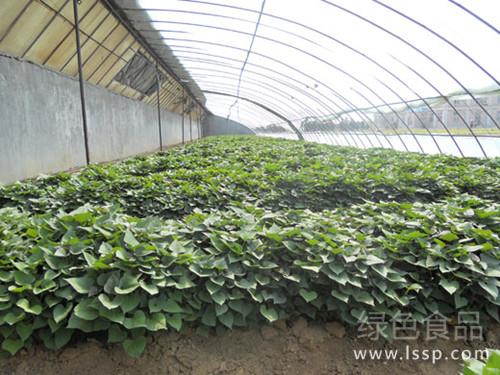
Sweet Potato Pests, Diseases and Weeds Throughout Its Life Cycle: A Complete Guide to Control Methods
Multiple Pests, Diseases and Weeds Throughout the Sweet Potato Life Cycle: Control Methods for Sweet Potato Pests and Diseases
-
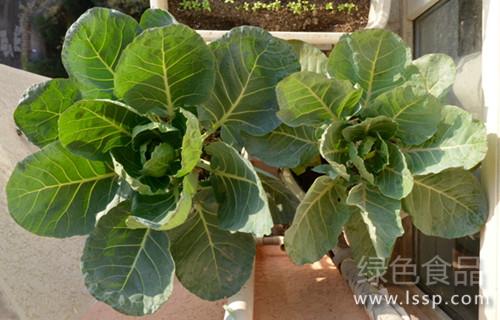
Brussels sprouts have a unique flavor and are highly nutritious; a detailed guide to growing them on a balcony
Brussels sprouts have a unique flavor and are highly nutritious; how to grow Brussels sprouts on a balcony
-
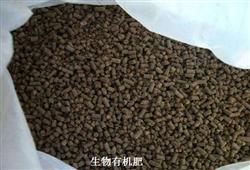
What Is Bio-Organic Fertilizer? A Detailed Guide
What is bio-organic fertilizer? What are the characteristics of bio-organic fertilizer? We ask knowledgeable readers to help explain. Bio-organic fertilizer generally refers to using livestock and poultry manure or crop straw as the main raw materials, using biochemical processes and microbial technology to thoroughly kill harmful substances such as pathogenic bacteria and parasite eggs contained in the raw materials...
-
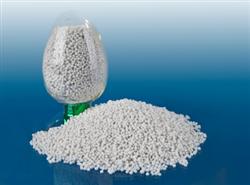
What is nitrophosphate fertilizer? A detailed guide to correct usage
What is nitrophosphate fertilizer? How do you use it well? Please give an introduction. Nitrophosphate fertilizer is processed from natural phosphate rock; the trace elements and rare-earth nitrate elements in the phosphate rock are activated during production, forming nitrates that crops can absorb. Using nitrophosphate fertilizer can replenish the trace elements in the soil to a certain extent. It also...
条件筛选