How to grow a Kalanchoe? Detailed Guide to Care Methods and Precautions
1. Temperature
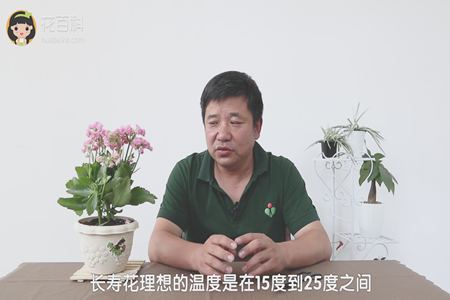
The ideal temperature for Kalanchoe is between 15-25°C; above 30°C and below 5°C, it will enter a dormant state. Above 24°C in summer or below 10°C in winter, its flowers will not perform well.
2. Light
It is a sun-loving flowering plant. In winter and spring, place it in a position with plenty of light, which will promote flowering. During the midsummer dormant period, avoid direct sunlight and simply place it in a spot with bright, indirect light.
3. Soil
The potting soil should be loose and well aerated, preferably a sandy soil with humus content, and water accumulation must be avoided.
4. Watering
Watering Kalanchoe should follow the principle of watering thoroughly only after the soil has dried out; do not let the potting soil hold water for long periods. During flowering, keeping the potting soil slightly moist is enough. Long-term water accumulation will cause root rot, and the leaves will also develop yellow spots, which will shorten the flowering period.
5. Common Pests and Diseases
1. Aphids: They reproduce very quickly and require frequent intervention.
2. Mealybugs: They mainly occur in poorly ventilated conditions with relatively constant humidity. You can wipe them off with cotton or a soft cloth dipped in neutral laundry powder. For chemical control, you can use mealybug pesticide or methidathion.
3. Powdery mildew: It can be prevented with garlic juice. Before the disease occurs in these two seasons, you can spray the leaves with diluted garlic juice. After it occurs, you can spray triadimefon to control the disease.
6. Precautions
In the middle and late stages of the Kalanchoe flowering period, that is, from the late Spring Festival period to early summer, promptly prune off the residual and spent flowers, and you can completely cut off the upper flower clusters by hard pruning. Leave 3-5 leaves below so it can sprout again. As long as nutrients are sufficient, it may produce a second round of flowers, extending the flowering period, and the plant shape will also be relatively complete.