-
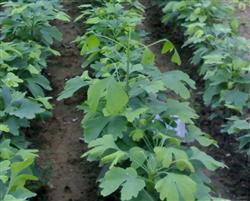
Detailed Guide to Hardwood Cutting Propagation of Ginkgo biloba
Common ginkgo propagation methods include sowing, cuttings, root suckers and grafting. Ginkgo cutting propagation not only saves seeds and reduces propagation costs, but also speeds up nursery stock production and preserves the excellent characteristics of the cultivar. Hardwood cutting means using relatively well-lignified branches of 1 year or older as cuttings...
-
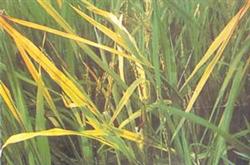
Detailed Guide to Identifying Rice Yellow Leaf Disease Symptoms
How do you identify rice yellow leaf disease? Please note that rice yellow leaf disease can be identified by the following methods: 1 Bacterial leaf blight yellowing. It spreads from bottom to top, and diseased leaves turn yellow to blighted white. After infection, dark green spots first appear at the leaf tip or leaf margin, then become yellow elongated lesions. The boundary between diseased and healthy tissue is distinct, like a wave pattern...
-
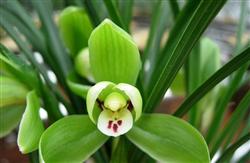
A Detailed Guide to the Prevention and Treatment of Common Orchid Diseases
1. Phytophthora disease Symptoms: It occurs all year round, but is most severe during the plum rain season, when watering is too wet or ventilation is poor, and seedlings that have just come out of the flask are especially vulnerable. Brown spots form at the infected site, and under high temperature and high humidity they rapidly expand, eventually becoming dark brown patches, with leaves dropping and stems rotting until the plant dies. Prevention and treatment methods: ...
-
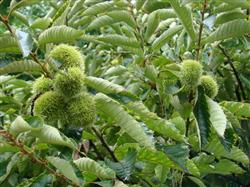
How to fertilize chestnut trees in summer? A detailed guide to practical methods
How to fertilize chestnut trees in summer? Please give an introduction. Summer is a vigorous period for chestnut flowering, fruiting and shoot growth, and it is also the first peak period of root growth for chestnut trees. Nutrient consumption within the tree is high, and it is especially sensitive to boron fertilizer. Nutrient deficiency will affect the normal growth of chestnut trees, leading to an increase in the number of empty burs in that year's chestnut crop...
-
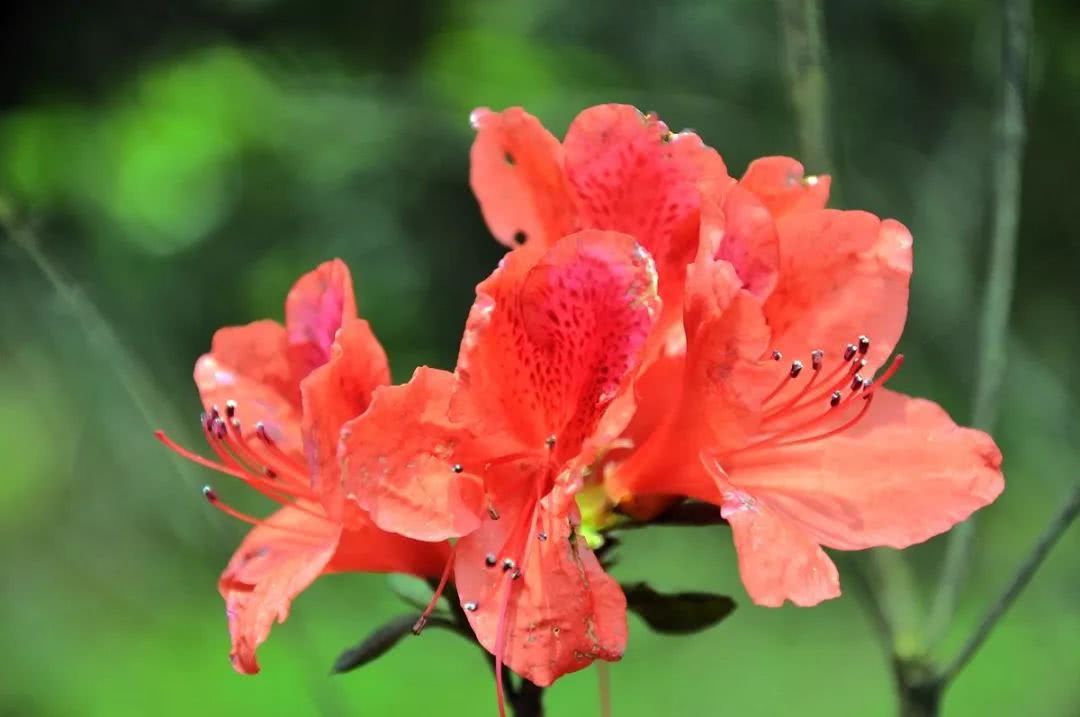
How to grow Belgian azaleas? Detailed guide to cultivation methods and precautions
Belgian azalea is a hybrid azalea variety. Its ornamental value generally peaks around the Spring Festival. Belgian azaleas are usually artificially controlled for flowering period. Because of their beautiful flower colors, they are deeply loved by many people. Belgian azaleas prefer warm, humid environments...
-
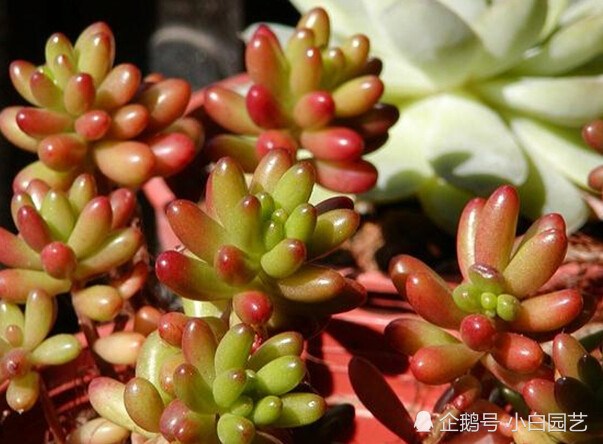
How to Grow Sedum rubrotinctum (Jelly Bean Plant)? A Detailed Guide to the Latest Care Methods
Sedum rubrotinctum is also called Christmas Cheer and Earring Grass. Because its leaves are red and green interspersed with bright colors, like a rainbow and like jade, it is named Hongzhiyu (Rainbow Jade). It has a cute appearance, is easy to care for, and is loved by everyone. It can be said to be a truly beautiful common variety, but it is also...
-
A Complete Guide to Fertilizing Flowers: Methods and Precautions
Physiological diseases of orchids, also called non-infectious diseases, are disorders caused by unsuitable cultivation environments and care practices rather than pathogenic organisms. Examples include temperatures that are too high or too low, light that is too strong or too weak, imbalanced water and fertilizer, nutrient deficiencies, improper use of chemicals, harmful gases in the air, and toxic substances in the soil. Common orchid...
-
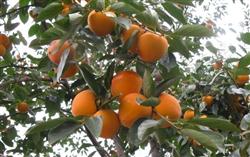
How to Fertilize a Persimmon Tree Well? A Detailed Guide to Scientific Fertilization Methods
How to fertilize a persimmon tree well? Please give guidance. The persimmon tree is a fruit tree that is widely cultivated, easy to manage, long-lived and high-yielding. It originated in our country, and is also cultivated in Japan, Korea and other countries. The persimmon tree is a deciduous tree, with a tree height of more than 10 m, a crown spread of about 16 m, and a lifespan of several hundred years. I. Root nutrition of the persimmon tree...
-
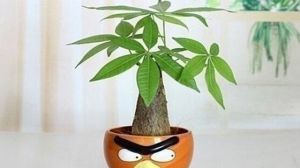
How to Care for a Money Tree in Summer? A Full Guide to Summer Care Techniques
Light: It needs plenty of light, with the leaf surface facing the sun, and should not be kept in a shady environment for long periods. Water: In spring and autumn, water once every 2-3 days; in summer, you can water every day. Temperature: The temperature should not be higher than 30°C; when it is too high, keep it in a cool place or spray water to lower the temperature. Fertilizing: In summer, fertilize regularly, applying a fully decomposed liquid fertilizer once every half month.
-
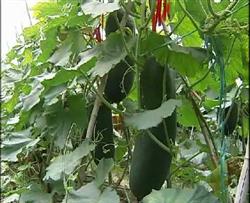
Guide to Topdressing Methods and Key Techniques for Winter Melon
How should topdressing be carried out for winter melon? Please give guidance. When topdressing winter melon, attention should be paid to the rational combination of nitrogen, phosphorus and potassium. If the plants are growing vigorously, topdressing can be reduced or omitted. If the leaf color is pale or yellowing, topdressing should be applied promptly. In the early growth stage of winter melon, topdressing should be reduced. Around the opening of female flowers, water and fertilizer should be controlled. After 1 to 2 fruits have set...
条件筛选