Detailed Guide to Hardwood Cutting Propagation of Ginkgo biloba
Common ginkgo propagation methods include sowing, cuttings, root suckers and grafting. Ginkgo cutting propagation not only saves seeds and reduces propagation costs, but also speeds up nursery stock production and preserves the excellent characteristics of the cultivar. Hardwood cutting means using relatively well-lignified branches of 1 year or older as cuttings...
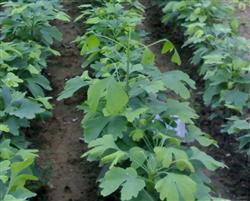
Common ginkgo propagation methods include sowing, cuttings, root suckers and grafting. Ginkgo cutting propagation not only saves seeds and reduces propagation costs, but also speeds up nursery stock production and preserves the excellent characteristics of the cultivar. Hardwood cutting is a propagation method that uses relatively well-lignified branches of 1 year or older as cuttings, and the routine management after hardwood cutting is much easier than after softwood cutting. To succeed with ginkgo hardwood cutting propagation, the main points to get right are the following:
1. Preparation of the substrate: Common substrates for hardwood cuttings include river sand, sandy loam and sandy soil. Sandy loam and sandy soil give lower rooting rates and are mostly used for large-scale spring cuttings; river sand gives a high rooting rate and the material is very easy to obtain, so it is widely used in cutting propagation.
2. Preparation of the cutting bed: The cutting bed is 10-20 m long and 1-1.2 m wide, covered with a layer of fine river sand about 20 cm thick. One week before cutting, disinfect with 0.3% potassium permanganate solution at 5-10 kg of solution per sq m; alternating with 0.3% formaldehyde solution gives even better results. After spraying, cover with plastic film; two days later, flush with clean water by flood irrigation 2-3 times, and then cutting can begin.
3. Collecting the cuttings: Collect shoots after leaf fall in late autumn or early winter, or in spring one week before cutting or together with pruning; the branches must be free of pests and diseases, vigorous, with plump buds. Generally, 1-3 year old branches from young trees under 20 years old are chosen as cutting material. According to trials, 1 year old seedling branches have the highest rooting rate, reaching 93%. The older the branch, the lower the rooting rate; branches from seedling trees have a higher rooting rate than branches from grafted trees.
4. Treatment of the cuttings: Cut the branches into 15-20 cm lengths containing more than 3 plump buds. The upper end of each prepared cutting is cut flat and the lower end at a slant. Be careful not to reverse the direction of the buds. Bundle every 50 cuttings with the lower ends aligned, and soak in 100 ppm naphthaleneacetic acid solution for 1 hour, with the lower ends immersed 5-7 cm deep. Branches collected in autumn and winter are bundled and stored in sand to overwinter.
5. Cutting: Conventional cutting is mainly done in spring, generally in mid to late March; spring cutting in a plastic greenhouse can be appropriately earlier. When cutting, first open a furrow, then insert the cuttings, leaving 1-2 buds exposed above the ground, cover with soil and firm it down, with a plant and row spacing of 10 x 30 cm. After inserting, spray with clean water so that the cuttings are in close contact with the sandy soil. Humidity is kept at 85-90%.
6. Management: 1. Shading: Use black shade netting or artificially built shade frames; where conditions allow, a plastic greenhouse is best, keeping the nursery site in a cool, moist microclimate. 2. Water spraying: For open-field cuttings, besides one thorough irrigation immediately after cutting, on continuously sunny days spray water once in the morning and once in the evening; after 1 month gradually reduce the frequency and amount of spraying. 3. Topdressing: After the cuttings root in May-June, apply foliar fertilizer with 0.1% urea and 0.2% potassium dihydrogen phosphate solution, 1-2 times a month. 4. Transplanting: For open-field cuttings, thin and transplant directly after leaf fall and before bud break the following year; greenhouse cuttings must be hardened off before transplanting. 5. Pest and disease control: The main pests and diseases in ginkgo cutting nurseries are soil insects, leaf-eating insects and stem rot. A 1000-fold dilution of 40% isofenphos-methyl can be poured around the roots in the afternoon, killing cutworms with over 90% effectiveness, and also controlling white grubs and wireworms. A 0.2% carbofuran solution in water or a 2000-fold dilution of 2.5% deltamethrin can also be sprayed over the whole bed to control soil insects; use a 3000-fold dilution of 2.5% deltamethrin or a 500-fold dilution of 40% omethoate emulsifiable concentrate to control leaf-eating insects; from June onward, spray 5% ferrous sulfate solution once every 20 days, and also spray fungicides such as carbendazim and Bordeaux mixture to prevent stem rot.