How to Care for a Money Tree in Summer? A Full Guide to Summer Care Techniques
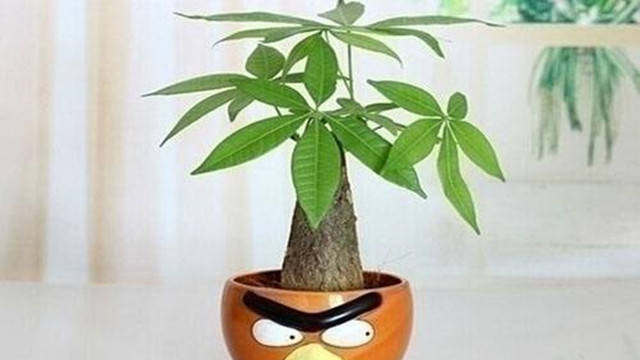
I. Light
The money tree (Pachira aquatica) likes sunlight, and in summer it also needs plenty of light, so when placing it, try to have the leaf surface face the sun. You can spray a little water on the leaves at intervals of 3-5 days, which can make the leaves more attractive. During care, it must not be kept in a shady environment for long periods.
II. Water
When watering the money tree, you must not give too much or too little; the amount of water should be appropriate, and the potting soil should stay moist without any waterlogging. In spring and autumn, generally water once every 2-3 days; in summer, water evaporates relatively quickly, so you can water every day according to the situation; in winter, when the temperature is relatively low, you must control the amount of watering.
III. Temperature
When growing a money tree in summer, the temperature should not be higher than 30°C; excessively high temperatures are very unfavorable for its growth, so you can keep it in a cool place or spray water to lower the temperature. In winter, when the temperature is too low, you should do a good job of keeping it warm, and it can be placed indoors for care.
IV. Fertilizing
Summer is the growing season for the money tree, so it needs frequent fertilizing to supplement nutrients. Generally, apply a fully decomposed liquid fertilizer once every half month. If the plant's leaves are relatively large, you can apply more nitrogen fertilizer; if the plant's roots and stems are relatively thin, you can apply more potassium fertilizer. The amount of fertilizer should not be too large; apply thin fertilizer frequently.