A Detailed Guide to the Key Points of Litchi Fruit Borer Control Techniques
The litchi fruit borer is a major pest of longan and litchi. Its larvae bore into and damage tender shoots, flower clusters and fruit. Damage during the young fruit stage causes severe fruit drop, and damage at maturity leaves the fruit stalk filled with insect frass, affecting quality. When tender shoots and flower clusters are damaged, their tips wither, affecting new shoot growth and the following year's flowering and fruiting. This pest occurs in southern Fujian...
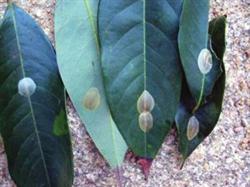
The litchi fruit borer is a major pest of longan and litchi. Its larvae bore into and damage tender shoots, flower clusters and fruit. Damage during the young fruit stage causes severe fruit drop, and damage at maturity leaves the fruit stalk filled with insect frass, affecting quality. When tender shoots and flower clusters are damaged, their tips wither, affecting new shoot growth and the following year's flowering and fruiting.
This pest has 10 generations in southern Fujian, with overlapping generations. It overwinters as larvae inside branches and shoots, pupates at the end of March, and begins damaging shoots, flower clusters and fruit in early to mid-April. From June to July it mainly bores into fruit, from early August to early September it damages longan fruit and tender shoots, and from mid-September to early November it bores into and damages new shoots of litchi and longan.
Control methods: 1. Combine with shoot-control pruning. Winter shoots are an important overwintering site for this pest, so autumn shoots should be encouraged, winter shoots pruned, and spring shoots with a high pest population removed. 2. From May to July, fallen leaves and dropped fruit should be promptly swept up and burned in a centralized manner to eliminate the source of the pest. 3. Chemical control: generally spray 3 times a year, timing applications at the litchi and longan petal-fall to young fruit stage, 15-20 days before fruit ripening, and at the autumn shoot sprouting and leaf-unfolding stage, applying the pesticide from the initial hatching to the peak period of the larvae. It can also be controlled incidentally through the control of the litchi stink bug, the litchi leafminer, the longan gelechiid moth, and the longan psyllid. Pesticide options include 10% fenvalerate 3000x solution, 4.5% lüdan emulsifiable concentrate 1000x solution, 2.5% kung fu 2500x solution, 40.8% chlorpyrifos 1000x solution, 2.5% decis 2500x solution, 20% fenpropathrin 2000x plus 80% dichlorvos 600x, and 5% cascade 1500x, etc. To prevent the pest from developing resistance, the above pesticides should be used in rotation.