What to Do When a Sow's Fetuses Are Absorbed and She Does Not Give Birth? Detailed Guide to the Solution
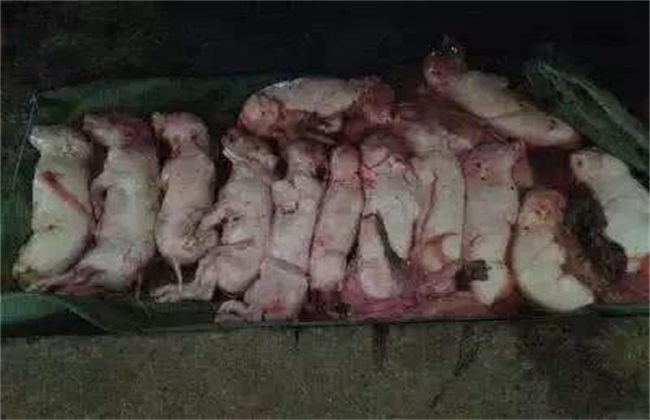
Pig farming is very common in rural areas, and when raising sows, many problems often arise, among which fetal absorption in sows is a very serious issue. The main causes of fetal absorption and failure to give birth in sows are insufficient nutrition for fetal pig development or poor quality of the fertilized eggs. After a sow becomes pregnant, various stress reactions may cause fetal absorption. So what should be done when a sow's fetuses are absorbed and she does not give birth? Let's take a look below!
1. Strengthen management
First of all, we certainly need to strengthen management, especially the management of open (non-pregnant) sows. During the 1-2 weeks before mating the open sows, increase the proportion of nutrients such as protein and energy in the feed. Also pay attention to supplementing minerals and vitamins and other nutrients, to ensure the sow can enter the suitable state for mating as early as possible. If an open sow is in poor body condition, then we should focus on feeding her well. A relatively long time before mating, nutrition should be increased so that she recovers body condition as soon as possible, improves the mating conception rate, and reduces the phenomenon of fetal absorption and failure to give birth.
2. Mate at the right time
After a sow comes into estrus, her mental state will gradually change from excitement to quiet, showing two different states. She will also gradually accept the boar mounting and pressing on the sow's lower back. When the sow stands still and looks dull and listless, that is the best state for mating. Therefore, we should pay attention to observing the sow's growth condition, and when she enters the better estrus state, promptly bring out the boar for mating. And after the first mating, in order to improve the conception rate, we should also repeat the mating once about 10 hours later.
3. Improve feed quality
After a sow has successfully conceived and become pregnant, the quality of the feed must be improved to ensure the feed is clean and safe. Never feed moldy, spoiled, contaminated or otherwise bad feed, especially to sows. Such feed is very harmful to the sow's growth; at best it causes poisoning and miscarriage, and at worst it causes the sow's death. It also very easily causes various gastrointestinal diseases in sows. So when feeding, we must pay attention to the quality of the feed, and while meeting the sow's nutritional needs, also pay attention to the type and healthiness of the feed.
4. Disease prevention and treatment
About one week after successful mating, each sow should be given an intramuscular injection of about 30mg of progesterone, which can effectively reduce embryo death and prevent fetal absorption and failure to give birth. If a sow unfortunately suffers from a reproductive tract disease, such as oviduct inflammation, then the pathogens will affect the development of the sow's embryos and make embryo attachment difficult, so we must focus on treating the reproductive tract disease. After it is completely cured, then carry out mating and breeding work with the sow.
The above is a brief introduction to what to do when a sow's fetuses are absorbed and she does not give birth. Fetal absorption and failure to give birth in sows will have a great impact on their productivity and growth, so everyone must pay close attention. That is all for today's introduction. This article is for reference only. Thank you for reading and supporting us.