Detailed guide to bean seedling cultivation techniques: key points from sowing to emergence
Beans are a common vegetable in our daily lives. When planting, there are two methods: direct sowing and seedling transplanting. Most planting uses seedling transplanting, which not only allows early sowing, early harvest, and early supply to the market, but also ensures full and strong seedlings, promoting flowering and pod setting. So how should beans be raised as seedlings? Let's find out together.
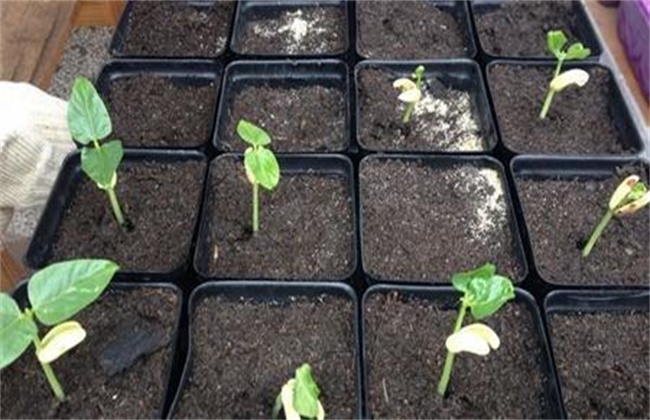
1. Seed soaking and germination
Select large, plump seeds free of insect damage and disease spots. First, sun-dry them for 1-2 days, then soak them in formalin at an appropriate concentration for 20 minutes to disinfect. After removing, rinse with clean water and sow. Alternatively, scald the seeds with warm water at about 50-55°C for 15-30 minutes, stirring constantly while adding water until the water temperature drops to 30°C, then soak for 6-8 hours. This treatment not only increases the sowing germination rate but also effectively prevents pests and diseases, reducing the probability of their occurrence.
2. Sowing and seedling cultivation
Spring sowing is suitable from February to late March, direct sowing is suitable in late April, and autumn sowing is generally in July. Because it is in the hot summer season, shade nets can be used for covering. After sowing, cover with plastic film to keep warm and moist, promoting emergence. Seedlings generally emerge in 4 days. After emergence, promptly remove the plastic film. If growing in a plastic tunnel, uncover during the day and cover at night, paying attention to ventilation and insulation. For direct sowing in open fields, first water the plot thoroughly, then sow. Remember to apply the "head-covering water" after sowing. Seedlings can be transplanted when the first pair of true leaves unfolds or before the first compound leaf unfolds.
3. Land preparation and fertilization
Beans are not tolerant of waterlogging and should not be planted in low-lying, overly wet, or flood-prone areas. Before sowing, deep-plow the land and apply decomposed organic fertilizer at 2000-4000 kg per mu, superphosphate at 15-20 kg, plant ash at 100-150 kg, or microbial fertilizer at 150-200 kg as base fertilizer. After plowing, level the ground and prepare cultivation beds. Generally, the bed width is 1.7 m, with a ditch depth of 20-30 cm in spring and 15-20 cm in summer and autumn, then cover with plastic film.
4. Reasonable close planting
In order to obtain more yield from beans, reasonable close planting must be carried out. This is of utmost importance, especially after emergence. When the emergence rate is low, promptly fill in gaps. Thinning and final spacing should be done 5 days after emergence, which reduces root damage and improves the survival rate of transplanted seedlings. Be very careful when thinning to avoid touching the roots and stems, which could affect the normal survival rate.
The above is an introduction to bean seedling cultivation techniques. We hope it helps you. For more related knowledge, please stay tuned to us.