-
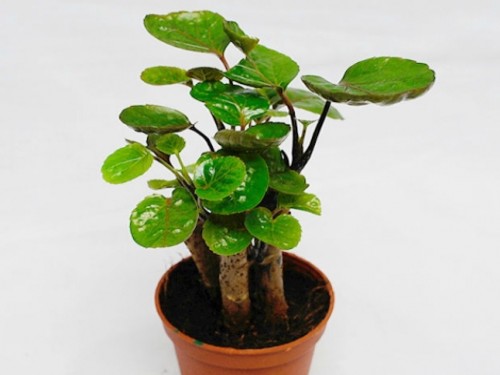
How to grow Polyscias fruticosa? A detailed guide to potted cultivation methods
Polyscias fruticosa is a popular high-end indoor evergreen foliage plant in recent years, also known as the money pouch or "lots of money." Its plant form is elegant and unrestrained, with leaves of endless charm. Because it symbolizes wealth and good fortune, "with a Polyscias fruticosa at home, wealth flows even more smoothly," it has also become a very popular Lunar New Year festive plant
-
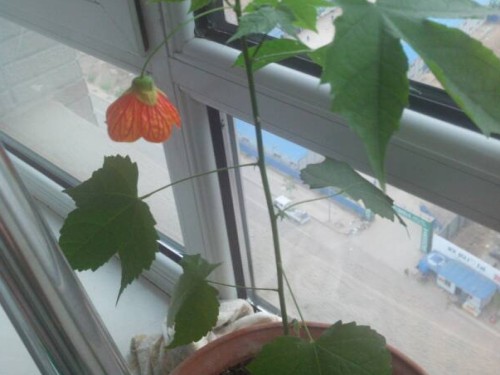
Detailed Guide to Growing Striped Abutilon in Pots
Striped Abutilon, also known as Golden Bell Flower, Windbell Flower, Chimpanzee Flower, Lantern Flower, Palace Lantern Flower, and Hanging Lantern Flower, is an evergreen shrub of the genus Abutilon in the mallow family (Malvaceae), growing up to 1 m tall. The flowers hang down prominently and are bell-shaped, orange-yellow, with bright purplish-red veins; the stamens and style are relatively long and extend beyond the corolla
-
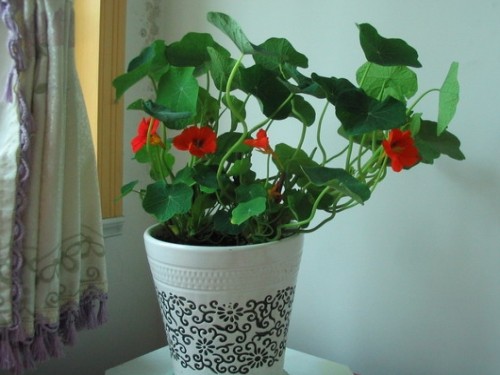
How to grow potted nasturtium? Detailed guide to cultivation methods
Nasturtium, also known as golden lotus and money lotus, is native to South America and prefers warm, humid conditions, avoiding high summer heat. Soak nasturtium seeds in room-temperature clean water for 1 day; the seeds will germinate in 3 days, then plant them in soil, and they will break through the soil in 3-5 days. To promote flowering, you can pinch off the growing tips, leaving 4 large leaves.
-
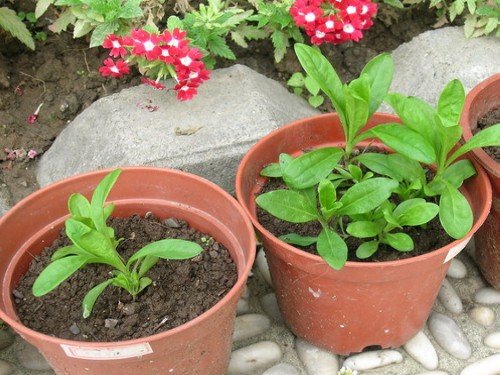
How to Grow Potted Rainbow Dianthus? A Detailed Guide to Cultivation Methods
There are quite a few varieties of Rainbow Dianthus, including dwarf flowers such as the three-inch and five-inch types, as well as ordinary ones with a plant height between 30 cm and 50 cm, so they are a very good choice for pairing with one another to decorate flower beds. Rainbow Dianthus is one of China's traditional famous flowers, with a strong nature and cold resistance, and it can bloom from late spring to mid-autumn. So
-
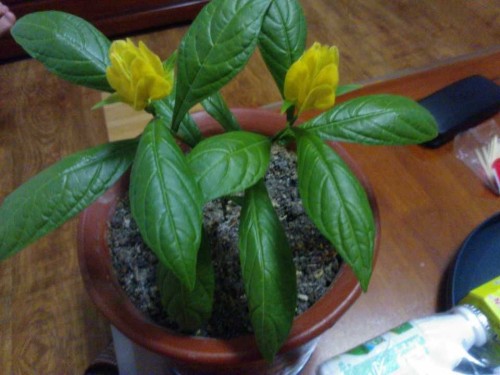
How to grow potted golden shrimp plant? Detailed care guide
The golden shrimp plant, also known as yellow shrimp flower, coral shrimp plant, golden-wrapped silver, golden-bract shrimp flower, and golden pagoda. It is an evergreen subshrub of the Acanthaceae family, blooming in spring and autumn, with unusual flower shapes. The golden shrimp plant grows 30-50 cm tall, with swollen stem nodes, opposite leaves, and long oval leaves with distinct veins. It gets its name because the yellow
-
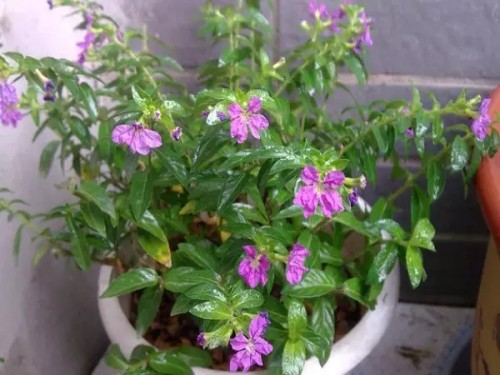
How to grow Cuphea hyssopifolia? A detailed guide to its cultivation methods
Cuphea hyssopifolia, also called purple false heather, belongs to the genus Cuphea in the family Lythraceae and is an upright small shrub. Because of its dense branches and abundant foliage, deep green and glossy leaves that stay evergreen all year round, and its beautiful flowers that bloom continuously throughout the year, it is easy to shape, tolerates pruning well, and has strong landscaping functions and ornamental value.
-
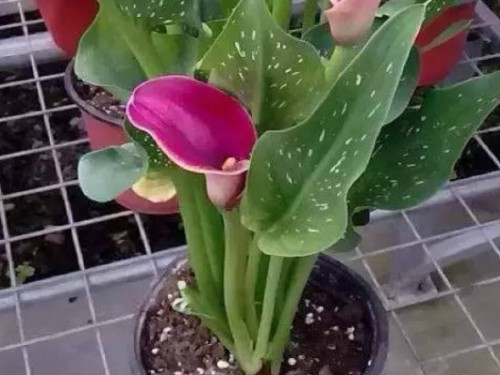
A Detailed Guide to Growing Colored Calla Lilies in Pots
Colored calla lily is a plant of the Araceae family, Homalomena tribe, and Zantedeschia genus. It comes in rich colors such as pink, white, yellow, purple, red, orange, and green, and its flowers resemble a horse's hoof, which is how the calla lily got its name. Colored calla lilies have high ornamental value and can not only be made into floral decorations, flower baskets, bouquets, and more
-
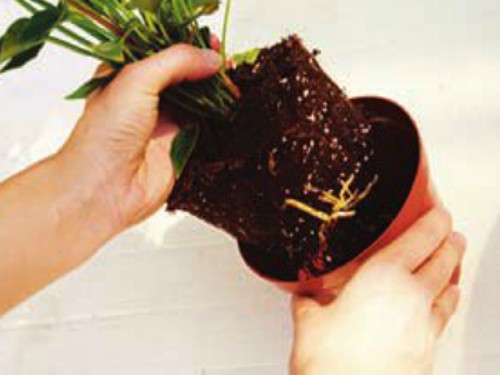
How to Grow Anthurium in Water? A Detailed Guide to the Cultivation Method
When growing anthurium hydroponically, half of the root system should be exposed to the air so that the roots can breathe in the air; otherwise, root rot is very likely to occur. The roots of hydroponic plants grow exposed, and after contact with light, the plant cells carry out photosynthesis, and the same goes for the roots. It is normal for them to appear green. As long as there is no direct sunlight
-
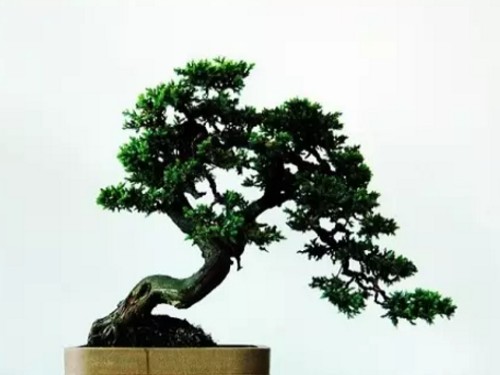
Detailed Guide to Caring for Juniperus procumbens Bonsai, Easy to Grow It Well
Juniperus procumbens, also known as creeping juniper and prostrate juniper, belongs to the Cupressaceae family, Juniperus genus. It is an evergreen creeping shrub. Because its trunk is often twisted, its branches are fine and dense, it adapts strongly, and it is easy to shape, it is deeply loved by bonsai enthusiasts. The creeping juniper's branches and leaves are emerald green, winding and creeping, and it is suitable for viewing in all four seasons.
-
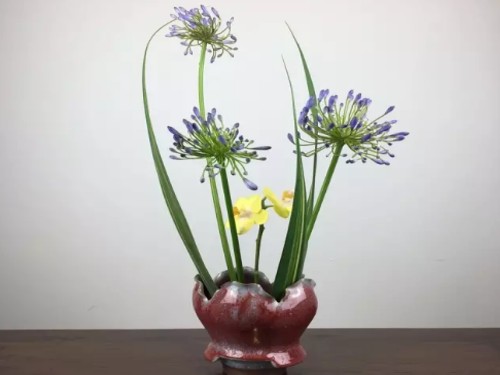
How to grow Agapanthus? A detailed guide to growing it as a potted plant at home
Agapanthus is a flower of love full of mystery and romance. Nourished by sunshine and rain, the plants have all swollen with buds and burst into bloom, as if passing on a message of love. Agapanthus is native to the Cape of Good Hope region of South Africa. Also known as purple clivia, blue-flowered clivia and African lily, it is a plant of the genus Agapanthus in the Amaryllidaceae family
条件筛选