-
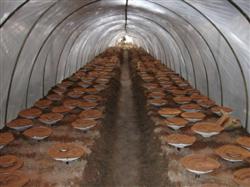
Where can I find high-yield cultivation techniques for lingzhi (Ganoderma lucidum)?
Where are there high-yield cultivation techniques for lingzhi? How should lingzhi be grown for high yields? Zhongdiwang has high-yield lingzhi cultivation techniques for reference: Lingzhi, also known as lingzhi herb or immortal herb. It is a precious large medicinal fungus, whose fruiting bodies and spores are used for medicinal purposes. It has the effects of nourishing and strengthening the body and prolonging life, ...
-
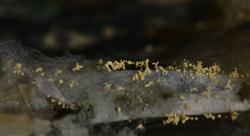
Cultivation Methods for Lingzhi (Ganoderma lucidum) and Control Techniques for Neurospora
How to control Neurospora in lingzhi (Ganoderma lucidum)? Please introduce the harm of Neurospora in lingzhi: Neurospora in lingzhi, also called Neurospora sitophila or red bread mold, bread mold, Neurospora, and Monilia sitophila. It belongs to the subdivision Ascomycotina, order Sordariales, genus Neurospora. It is a contaminant fungus that poses a great threat in the spawn production of lingzhi edible fungi. It occurs...
-
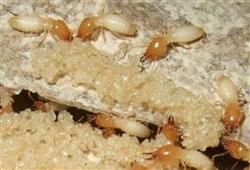
Lingzhi (Ganoderma lucidum) cultivation techniques: How do you control termites when growing lingzhi?
How do you control termites when growing lingzhi? Please explain: termites, also called white ants, belong to the order Isoptera, family Termitidae. Termites occur mainly in hilly and mountainous areas, and are less common in plains areas. The termite group is a large family, most thriving in tropical and subtropical regions. In the cultivation of lingzhi and other edible fungi, ants mainly bore into and feed on the log segments....
-
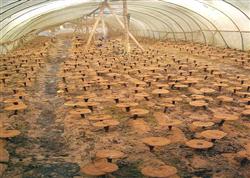
Detailed Explanation of Ganoderma (Reishi) Field Cultivation Technology with Soil Covering in a Wild-Simulated Style
China is rich in Ganoderma (reishi), and its products are exported to Japan, South Korea, Singapore, and Southeast Asian countries and regions. Especially after China's accession to the WTO, domestic product demand and export volume will rise substantially. However, in recent years, wild Ganoderma resources have been declining day by day due to massive logging of timber resources, and large-scale artificial cultivation of Ganoderma has become an urgent matter...
-
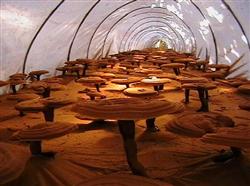
Detailed Explanation of Liquid Submerged Fermentation Technology for Ganoderma lucidum
For Ganoderma lucidum cultivation on linden wood, followed by casing soil, this can retain moisture, increase yield and boost benefits. In addition to the same operations as ordinary cultivation, the following technical points must also be mastered: 1. Site selection and preparation: choose a place near a water source, with convenient transportation, sandy soil, flat terrain, sheltered from wind and free of pollution. Determine the corresponding... according to the cultivation scale.
-
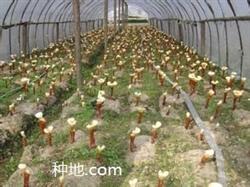
What are the precautions for cultivating lingzhi (Ganoderma lucidum) with short log segments?
What should be noted when cultivating lingzhi with short log segments? Please advise. The following key points should be noted when cultivating lingzhi with short log segments: (1) Log treatment: select suitable tree species, fell them during the dormant period, cut them into 1-1.2 m lengths, and pile them for fermentation for 30-40 days. (2) Inoculation and mycelial growth: inoculate when the air temperature stabilizes at around 20°C (about April to May)...
-
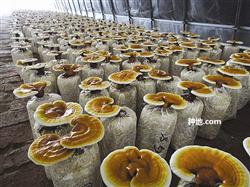
How to grow Ganoderma lucidum in bags? Detailed explanation of the key cultivation techniques
How to grow Ganoderma lucidum in bags? What are the key techniques? Bag cultivation of Ganoderma lucidum requires attention to the following points: 1. Replace sawdust with wood blocks in the substrate. Ganoderma lucidum is tough in texture and needs to absorb large amounts of lignin and cellulose during growth. When sawdust or cottonseed hulls are used as the substrate, because the texture is loose, the lignin in the substrate is easily decomposed by the mycelium...
-
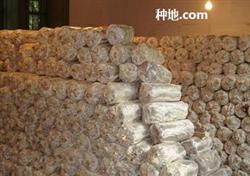
How do you grow Ganoderma lucidum in indoor bag cultivation to achieve high yields?
How can high yields be achieved in indoor bag cultivation of Ganoderma lucidum? Is there a technique to refer to? For indoor bag cultivation of Ganoderma lucidum, you can refer to the following Ganoderma lucidum cultivation technique: Bag cultivation process flow: culture material preparation → mixing the material → bagging → sterilization → inoculation with spawn after mother spawn production and stock spawn production → cultivation → fruiting body management → harvesting → processing...
-
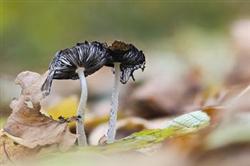
Ganoderma (Reishi) Cultivation Techniques: How to Control Coprinus Mushrooms When Growing Ganoderma?
How to control Coprinus mushrooms when growing Ganoderma? Please introduce 1. Morphological characteristics The common morphological features of Coprinus species are that the cap is initially bullet-shaped or oval, jade white, grayish white, or grayish yellow, and most of the surface has scaly hairs. The stipe is slender and hollow. After maturity, the cap expands, the gills change from white to black, and finally autolyze together with the cap into ink-like liquid. The spores are black, oval, and mixed within the ink-like liquid.
-
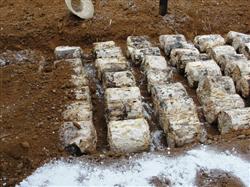
What should be noted in Ganoderma lucidum cultivation techniques?
What should be noted in Ganoderma lucidum cultivation techniques? Please introduce the key points of Ganoderma lucidum cultivation techniques as follows: 1. Choose a suitable cultivation period: the most suitable cultivation period for Ganoderma lucidum is from April 10 to May 10, and after May 20 the bags are gradually opened for fruiting. Every year June to July is the plum rain season, therefore, it is necessary to ensure that all bags are opened for fruiting before June 10...
条件筛选