-

Detailed Explanation of the Technical Method for Brewing Baijiu from Sweet Potato
Brewing is the process of using starch as a raw material and, through the action of fermenting microorganisms, converting starch and sugar into alcohol. In China, in addition to grains (rice, sorghum), sweet potato is mainly used as a brewing raw material. When sweet potato is used as the raw material for brewing, its starch utilization rate and liquor yield are higher than those of other grains, while the cost of the liquor is low. 1. Process flow: making jiuyao (starter culture) -- raw material treatment -- fermentation -- distillation -- adjustment of alcohol content -- storage. 2. Key points of process operation: ① Making jiuyao: jiuyao can be divided into two types, black and white.
-
Processing Flow and Operating Methods for Making Vinegar from Sweet Potato
1. Process flow: raw material treatment -- adding bran koji and yeast culture -- saccharification and fermentation -- acetic acid fermentation -- adding salt and post-ripening -- leaching vinegar -- aging -- sterilization and blending -- finished product. 2. Key points of process operation: ① Ingredients: 100 kg dried sweet potato, 50 kg coarse rice husk (rice chaff), 40 kg yeast culture, 175 kg fine rice husk (unified rice husk), 50 kg bran koji, 40 kg acetic acid bacteria seed, 3.75-7.5 kg salt. ② Raw material treatment: grind the dried sweet potato into powder. When mixing with the unified rice husk, while mixing
-
Prevent Fish from Catching Cold When Stocking Fish in Autumn
Autumn is the golden season for stocking large numbers of silver carp, grass carp, black carp, bighead carp and other fish species into reservoirs. But many fish farmers have found that, often within 2 to 7 days after stocking, sick and dead fish are seen swimming on the reservoir surface. These sick fish lose their skin luster, their body surface mucus increases, and in severe cases they become paralyzed, rigid and die. The above symptoms are typical of a "cold," mainly caused by drastic changes in water temperature, in which the nerve endings in the fish skin are strongly stimulated and the internal organs' activities become disordered, with a mortality rate as high as 20% to 60%. Fish species are transported from the fish pond to
-
Six practical ways to prevent chickens from wasting feed
1. Use complete compound feed to improve feed absorption and utilization. An incomplete nutrient profile in the diet means the chickens increase their feed intake to compensate, which is undoubtedly the greatest and least noticeable waste. Feed must be scientifically formulated according to the physiological characteristics and growth and development of the chickens (broilers and laying hens). 2. Feed should not be ground too fine. Feed that is too fine is not only unsuitable for eating but also increases dust, causing feed waste. 3. Improve the feeders to prevent feed waste. Provide feeders with a reasonable structure according to the age of the chickens.
-
Is the project of extracting heparin sodium from pig small intestine feasible?
Heparin sodium is an important biochemical drug, clinically used to treat acute myocardial infarction and viral hepatitis. Combined with ribonucleic acid, it can increase the efficacy against hepatitis B. Combined with chemotherapy, it helps prevent the metastasis of cancer cells. In addition, it also has the effect of preventing thrombosis. The production of heparin sodium falls short of demand, and the gap in the international market is extremely large. The intestinal mucosa from about 2000 pig small intestines after processing the casings can produce 1 kg of heparin sodium, worth about 22000 yuan. Therefore, using this by-product, pig small intestine mucosa, to produce heparin sodium, its value
-
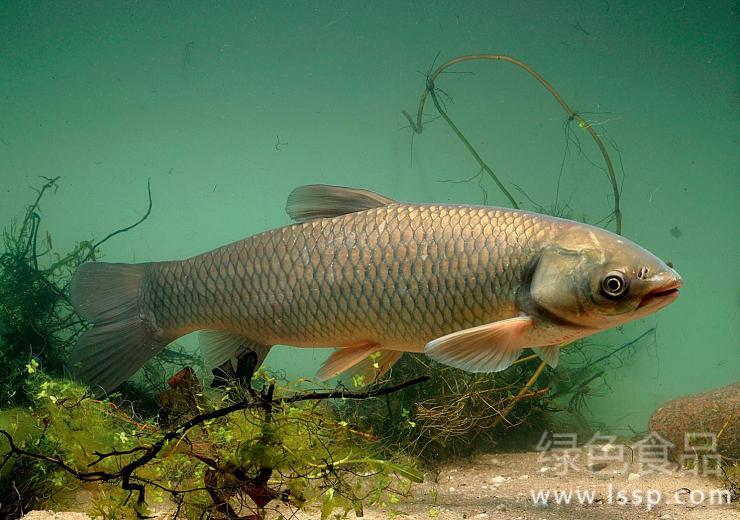
Causes of Death in Grass Carp from Enteritis and Prevention and Treatment Methods
Enteritis disease causing grass carp deaths: prevention and treatment methods for grass carp enteritis
-
How can Gastrodia elata in the Changbai Mountains of Jilin be protected from frost damage in years with little snow?
Wild Gastrodia elata in the Changbai Mountains of Jilin is mostly distributed in high-mountain broad-leaved mixed forests at an altitude of 500-2500 m with cool and humid summers, deep winter snow cover, high ground coverage, a thick layer of fallen branches and leaves, a relatively shallow frozen layer, and loose soil. Wild Gastrodia elata suffers frost damage in winters with little snowfall and a thick frozen layer, and cultivated Gastrodia elata also suffers frost damage when cold-protection measures are inadequate. In both 1981 and 1982, heavy snow sealed the ground, with winter snow 80 cm thick; when the snow was broken open, the frozen layer on the ground was found to be only 3 cm, so neither wild nor cultivated
-
How to Identify Authentic vs. Fake Gastrodia elata? A Quick Guide to Telling Real from Fake
In recent years, due to excessive harvesting for medicinal use, wild Gastrodia elata has been steadily declining, and the medicinal material is in very short supply. Gastrodia elata is an important medicinal material for treating vertigo. Its nature and flavor are sweet and neutral, and it enters the liver meridian. Its main function is to calm the liver and extinguish wind. For dizziness and blurred vision, flushed face, and light-headedness with heavy feet caused by liver yang rising, or for high fever with convulsions, epileptic spasms, and opisthotonus caused by internal stirring of liver wind, taking Gastrodia elata in combination with other drugs often produces good results. In view of this, some unscrupulous merchants pass off similar rhizomes as Gastrodia elata to deceive consumers. On the market
-
Correct Methods and Operating Procedures for Venom Collection from Snakes
There are two methods for collecting snake venom: "dead collection" and "live collection." "Dead collection" is a special *destructive method in which the venom glands are excised from the head of a venomous snake cut off by a processing facility, or from rear-fanged venomous snakes and sea snakes with low venom yield after they have been anesthetized and killed; it is used only occasionally under special circumstances. Generally, the "live collection" method is used so as to make full use of snake resources. Several "live collection" methods are briefly introduced below. (1) Electrical stimulation venom collection method: This method uses a weak electrical stimulation device such as a "needle anesthesia instrument," with a specially made electrode to stimulate the inner wall of the snake's mouth.
-
High economic returns from intercropping apricot trees with Chinese medicinal herbs
In recent years, farmers in the rural areas around Luoyang, Henan, have adopted the "forest-medicinal herb intercropping" method to plant trees and grow medicinal herbs, becoming wealthy through both the "forest" and the "medicinal herbs." The soil in the Luoyang area is very high in potassium, so the kernel apricot, a potassium-loving plant, finds the necessary soil conditions to grow there. Moreover, the light, heat and moisture conditions here all suit the growth requirements of kernel apricot. Kernel apricot is cold-tolerant, light-loving and tolerant of poor soil, making it suitable for planting on semi-arid hilly slopes. After planting, kernel apricot can bloom and bear fruit in two to three years, and in four to five
条件筛选