-
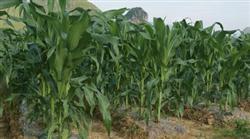
Four determinations for high-yield fertilization of spring corn
In recent years, due to the lack of organic fertilizer input and people's demand for increased unit yield, the amount of corn fertilization has increased significantly, and the application area of some high-concentration compound (mixed) fertilizers has also continued to expand, effectively promoting yield increases, but seedling-stage fertilizer damage, nutrient deficiency symptoms, or late-stage fertilizer loss and yield reduction also often occur, and farmers...
-
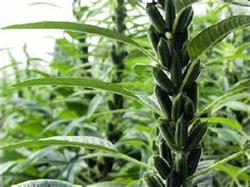
Four key steps to ensure a high yield of black sesame in summer
First, thin and finalize the seedlings in time, and check for and fill gaps: because sesame seeds are small and germinate in large numbers, the seedlings should be thinned when the first pair of true leaves appears after emergence; they should be thinned again when 2 to 3 pairs of true leaves have grown, and finalized at 4 pairs of true leaves, generally leaving about 8000 plants per mu; if poor soil moisture at sowing causes missing plants and broken rows, transplanting from dense areas to sparse ones or sowing after sprouting can be used to ensure...
-
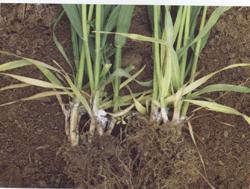
Four protection measures for wheat spring field management
I. Occurrence and harm of wheat sharp eyespot. Wheat sharp eyespot is a fungal disease mainly transmitted through soil. With the improvement of yield levels, the promotion of high-yielding varieties, and wheat field management with heavy water and heavy fertilizer, its harm has become increasingly serious. The pathogen of wheat sharp eyespot has a wide host range; besides infecting wheat, it can also...
-
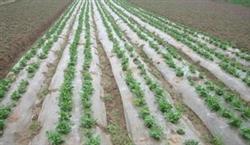
Proper application of the four fertilizers is very important for spring peanuts, and the fertilization method must be mastered
Spring peanut cultivation with plastic film mulching has the advantages of heat preservation, moisture retention, fertilizer retention, improving the soil environment, ensuring uniform and strong seedlings, promoting growth and development, earlier maturity, and increased yield and income. It can usually increase yield by 20%-30%, and increase net income by 50-100 yuan per mu. 1. Fine land preparation and full-layer fertilization for peanut mulching...
-
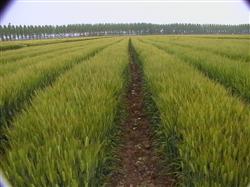
How to grow malting barley? Mastering these four steps is enough
Actively developing malting barley production is of great significance for meeting the needs of the beer industry's development and accelerating the pace of farmers getting rich. To achieve high and stable yields of malting barley, four appropriate measures should be taken: 1. Appropriately select improved varieties. Malting barley is a special barley used for brewing beer. When planting, you should choose varieties with high yield...
-
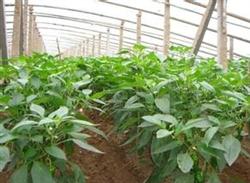
Four cultivation models based mainly on spring radish and chili pepper
Winter-spring chili pepper is currently the most important production season for chili pepper cultivation in solar greenhouses. Generally planted in mid-November, it can be harvested and marketed in early January of the following year, continuing until the next summer. The main cultivation techniques are explained as follows: 1. Build a greenhouse. For new energy-saving solar greenhouses, the structure and environment of the original solar greenhouse...
-
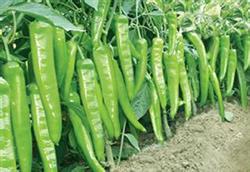
How to Keep Spring Crop Peppers Straight and Not Bent? Doing These Four Things Well Is Key
"Bent peppers have a big impact on price. So how to keep peppers from producing bent fruit has become an important part of increasing vegetable growers' returns. Through managing peppers over the past few years, I believe that as long as you grasp four points, peppers generally will not produce bent fruit." Master Gong told the reporter. So what are the four points Master Gong mentioned? The first...
-
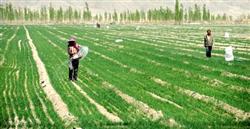
Spring management of wheat: focus on preventing and controlling the four major harms
How to manage the first spring irrigation and fertilization of wheat? The first spring irrigation and spring fertilization have a great impact on wheat yield. For example: if the wheat is too dense, too sparse, or lodging occurs in the later growth stage, it indicates that the timing of the first spring fertilization and irrigation was problematic. Another example: if the wheat stays green and ripens late, and the grains are shriveled and thin, that indicates your spring water and fertilizer use...
-
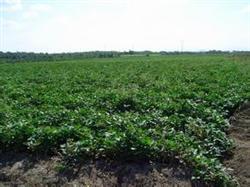
When is the best time to harvest sweet potatoes? Master the four key points of timely harvesting
Many farmers believe that growing sweet potatoes does not require fertilization, but this is actually a misconception. Only by mastering the correct fertilization methods can sweet potatoes be grown with high quality and high yield. Look at the seedling condition: during the branching and tuber-setting stage, the underground root network forms, the tubers begin to swell, and the ability to absorb fertilizer is strong. At this time, the sweet potato leaf area increases and photosynthetic efficiency rises...
-
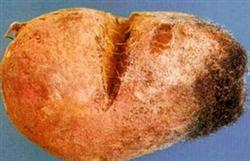
Sweet potato fertilization has its subtleties: keep these four points in mind
1. Harvest at the right time and avoid mechanical damage. Summer sweet potatoes should be fully harvested around Frost's Descent, and autumn sweet potatoes before the Start of Winter. Choose a sunny day for harvesting, and when digging the tubers, minimize or avoid causing wounds. 2. Select healthy tubers carefully to ensure safe storage in the cellar. Before the sweet potatoes go into the cellar, select them carefully, discard diseased, damaged and rotten tubers, let the moisture dry off, then store...
条件筛选