-
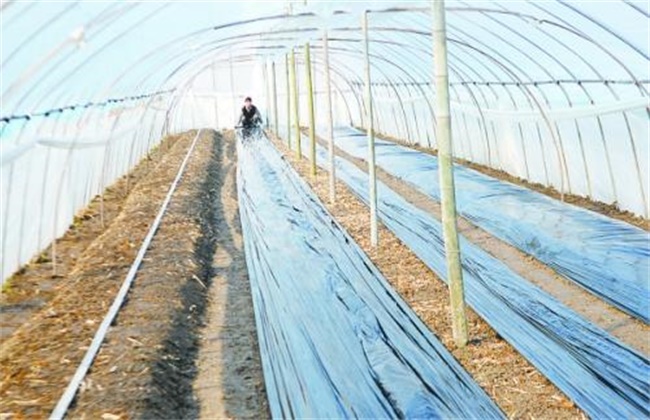
What are the four major taboos of mulching film in vegetable greenhouses?
The four major taboos of mulching film in vegetable greenhouses
-
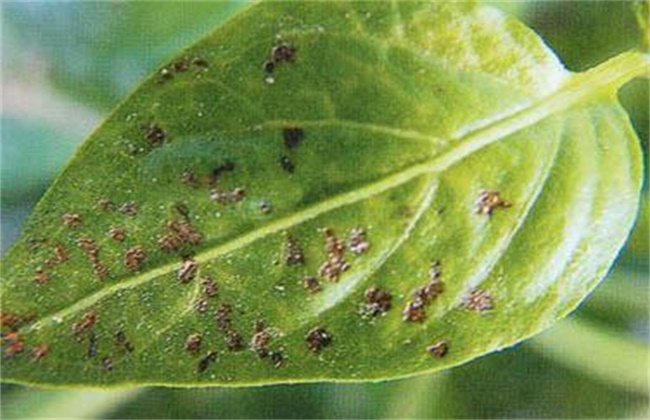
The four most common diseases of winter vegetables
The four most common diseases when growing vegetables in winter
-

These four cancer-fighting vegetables commonly eaten in daily life rank at the top
Vegetables contain many good nutrients that we could never imagine, and this is something worth thinking about for us. If we eat more vegetables...
-
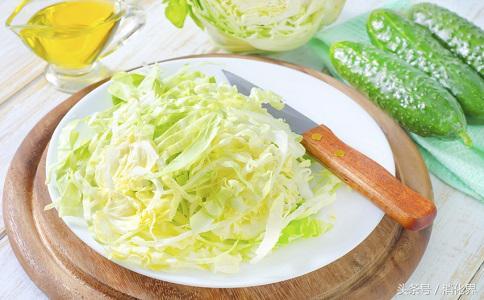
Eating These Four Vegetables Regularly Can Help Prevent Duodenal Ulcers
Duodenal ulcer is a type of stomach disease. When it is not flaring up, it is manageable, but once it flares up, the pain is unbearable and can even endanger your health. So, how can you prevent duodenal...
-

Cancer and Food Part Four: Does Eating Only Meat and No Vegetables Increase Cancer Risk?
The most common thing people say after being diagnosed with colorectal cancer is: I thought it was just constipation, if I had known earlier I would have eaten more vegetables... As the saying goes, "poverty harms the stomach, wealth harms the intestines," and colorectal...
-

Four Key Points for Spring Management of Greenhouse Cucumbers
Four Key Points for Spring Management of Greenhouse Cucumbers
-

Spring Cucumber Greenhouse Planting Technology, Transplanting Time, and Four Spring Management Notes
Four Notes on Spring Management of Greenhouse Cucumbers
-
Four things to note when harvesting rice, don't overlook these details
The following four points should be noted before and after rice harvest. 1. Drain early. Drain the water in the paddy field as much as possible; if necessary, dig ditches to drain the water in low-lying areas early and dry the field. 2. Harvest at proper maturity. For manual harvesting, do it when more than 95% of the rice husks in the field have turned yellow, the grains have hardened, and the rice grains are translucent. Mechanical harvesting can be a few days later. 3. Mind the method. Manual cutting and drying can increase the 1000-grain weight and raise yield, while the rice grain has good market quality and a high germination rate. When using a combine harvester, it is best
-
Four key passes must be secured in controlling rice sheath blight
In recent years, sheath blight has risen to become the most important disease of rice, and it has four major characteristics: First, it occurs over a wide area. Second, there are very few varieties resistant to sheath blight. Third, the degree of damage is increasingly serious, even causing the plants to break through the top and lodge. Fourth, it first develops on the lower part of the rice plants, making it easy to overlook and miss the favorable timing for control. In control strategy, strictly securing the four passes is the key. 1. The pass of salvaging sclerotia - sheath blight mainly overwinters in rice fields in the form of sclerotia, and overwintering sclerotia generally have 60%-70% able to germinate from winter and spring through to early rice transplanting. The vast majority of sclerotia are lighter than water and can float with the water for a long time. After the rice field is irrigated,
-
Four Effects on Rice After Exposure to High Temperatures
Rice has different temperature requirements at each growth and development stage, and there is an optimal temperature for each. If the upper or lower critical temperature limit is exceeded, abnormal phenomena, namely physiological disorders, will appear in the growth and development of rice. Therefore, attention should be paid to the effects of high temperatures on rice. 1. Effects of high temperatures on each growth stage of rice. 1. Heading and flowering stage. Generally, rice prefers a temperature of 25-30°C during the heading and flowering stage. When the temperature is below 25°C or above 30°C, large numbers of empty and shriveled grains will appear in rice. At the same time, high temperatures also
条件筛选