Four protection measures for wheat spring field management
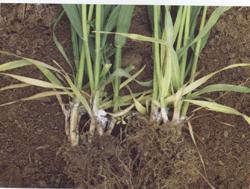
I. Occurrence and harm of wheat sharp eyespot. Wheat sharp eyespot is a fungal disease mainly transmitted through soil. With the improvement of yield levels, the promotion of high-yielding varieties, and wheat field management with heavy water and heavy fertilizer, its harm has become increasingly serious. The pathogen of wheat sharp eyespot has a wide host range; besides infecting wheat, it can also...
 To ensure high and stable wheat yields, after the beginning of spring, the following 4 protection measures should be promptly taken in wheat management.
Prevent waterlogging damage. After the beginning of spring, there is generally more rain. If drainage is poor and soil moisture is too high, waterlogging damage is very likely to occur. Ditches should be cleared and drainage carried out in time, and plant ash should be spread between rows to loosen the soil and increase soil permeability.
Prevent lodging. Lodging has a great impact on wheat yield, so lodging prevention should be carried out early. For plots where wheat seedlings show a tendency to lodge, deep intertillage and compaction should be carried out before wheat jointing; at the early jointing stage of wheat, on a sunny day after the dew has dried, spray a chlormequat solution at a concentration of 0.2%-0.4%. Prevent premature senescence. After wheat heading, the roots, stems, and leaves basically stop growing, the growth center shifts to the ear, and the organic nutrients produced and stored by the stems and leaves are continuously transported to the grains. During this period, leaf premature senescence often occurs due to fertilizer deficiency, causing a decrease in 1000-grain weight and reducing yield, so fertilizer should be replenished in time. Foliar fertilization is usually adopted. From the booting stage to the early filling stage of wheat, nitrogen fertilizer, phosphorus fertilizer, and potassium fertilizer are sprayed on the leaves to supplement the deficiency of soil nutrients and extend the functional period of the leaves. The method is to add 1% urea to a 0.2%-0.3% potassium dihydrogen phosphate solution and spray it, once every 10 days, for 2-3 consecutive sprays. Adding one more spray when the leaves are fully emerged gives a better effect. The best time to spray fertilizer is in the evening, and it should not be sprayed under the scorching sun around noon. If rain occurs within 8 hours after spraying, it should be sprayed again.
Prevent diseases and insects. The middle and late stages of wheat are periods of high incidence of diseases and insect pests such as fusarium head blight, rust, sharp eyespot, and aphids, which have a great impact on yield and quality and should be controlled early.