-
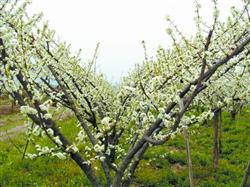
Two essential points you must know for pruning plum trees
1. Root characteristics The plum tree has a shallow root system, most of which consists of absorbing roots, mostly distributed within the 20-40 cm soil layer, and the spread of horizontal roots is usually 1.2 times larger than the canopy diameter. The specific distribution range depends greatly on the variety and environmental conditions; for example, in deep sandy soil, vertical roots can reach more than 6 m. ...
-
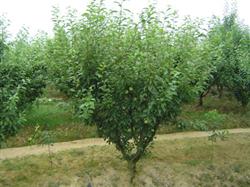
How to control alternate bearing in plums? These methods are essential
Plum trees have been cultivated in China for more than 3,000 years. The Book of Songs records "the blossoms are peach and plum" and "you throw me a peach, I return you a plum." The Guanzi states, "On the five fertile soils, the trees suited to them are plum and apricot." This shows that plum trees and apricot trees have a long history of cultivation in China and adapt well in both the north and the south. But for a long time, our...
-

How to manage Chinese cabbage during the head-forming stage? Mastering these key points is essential
How should Chinese cabbage be managed during the head-forming stage?
-
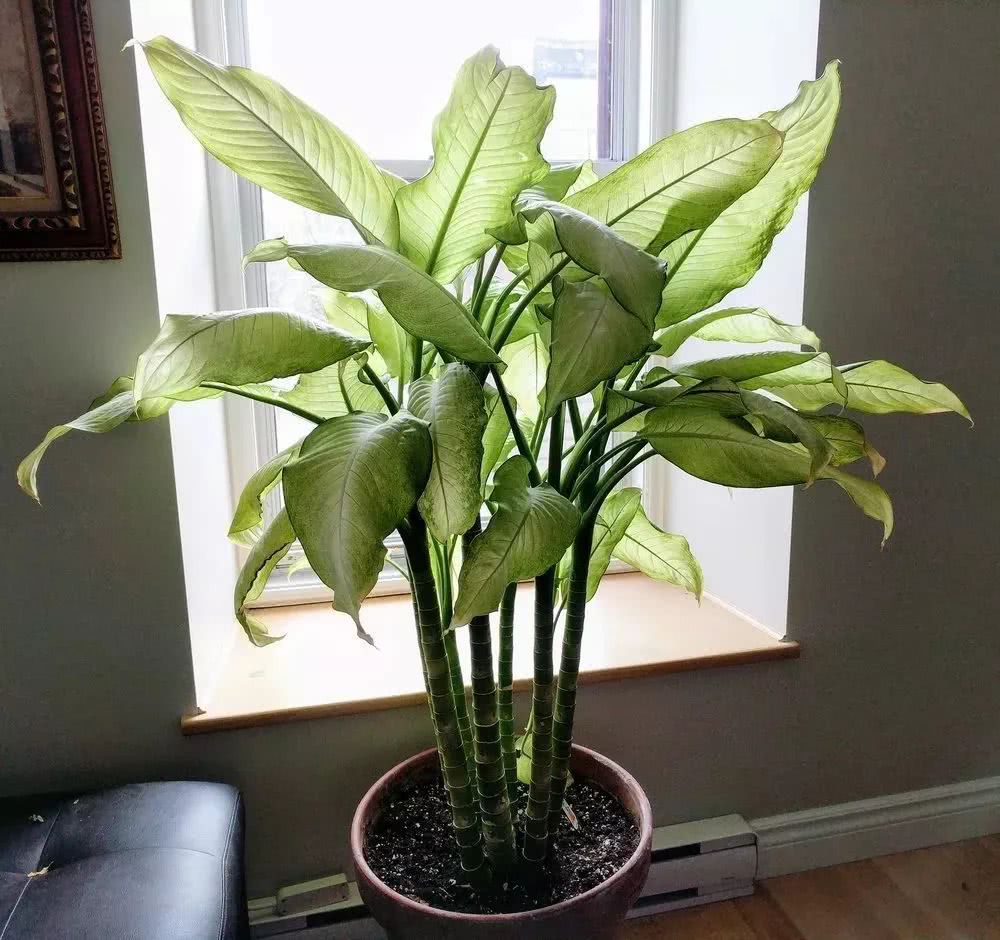
Essential Fertilizer Basics Every Beginner Gardener Must Know and the Secrets to Year-Round Blooming
Most gardening friends do not know how to fertilize their plants, which makes it hard to get potted plants to bloom year after year. Plant growth will also be limited, and they become prone to fungal diseases and pest infestations. Below is an introduction to...
-
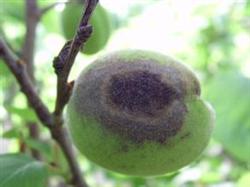
Post-harvest management of apricot trees must keep pace; these key points are essential
Symptoms Apricot brown rot has two symptom types. One affects nearly ripe fruit, initially forming dark brown, slightly sunken round lesions, which then rapidly expand, soften and rot, covered with yellowish-brown velvety granules, arranged in whorls or irregularly; affected fruit mostly drops early or rots, with a few hanging on the tree to form mummified fruit. The other affects fruit...
-

How to care for indoor plants? 10 essential care tips for beginners
Whether we are at the office on workdays or resting at home on holidays, we spend the vast majority of our lives indoors. So having a healthy indoor environment is especially important, and growing some green plants indoors is not...
-
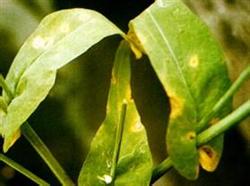
Early control of rapeseed sclerotinia and aphids is essential
According to recent surveys by regional forecasting stations, there is currently an abundant source of sclerotinia inoculum in rapeseed fields in our province, the disease resistance of the varieties is not strong, and the weather forecast indicates above-average rainfall during the rapeseed flowering period. Sclerotinia is expected to occur at a moderate level, with local areas along the south of the Jiangsu River expected to have heavier occurrence, and the severity will be slightly greater than last year. In addition, aphid populations in rapeseed in most areas are...
-
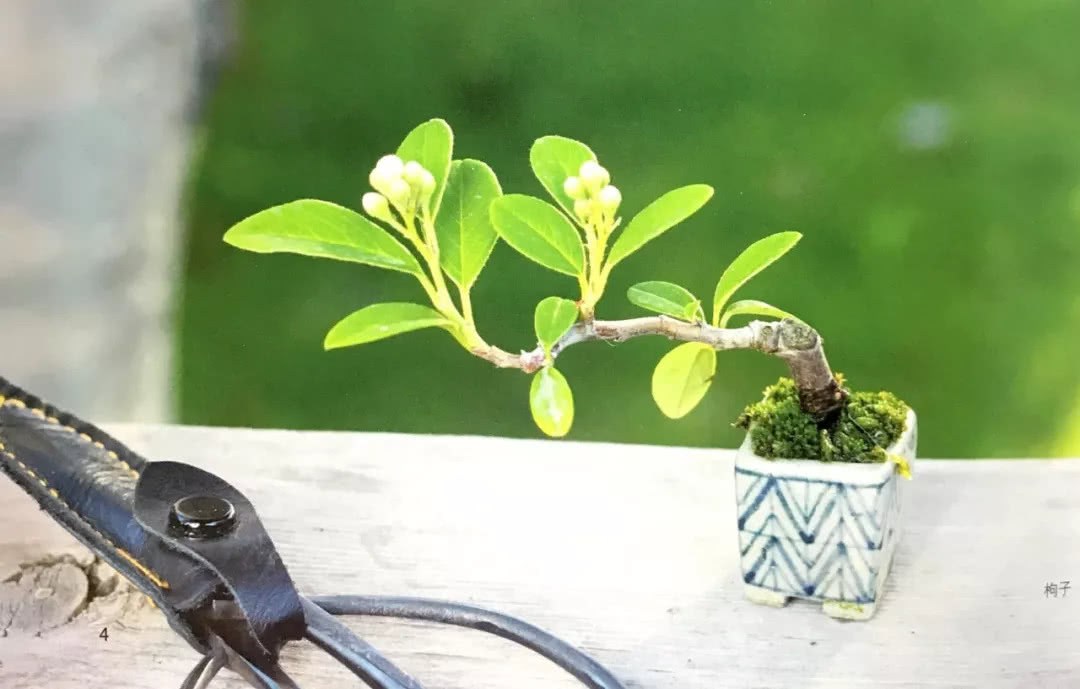
To grow a fingertip bonsai well, pruning is essential, so grab your scissors and head to the balcony.
To make your fingertip bonsai grow vigorously and keep its cute shape, you can prune some of the plant's branches. Oh, that is the "pruning" mentioned in the title. Cut the branches according to your design. Purpose one of pruning: ensure the plant's healthy growth...
-
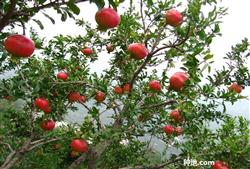
How to grow pomegranate trees for high yields? These cultivation techniques are essential
How can pomegranate trees be grown for high yields? Let me explain. Pomegranate flowers are beautiful and the fruit is colorful, juicy and delicious, with rich nutritional and medicinal value. Besides being eaten fresh, it can also be processed into juice, fruit wine and more. The high-yield cultivation techniques for short, densely planted, early-bearing pomegranates are described below: I. Orchard establishment 1. Deep plowing and land preparation. October 30...
-
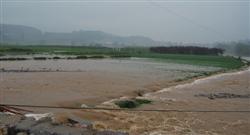
Severe Potassium Loss After Flooding Makes Potassium Supplementation Essential for Crops
In past years, in several provinces along the middle and lower reaches of the Yangtze River, potassium deficiency symptoms were commonly seen in crops such as cotton, rice, corn, soybeans, and peanuts. Apart from some soils being inherently low in potassium, this was largely related to the heavy rainfall during the crop growing season this year, which caused considerable potassium loss. In cotton, most fields showed potassium deficiency...
条件筛选