Essential Fertilizer Basics Every Beginner Gardener Must Know and the Secrets to Year-Round Blooming
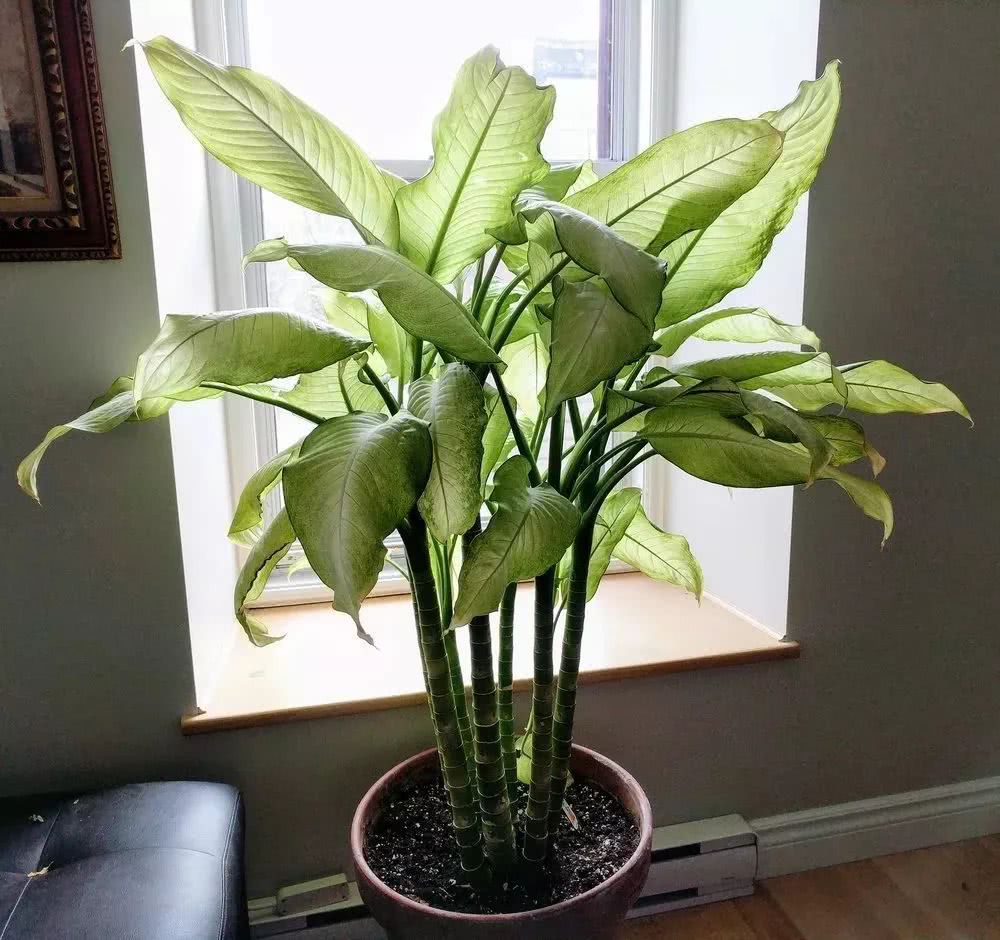
Most gardening friends do not know how to fertilize their plants, which makes it hard to get potted plants to bloom year after year. Plant growth will also be limited, and they become prone to fungal diseases and pest infestations. Below are some of the most practical fertilization tips.
To help plants grow better, the vast majority of plants need regular fertilization so they grow healthier and more beautiful and are encouraged to flower and fruit.
Most soils cannot provide the nutrients plants need for long-term growth, especially for plants grown in containers. As plants grow, they absorb nutrients from the soil, and that potting soil becomes very poor, so fertilizer needs to be replenished regularly.
Plant growth requires six main nutrients, including carbon, hydrogen and oxygen obtained from air and water, and the others are nitrogen, phosphorus and potassium.
1. Nitrogen fertilizer
In nature, nitrogen is usually in short supply, because plants have evolved to absorb as much nitrogen as possible. Even without absorbing other nutrients, as long as there is enough nitrogen, plants can grow more leaves, but they will not flower or fruit. If some plants are given too much nitrogen fertilizer, they will only grow leaves and not bloom.
2. Phosphorus fertilizer
Phosphorus can stimulate root growth, help plants produce more buds and set flower buds, improve vitality, and promote flowering and fruiting. Most plants grow in slightly acidic soil and need regular additions of phosphorus fertilizer or organic fertilizer.
3. Potassium fertilizer
Potassium can improve the overall vitality of the whole plant, help the plant produce more carbohydrates, and improve resistance to pests and diseases. It helps regulate metabolic activity, makes roots and stems grow stronger, and enhances the plant's resistance to pests and diseases.
4. Trace elements
Besides the three main nutrients above, other trace elements are also needed. For example, the most common one, calcium, can improve soil structure, promote stronger root growth, and prevent flowers from dropping their buds. Magnesium is the only metal component of chlorophyll and can help plants carry out photosynthesis better; a lack of magnesium will cause leaves to turn yellow.
Other trace elements include manganese, boron, copper and iron. If these trace elements are lacking, plants are prone to yellowing leaves or weak growth.
5. The difference between compound fertilizer and organic fertilizer
Before fertilizing, we also need to understand clearly what organic fertilizer is and what compound fertilizer is. Organic fertilizer is the most common kind, such as manure, compost and bone meal. These are fertilizers derived from natural mineral deposits, and they are organic fertilizers. Other organic fertilizers release their nutrients very slowly, but they release continuously.
Compound fertilizer, on the other hand, is the most common fertilizer in garden shops, a fertilizer made by artificial synthesis. It has good water-soluble fertility and volatilizes quickly. When using compound fertilizer, the concentration must not be too high, otherwise it will easily burn the plants.
Fertilizers such as compound fertilizer release very quickly, but they do not last long. If compound fertilizer is applied to the soil for a long time, it can also easily cause the soil to deteriorate.
Compound fertilizer has no effect on improving soil texture or long-term fertility, because synthetic fertilizers are highly water-soluble, and they also easily seep into streams, rivers, lakes or ponds. In ordinary practice, we should use more organic fertilizer and less compound fertilizer.
6. Foliar fertilizer
Many people do not know about foliar fertilizer. Foliar fertilizer is sprayed directly onto the leaf surface to help plants absorb nutrients, allowing them to take in nutrient elements in a short time and ensuring flowering and fruiting. For example, before flowers are about to form, appropriately applying a monopotassium phosphate solution directly to the leaves can promote blooming.
If your soil is alkaline, you need to regularly supplement with ferrous sulfate solution, which can nicely adjust the soil's acidity and alkalinity and prevent the soil from becoming alkaline.
So how do we choose the fertilizer that suits us? In ordinary situations, you only need to choose a balanced fertilizer, that is, a fertilizer with the same ratio of nitrogen, phosphorus and potassium, such as the common 5:5:5 compound fertilizer.
On the fertilizer package there is usually a label with three numbers. They represent the ratio of the three elements nitrogen, phosphorus and potassium. The above are the most practical fertilizer use tips. Did you learn them?