Early control of rapeseed sclerotinia and aphids is essential
According to recent surveys by regional forecasting stations, there is currently an abundant source of sclerotinia inoculum in rapeseed fields in our province, the disease resistance of the varieties is not strong, and the weather forecast indicates above-average rainfall during the rapeseed flowering period. Sclerotinia is expected to occur at a moderate level, with local areas along the south of the Jiangsu River expected to have heavier occurrence, and the severity will be slightly greater than last year. In addition, aphid populations in rapeseed in most areas are...
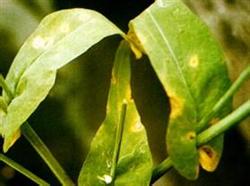
According to recent surveys by regional forecasting stations, there is currently an abundant source of sclerotinia inoculum in rapeseed fields in our province, the disease resistance of the varieties is not strong, and the weather forecast indicates above-average rainfall during the rapeseed flowering period. Sclerotinia is expected to occur at a moderate level, with local areas along the south of the Jiangsu River expected to have heavier occurrence, and the severity will be slightly greater than last year. In addition, aphid populations in rapeseed in most areas are slightly higher than usual. Proper control of rapeseed sclerotinia and aphids is a key measure to ensure rapeseed yield and quality, and pesticide application should be carried out during the flowering period in early to mid-April.
The full flowering stage of rapeseed (50% of plants with flowering primary branches, 80%-100% of plants with flowering main stems) is the critical period for controlling sclerotinia. Missing the optimal control period will significantly reduce efficacy, so the control strategy of "seizing the optimal period, taking proactive action, and applying pesticide comprehensively" should be adhered to. In areas with severe occurrence of sclerotinia and aphids, a targeted second application should be carried out 5-7 days after the first application to ensure control of the damage, and timely re-treatment should be done if rain occurs. To control sclerotinia, apply per mu 60 g of 50% procymidone wettable powder (Sumilex), or 100-150 g of 40% dimethachlon wettable powder, or 100 g of 50% iprodione wettable powder (Rovral), or 150-250 g of 50% carbendazim wettable powder, or 80-100 g of 50% thiophanate-methyl? sclerotinia wettable powder, or 100 g of 50% vinclozolin wettable powder as a spray. In areas where the sclerotinia pathogen has developed resistance to carbendazim, carbendazim should be discontinued. To control aphids, insecticides such as imidacloprid, pirimicarb, acetamiprid, and pymetrozine can be selected. Use sufficient water: for mist sprayers, use 20 kg of water per mu; for manual low-volume fine spraying, use 40-50 kg of water per mu. Aim the spray at the middle and lower parts of the rapeseed stems and the branches. At the same time, strengthen field management, promptly clear ditches and regulate soil moisture, and timely remove diseased, yellow, and old leaves from the field. Carry them out of the field for destruction to prevent re-infection by the pathogen and reduce the severity of the disease.