-

Essential Knowledge for Introducing Edible Fungi and Simple Methods for Preserving Mother Cultures
Simple Preservation of Edible Fungus Mother Cultures
-
Essential Techniques for Greenhouse Mushroom Cultivation Management
Mushrooms need water, but they are also afraid of water, because too much water will damage the mycelium and cause a reduction in mushroom yield. As for watering methods, we have already discussed earlier that they differ at each growth stage. In addition to watering methods, greenhouse mushroom management also requires attention to the following points: 1. Disease and pest prevention. Diseases and pests pose a great threat to mushrooms; once they cause damage, the consequences are endless, and some cases even result in total crop failure. The key points of disease and pest prevention are: sterilizing against mites before the compost is brought into the growing room, emphasizing secondary fermentation, disinfecting and insect-proofing the mushroom house in advance, fumigating the spawn with aluminum phosphide, and treating the casing soil
-
Detailed Guide to Straw Mushroom Cultivation: Planting Methods and Management Essentials
Straw mushroom cultivation originated in southern China and has a cultivation history of more than 200 years. The straw mushroom not only has plump, tender, crisp and smooth flesh and a delicious taste, but also has very high nutritional value, containing rich protein, essential amino acids for the human body, and vitamin C. Eating straw mushrooms regularly can enhance the human body's immunity to diseases, and also has certain effects in fighting cancer and treating disease, lowering plasma cholesterol, and lowering blood pressure; it is also a good food for diabetic patients, a food that is both tasty and health-promoting, and is extremely popular in domestic and international markets. Cultivating straw mushrooms
-
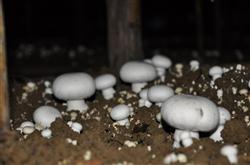
How to water button mushrooms? Mastering the five key points of observation is essential
First, observe the weather conditions. In sunny and dry weather or when the temperature is suitable, water more; in rainy weather or when the temperature is too high or too low, water less or stop watering. Second, observe the mushroom house conditions. Mushroom houses with serious air leakage and poor insulation should be watered more and ventilated less; mushroom houses with little air leakage and strong moisture retention should be watered less and ventilated more...
条件筛选