-

A Detailed Guide to Calla Lily Propagation Methods, Easy for Beginners Too
Propagation is mainly by offset division. After the plant enters its dormant period, peel off the small corms around the tuber and plant them separately. It can also be propagated by seed, sowing the seeds in pots as soon as they mature. The optimum germination temperature is around 20°C. Calla lilies are usually planted as corms after autumn. For bed planting, the row spacing is 25cm and the plant spacing is 10cm
-
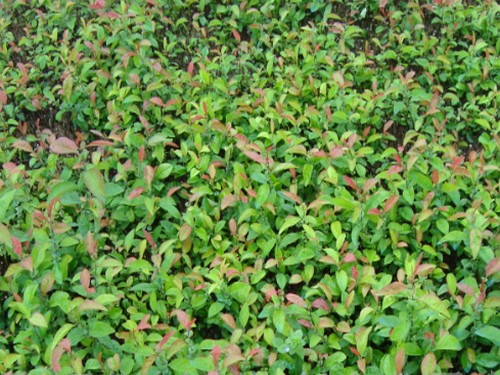
Detailed Guide to Propagating Flowering Quince: Easy to Learn at a Glance
Flowering quince is commonly propagated by division and cuttings; sowing and layering are also possible but rarely used. Best propagation time: spring, summer, or autumn, with spring being the best. 1. Seed propagation: Sowing flowering quince can produce large quantities of uniform seedlings, but it is difficult to maintain the original cultivar characteristics.
-
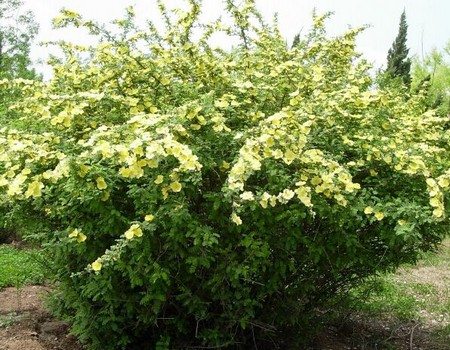
What are the propagation methods for Rosa xanthina? A guide to easy propagation
Rosa xanthina is an important ornamental flowering shrub in northern China in late spring and early summer. When in bloom, it is a mass of golden yellow. Also known as yellow rose, the name also refers to the flowers of this plant. The blossoms are vivid and eye-catching, and the flowering period is fairly long, making it suitable for garden viewing, group planting, and flower hedges. The plant has a graceful form, and when in full bloom, each golden-yellow flower set against the green leaves
-
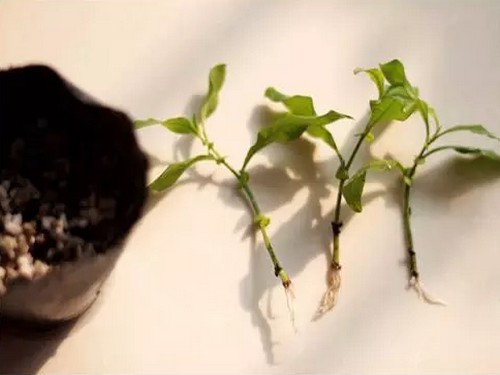
A detailed guide to blue plumbago (Plumbago auriculata) cuttings: easy to learn
You have a blue plumbago yourself and want to propagate it by cuttings. You cut off a piece of stem, remove the leaves from the lower half, and put it in water. Then, a few days later, the bottom has turned black, and the leaves at the top have wilted. Then you cut off the blackened bottom part and keep it in water. Then, a few days pass
-
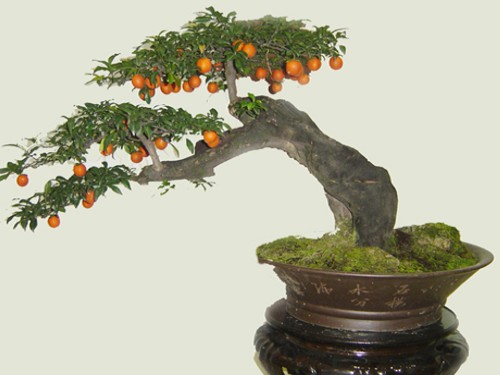
Detailed Guide to Diospyros cathayensis Seed Sowing: Master the Key Points for Easy Seedling Propagation
Diospyros cathayensis is distributed and cultivated in East China, South China and Central China. Market sales and exhibitions are dominated by Diospyros cathayensis from Sichuan and Hubei. Sichuan Diospyros cathayensis has small leaves and abundant fruit; as long as it reaches the cultivation age, small stumps (small and miniature bonsai) can bear fruit even in pots
-
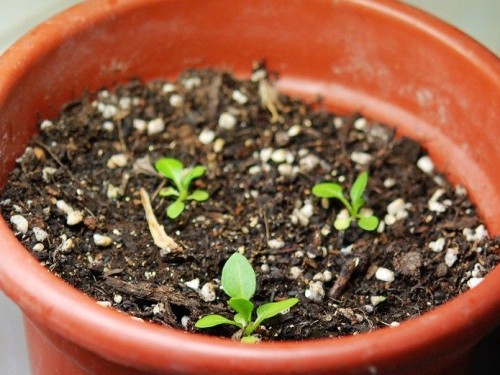
A detailed guide to sowing blue-eyed daisy (blue marguerite) in pots, easy enough for beginners to learn
I am especially fond of this kind of small herbaceous flower; today I learned that it also has a beautiful name, blue-eyed daisy. Blue-eyed daisy is also known as African daisy and large-flowered blue-eyed daisy. It is a semi-shrub or perennial herbaceous plant with a rhizome, with solitary flower heads, hairy involucres, white ray florets with pale purple undersides, and blue-purple disk centers. The blue-eyed daisy's achenes have ribbed grooves
-

How to propagate and grow roses from bud cuttings? The method is easy to understand with illustrations
Roses are heavily pruned before winter, and the following spring a large number of new buds sprout up and down the branches. To make the plant shape symmetrical, concentrate nutrients, and produce abundant flowers, some of these new buds must be thinned out. These thinned spring buds, used as cutting material, have strong vitality and root easily, and after rooting they grow vigorously. It is a simple and easy propagation method
-

Illustrated guide to the cleft grafting technique for bonsai, with detailed steps that are easy to understand at a glance
Grafting is the artificial joining of tissues such as a branch or bud from one plant onto a suitable part of another plant, such as a branch, trunk or root, so that they heal and grow together to form a new plant. This branch or bud is called the scion, and the plant that receives the scion is called the rootstock. Grafting flowers and trees places great emphasis on technique
-
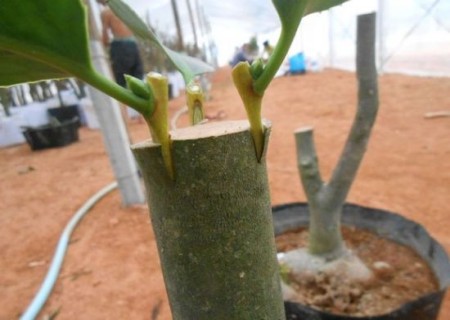
Illustrated guide to the bark grafting technique for bonsai: the steps are easy to understand at a glance
Bark grafting is carried out when the phloem of the rootstock peels easily; the rootstock should preferably be somewhat thicker than the scion. The scion should be cut longer to increase the contact surface. Its advantages are a high survival rate; its disadvantages are that grafting is slow, and after the graft takes, the new shoots need to be supported and tied to prevent breakage. Mulberry
-
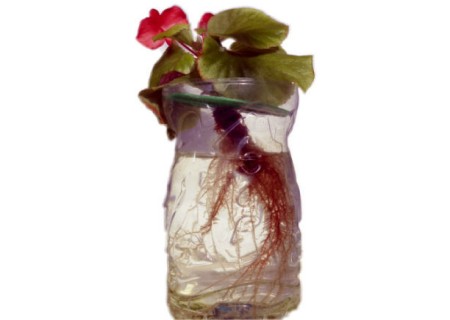
A detailed guide to the water propagation method for wax begonias, easy enough for beginners to learn
In traditional production, wax begonias (Begonia × semperflorens-cultorum) are usually grown as perennial greenhouse pot flowers, but in recent years people have liked to use them in flower beds and as indoor potted plants, with very good results. Besides soil cultivation, wax begonias can actually also be propagated by water cuttings. But
条件筛选