Detailed Guide to Propagating Flowering Quince: Easy to Learn at a Glance
Flowering quince is commonly propagated by division and cuttings; sowing and layering are also possible but rarely used. Best propagation time: spring, summer, or autumn, with spring being the best.
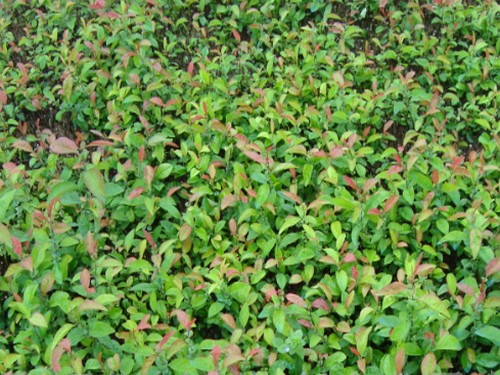
1. Seed propagation
Sowing flowering quince can produce large quantities of uniform seedlings, but it is difficult to maintain the original cultivar characteristics.
2. Division propagation
Flowering quince has strong tillering ability and can be propagated by division in early spring. After the soil thaws and the weather warms up, dig out the entire clump, shake off the soil from the roots, then use a sharp knife to split it from the middle of the clump, finally dividing it into small clumps each with 2 to 4 branches and roots at the base. Cut off the branches damaged during splitting at the root crown, and shorten the rest to about 10 cm. Plant them in a prepared seedbed, strengthen management, and they can be ready for transplanting after 1 to 2 years.
Carry out in spring and autumn. After digging out the mother plant, according to the growth of the roots, use a sharp knife to divide, each plant with one stem is sufficient, then plant separately, water thoroughly, place in a shady area for care, and generally they root easily. After surviving, carry out normal management and care.
3. Cutting propagation
Flowering quince cutting propagation can be carried out in spring, summer, and autumn, with summer being more suitable. Select 2-year-old robust branches, cut them into 14 to 18 cm long sections as cuttings, remove the lower leaves of the cuttings, then insert them into the cutting bed at a depth of about 1/2 of the cutting, water thoroughly, place in a shady area for care, keep the cutting bed soil moist, and after about 1 month they will root and can be transplanted.
This can be done from June to July. Select relatively thick new branches, cut them into 12 cm to 15 cm long cuttings, and insert them into a medium such as river sand or vermiculite. For mass propagation, choose a well-drained sandy loam area to make a bed and insert directly into the soil. After cutting, shade and water immediately, keep the soil surface moist, and new roots will grow in about 40 days. After rooting, reduce misting and gradually extend the light period, finally remove the shade net and strengthen hardening. In cold winter areas, cuttings planted in the open ground need to be covered with grass or other cold protection measures to protect them through winter. Transplant in the following spring. Cuttings in pure sand or vermiculite should be transplanted promptly after rooting, otherwise the new roots will grow too long, and the cuttings will lack nutrients for a long time, which is detrimental to transplanting and growth.
4. Layering propagation
Carry out from late March to late September. Select long and strong branches and press them into the soil, secure the branches with U-shaped wire, then cover with 8 to 10 cm of soil and firm the covering soil. After about a month and a half they will root, and after about two more months cut the layered branch from the mother plant and plant it separately.
For the management of potted flowering quince, because the root system is limited by the pot, attention should be paid to water and fertilizer management, otherwise growth will be affected and flowering will be sparse. Generally, apply organic fertilizer once each year in late autumn or early winter, and apply liquid fertilizer once after flowering in spring. Topdressing should not be too concentrated; well-rotted cake fertilizer water, etc., can be applied. Watering should be done to keep the soil moist.