-
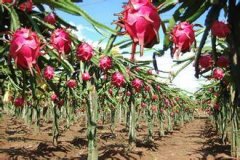
What are the techniques and tips for growing dragon fruit? A detailed guide
To grow dragon fruit, we first need to understand its characteristics and growing environment. Because the dragon fruit's root system is shallow and spreads flat over the soil surface, its soil organic matter should be supplemented by fully applying low-nitrogen, coarse organic fertilizer when clearing the field and preparing the land, in order to raise the soil organic matter content of the top 20 cm
-

What Is Organic Rice? A Detailed Guide to Organic Rice Cultivation and Fertilization Techniques
Rice produced from varieties recommended by the agricultural improvement station, grown without the use of chemical fertilizers, chemically synthesized pesticides, herbicides, growth regulators, and the like during the cultivation process, is called organic rice. So how exactly do you grow it? If you want to eat truly organic rice, growing it yourself is best.
-
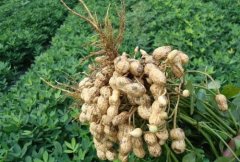
Detailed Guide to Perennial Peanut Planting Methods and Timing
Cultivation and Utilization of Perennial Peanut: Do you know about perennial peanut? If you want to grow perennial peanut, you first need to understand it and know its growth habits and characteristics, which will be very useful for planting. Let's take a look together below. Along
-
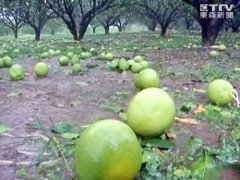
How to Make Compost from Fallen Pomelo Fruit? A Detailed Guide to Production and Use
Production and Use of Compost from Fallen Pomelo Fruit. In the Hualien area, the transition between summer and autumn is often hit by typhoons, and July and August coincide with the ripening period of pomelo fruit, which frequently causes enormous losses for fruit growers. Large quantities of fallen pomelo fruit have a huge impact on the environmental hygiene of orchards; they not only
-

Can you raise a baby mantis yourself? A detailed guide to mantis rearing methods
Using fruit flies to rear baby mantises - have you ever heard of this method of rearing mantises? If you want to learn this ecological rearing method, then let's take a look together. Predatory natural enemies are part of the predatory food chain, such as the mantis stalking the cicada while the oriole watches from behind.
-
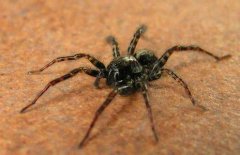
What Are Mite Pests? A Detailed Guide to Scientific Control Methods
What applications of predatory mites in agricultural pest control do you know about? What are the characteristics of predatory mites in agricultural pest control? If you want to know, let us take a look together. Biological control emphasizes using the predatory capacity of natural enemies to suppress pests
-
A Detailed Guide to Integrated Pest and Disease Control Methods for Crops
Have you ever heard of using natural pesticides to control plant diseases? Would you like to learn about them? Let's take a look below. Natural pesticides that can control plant diseases can be divided, according to the source of their ingredients, into four categories: plant-based ingredients, mineral-based ingredients, plant-plus-mineral ingredients, and others. First
-
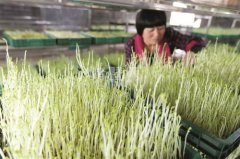
How to grow sprouts at home? A detailed guide to home growing methods
Sprouts can be grown in several ways; some are suited to water culture, while others require soil culture. First, let's talk about water-cultured sprouts. Among the sprouts suited to water culture, the most standard and most popular are alfalfa sprouts and mung bean sprouts; in addition, soybeans and black beans can also be grown without soil, as long as
-
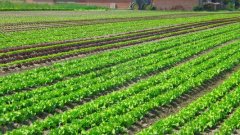
A Detailed Guide to Vegetable Growing Techniques and Practical Methods
If you are a first-time vegetable grower, it is best to grow wild vegetables. So-called wild vegetables include such plants as Madeira vine, Gynura bicolor, sweet potato leaves, ginseng herb, aloe, Taiwan angelica, and shungiku. Wild vegetables are easy to grow and high in energy, but they have a distinctive taste of their own, so insects dislike coming near them, and they can grow well without pesticides
-
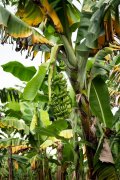
How to Identify Panama Disease in Bananas: A Detailed Guide to Symptom Recognition
The bananas commonly seen in supermarkets are also prone to the disease known as "Panama disease," which has earned the nickname of banana cancer. Panama disease has no cure, severely impacting banana farmers' income and also affecting the stability of supply for Taiwan bananas sold to Japan. At one point, Taiwan's banana planting area dropped from 50,000 hectares to 9,000 hectares. Let's take a look below.
条件筛选