-
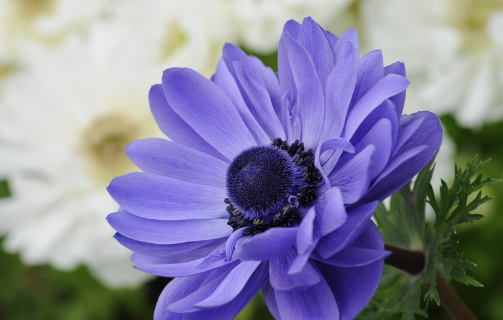
Anemone Growing Precautions and Daily Care Tips
Pests and Diseases Anemones can suffer from pests and diseases. The main diseases are rot, damping-off, gray mold, and powdery mildew, all of which are quite serious and require timely control. The main pests are aphids and cutworms, which can be sprayed with commonly used insecticides. Seed Collection Anemones can be grown from seed, and the seeds are generally sown as soon as they are collected.
-
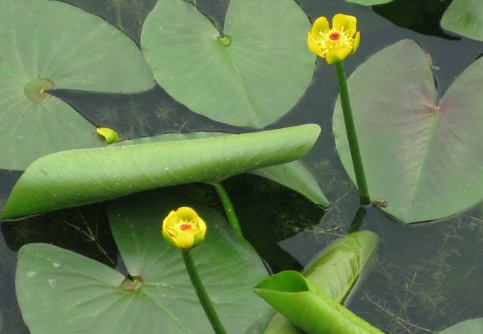
Cultivation methods and daily care tips for Nymphoides peltata
1. Substrate: Ordinary pond mud can be used as the substrate for cultivating Nymphoides peltata. It should not be too fertile, otherwise the branches and leaves will grow too densely and flowering will be affected. 2. Light: Normally ensure sufficient light for Nymphoides peltata. It can be placed in the courtyard for care and will grow well even without shading. 3. Water: Nymphoides peltata has a relatively high water requirement.
-
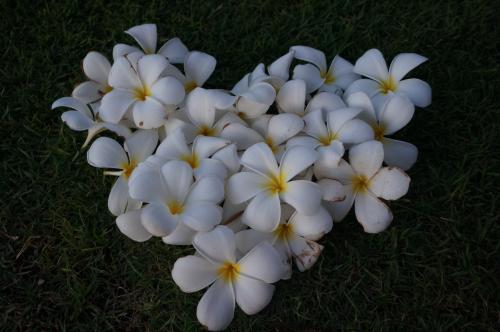
Plumeria Planting Methods and Detailed Daily Care Tips
Method One - Cuttings. Plumeria cuttings have a very high survival rate. Generally, select thick, sturdy branches, cut them into several segments, let the white sap that flows out of the branches dry, then insert them into the soil. During this period, keep the soil moist, and finally just wait for the plumeria to take root.
-
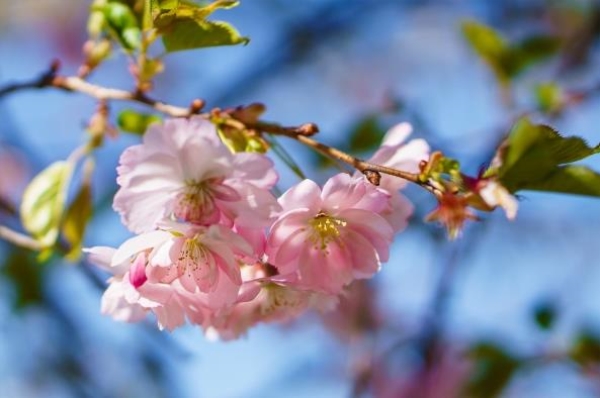
How to Grow Cherry Blossoms and Key Points for Daily Care
When growing cherry blossoms in pots, nutrients must be replenished in time, with fertilizer applied about twice a year, once after the flowers fall and once as winter fertilizer. The soil should also be kept moist with frequent watering, roughly once every 8 to 10 days, but make sure there is no standing water at the bottom. A layer of grass can be spread over the soil surface to reduce water evaporation.
-

-
-
-
-
-
条件筛选