Cultivation methods and daily care tips for Nymphoides peltata
1. Substrate: Ordinary pond mud can be used as the substrate for cultivating Nymphoides peltata. It should not be too fertile, otherwise the branches and leaves will grow too densely and flowering will be affected. 2. Light: Normally ensure sufficient light for Nymphoides peltata. It can be placed in the courtyard for care and will grow well even without shading. 3. Water: Nymphoides peltata has a relatively high water requirement.
1. Substrate
Ordinary pond mud can be used as the substrate for cultivating Nymphoides peltata. It should not be too fertile, otherwise the branches and leaves will grow too densely and flowering will be affected.
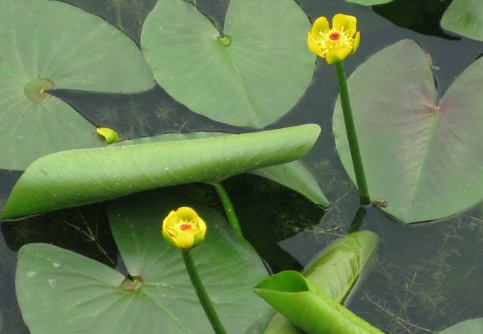
2. Light
Normally ensure sufficient light for Nymphoides peltata. It can be placed in the courtyard for care and will grow well even without shading.
3. Water
Nymphoides peltata has a relatively high water requirement and must not be allowed to dry out, otherwise the leaves will wither. In winter, water should also be kept in the pot, and it can simply be placed in a sunny spot.
Cultivation methods for Nymphoides peltata
Nymphoides peltata is a shallow-water plant in the Gentianaceae family, genus Nymphoides. The stems are slender, soft, and much branched, creeping along the surface, rooting at the nodes, floating on the water surface or growing in the mud. The leaves of Nymphoides peltata resemble those of a water lily, small and delicate, and the bright yellow flowers rise above the water surface. It produces many flowers over a long blooming period, making it an excellent choice for embellishing water features in courtyards.Nymphoides peltata generally turns green again from March to May, blooms and sets fruit from May to October, and the fruits mature from September to October. The plant blooms and fruits simultaneously, and by the time of frost, the above-water parts die back. In warm regions, the green period lasts about 240 days, and the flowering and fruiting period lasts as long as about 150 days.
The reproductive capacity and regenerative ability of Nymphoides peltata are quite strong. It reproduces both by seeds and by rhizome buds. After the fruits mature, they split open on their own. The seeds are dispersed by water currents; the rhizomes extend diagonally in the mud at a depth of about 10 cm, producing roots and buds at each node.
After overwintering, the rhizomes or creeping stems break apart, and the buds independently develop and grow into new plants. Its creeping stems and rhizomes can easily survive when placed in water or buried in mud. Its regenerative ability is also very strong; it can still regenerate after being harvested 3-4 times during the growing season.
For potted Nymphoides peltata, depending on the size of the pot and how crowded the plants are, the pot should be divided once every 2-3 years. In winter, water should be kept in the pot, and it can overwinter if placed in a wind-sheltered, sunny spot. When planted in a pond, a water depth of about 40 cm is more suitable, while for pot cultivation a water depth of about 10 cm is sufficient. Use ordinary pond mud as the substrate, and it should not be too fertile, otherwise the branches and leaves will be lush but flowering will be sparse. If the leaves turn yellow, a small amount of compound fertilizer or fertilizer tablets can be buried in the pot. Normally maintain sufficient sunlight, and the pot must not lack water, otherwise it will also easily dry up.
Nymphoides peltata is relatively easy to manage, but aphids should be controlled during the growing period. This article is from: Yuhuagu Flower Network
Brief description of cultivation methods for Nymphoides peltata
Nymphoides peltata is a shallow-water plant in the Gentianaceae family, genus Nymphoides. The stems are slender, soft, and much branched, creeping along the surface, rooting at the nodes, floating on the water surface or growing in the mud. The leaves of Nymphoides peltata resemble those of a water lily, small and delicate, and the bright yellow flowers rise above the water surface. It produces many flowers over a long blooming period, making it an excellent choice for embellishing water features in courtyards.Nymphoides peltata generally turns green again from March to May, blooms and sets fruit from May to October, and the fruits mature from September to October. The plant blooms and fruits simultaneously, and by the time of frost, the above-water parts die back. In warm regions, the green period lasts about 240 days, and the flowering and fruiting period lasts as long as about 150 days.
The reproductive capacity and regenerative ability of Nymphoides peltata are quite strong. It reproduces both by seeds and by rhizome buds. After the fruits mature, they split open on their own. The seeds are dispersed by water currents; the rhizomes extend diagonally in the mud at a depth of about 10 cm, producing roots and buds at each node.
After overwintering, the rhizomes or creeping stems break apart, and the buds independently develop and grow into new plants. Its creeping stems and rhizomes can easily survive when placed in water or buried in mud. Its regenerative ability is also very strong; it can still regenerate after being harvested 3-4 times during the growing season.
For potted Nymphoides peltata, depending on the size of the pot and how crowded the plants are, the pot should be divided once every 2-3 years. In winter, water should be kept in the pot, and it can overwinter if placed in a wind-sheltered, sunny spot. When planted in a pond, a water depth of about 40 cm is more suitable, while for pot cultivation a water depth of about 10 cm is sufficient. Use ordinary pond mud as the substrate, and it should not be too fertile, otherwise the branches and leaves will be lush but flowering will be sparse. If the leaves turn yellow, a small amount of compound fertilizer or fertilizer tablets can be buried in the pot. Normally maintain sufficient sunlight, and the pot must not lack water, otherwise it will also easily dry up. Nymphoides peltata is relatively easy to manage, but aphids should be controlled during the growing period.
Through the introduction in this article, I hope everyone can gain something from it!