Gardenia Planting Methods and Daily Care Tips
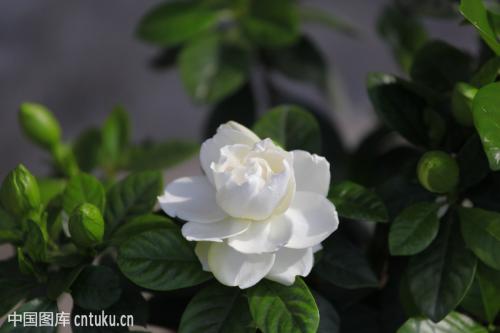
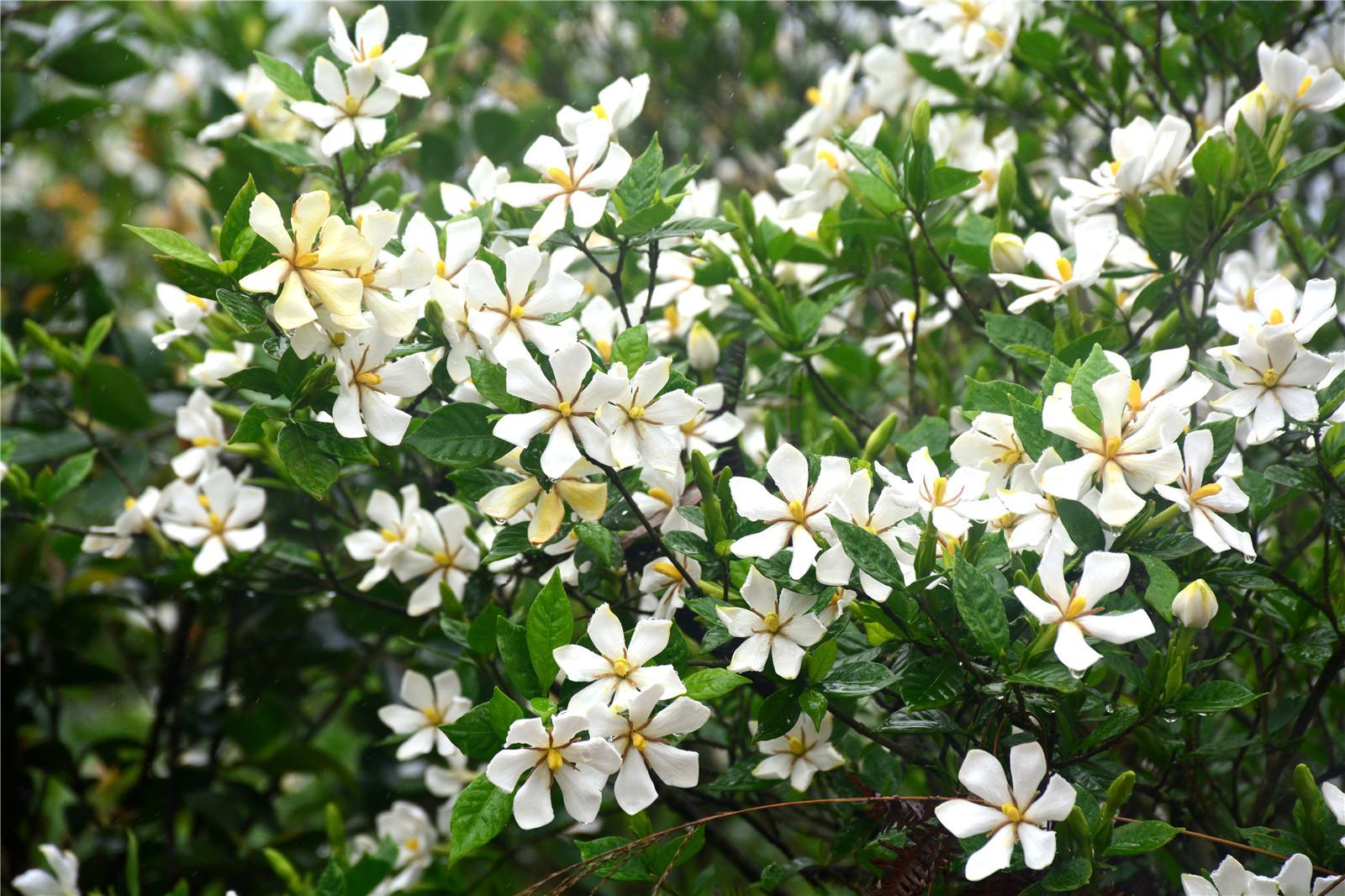
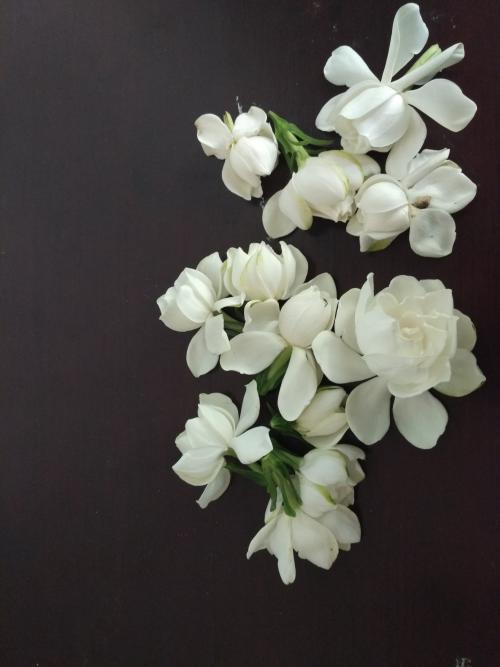
Gardenia (scientific name: Gardenia jasminoides), also known as zhizi or yellow gardenia, is an evergreen shrub of the genus Gardenia in the family Rubiaceae, class Dicotyledoneae. It has luxuriant branches and leaves, with foliage that stays green all year round and fragrant flowers, making it an important ornamental garden plant. The leaves are simple, opposite or in whorls of three, obovate, leathery, emerald green and glossy. The berry is oval, yellow or orange. Besides its ornamental value, its flowers, fruit, leaves and roots can be used as medicine, with effects of purging fire and relieving restlessness, clearing heat and promoting diuresis, and cooling the blood and detoxifying. The flowers can be used as a spice for tea, and the fruit can reduce inflammation and relieve fever. It is an excellent fragrant flowering plant. Gardenia prefers an environment with ample light and good ventilation, but dislikes intense direct sunlight. It should be planted in loose, fertile, well-drained acidic soil. It can be propagated by cuttings, layering, division or sowing.
Planting Methods
To propagate gardenia in northern regions, cuttings are generally used from July to August. A copper basin is usually used, with an inner diameter of 50CM and a height of 30CM being more suitable; alternatively, a soil trench can be dug in the ground, generally with length, width and height of 120M/80CM/20CM respectively, more suitable, with wooden frames or glass installed on all four sides rising 20CM above the ground, and sand or small stones laid 15CM deep in the cutting bed, watered and set aside for use.
Select thick, strong two-year-old branches as cuttings. For cutting, use scissors to make the cut at about 1CM from the bottom of the chosen branch near a tender bud, count upward from the cut and keep three to four buds, cut off the tip of the branch, then cut off all the leaves of the two lower buds, and cut off half of the leaves of the upper buds to reduce water evaporation.
The cuttings should be inserted into the cutting bed immediately after preparation. The spacing between cuttings should be about 10CM, and the depth should allow the second tender bud on the lower part of the cutting to be exposed. After cutting, water once with a fine-nozzle watering can, watering thoroughly, then cover the cutting bed with plastic film or glass, with a shading part above as well. The temperature of the cutting bed should be kept between 20-50 degrees, and the relative humidity should be kept at around 90 percent. When the temperature of the cutting bed is higher than 25 degrees, water should be sprayed immediately to cool it down. After cutting, the cuttings can generally take root in 15 days. After two months, when the new shoots have grown to about 10CM, they can be divided and potted. Seedlings can be potted using ordinary soil for cultivation without fertilization. In the second year, transplant them into chrysanthemum-pattern pots. With good management, they can bloom in 2 years.
In addition, propagation by layering is also relatively simple. In early June, choose a relatively small branch, use a knife to score the part that can be buried in the mother plant's pot, then bury the scored part in the soil. After two to three months it can take root and can be separated from the mother plant.
The ideal soil for growing gardenia in the north is the weathered soil from Xishan or Baihua Mountain. You can also use three parts of ordinary prepared potting soil, with about one gram of sulfur powder mixed into each kilogram of potting soil. The gardenia pot also needs a layer of pea-sized small stones and broad-bean-sized grass peat granules at the bottom.
When growing gardenia in the north, the pot should be changed once every 2 years, and repotting should be done when the flowers fade. When repotting, first cover the drainage hole of the new pot with a tile, put in small stones, spread a layer of grass peat granules about 2CM thick, then take the plant out of the old pot, use a small-toothed hook to remove old soil and old roots, place the gardenia upright in the new pot, then spread new potting soil around the plant, firm it down, water once, and then it can be managed as usual.
When growing gardenia in the north, you can generally move the pot outdoors in late April when the temperature stabilizes at 20 degrees. Gardenia likes moisture and fertile soil, and its leaves fear direct sunlight, so when placing it outdoors, water it once first, preferably in a shady place. After 3 days, when the bottom of the pot looks dry, water again, mixed with fermented soybean cake alum fertilizer water. After that, water with this kind of fertilizer water once every 15 days. One week after watering, loosen the soil and pick out the fertilizer residue. In mid-September, apply the last fertilization of the year, which can be mixed with about 10 grams of ferrous sulfate. After fertilizing, the gardenia enters dormancy and does not need fertilization.
In northern spring, there is a lot of wind and sand and the weather is relatively dry. Every morning and evening, water should be sprayed over the gardenia growing area to keep the air humidity at around 80 percent. The potting soil should be half wet and half dry. As the temperature rises and the gardenia grows faster, gradually increase the amount of water, always keeping the soil moist. In summer, water as little as possible in the morning, and around 2 in the afternoon water thoroughly. In winter, just keep the bottom of the pot moist. The water for watering gardenia is best rainwater or river water; if using tap water, it is best to let it stand for a few days.
Gardenia likes shady places. Use a bamboo curtain to shade it: pull it closed at eight in the morning and open it at five in the evening, which can prevent the leaves from being scorched by light. Around October, when the temperature drops below 20 degrees, move the gardenia indoors and keep the temperature at around 10 degrees.
Gardenia planted in alkaline soil is prone to leaf chlorosis, which can be treated with ferrous sulfate. The best way to prevent this disease is to cultivate it in weakly acidic soil and reduce the content of calcium and magnesium salts in tap water. In summer, gardenia is prone to rot; once found, it should be scraped off immediately and the affected area coated with a thiram kerosene solution. Scale insects often grow on gardenia leaves and can be treated with diluted malathion solution.