-
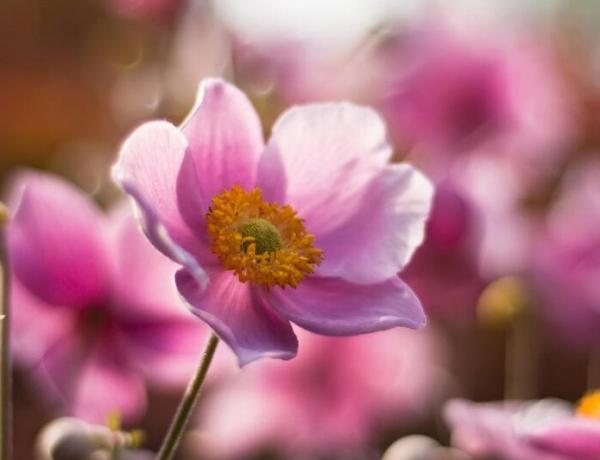
How to grow corn poppies? Mastering the daily care methods is key
Daily care methods for corn poppies
-
-
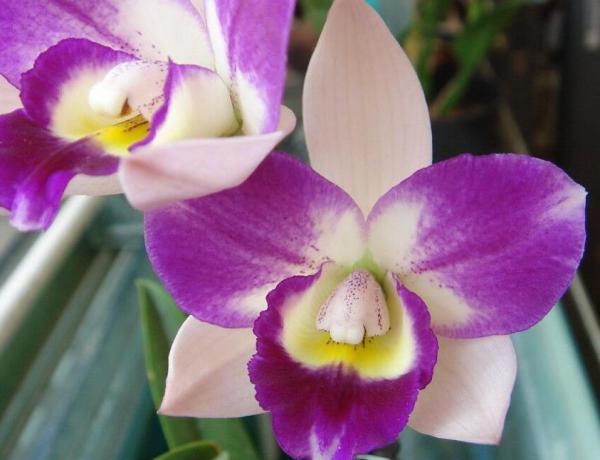
Cattleya Division Propagation Methods and Key Points for Daily Care
Cattleya Division Propagation and Daily Care
-
-

Hydroponic Tulip Cultivation Methods and Key Points of Daily Management
At present, the hydroponic tulip varieties on the market mainly come from the Netherlands, Taiwan, China, and other places, and they all share common key points in cultivation and management. The first is the selection of bulbs. Generally, imported hydroponic tulip bulbs are vernalized according to the needs of the flowering period. For example, Dutch hydroponic tulips have different code numbers such as "A", "C", and "G". For instance, "A" is a variety that blooms during the Spring Festival, while "G" is a variety that blooms during New Year's Day. Therefore, varieties should be selected according to the needs of the flowering period, so as to ensure
-
Oleander Management Methods and Daily Care Key Points
Oleander, also known as Bannianhong or Liuyetao, originated in Iran and India. Because it is evergreen and does not shed its leaves, has double-petaled fragrant flowers, comes in many colors including red, yellow and white, is easy to propagate, simple to manage, has a long flowering period and a well-formed crown, it is loved by people. It can be cultivated in both southern and northern China, whether in pots or in the ground, and is a commonly planted flower in courtyards and flower beds; it is also associated with good fortune. However, in oleander management, three points must be handled well: it must be pruned at the right time. The top branches of oleander have the characteristic of one branch dividing into three, and it can be pruned and shaped as needed. For example
-
Cultivation Techniques and Daily Care Methods for Oleander
Oleander (Nerium oleander), also known as willow-leaf peach or half-year red. Belongs to the family Apocynaceae, genus Nerium. It gets its name because its flowers resemble peaches and its leaves resemble bamboo. The flower colors are gorgeous - either pink, like peach blossoms, full and vivid; or pure white, bright and clean as snow, sparkling and striking. It has been appreciated by people since ancient times. Cultivated everywhere, it is an excellent flowering shrub that blooms in summer and autumn and can resist pollution. (I) Morphological Characteristics and Varieties. Evergreen large shrub, plant height can reach 4 m to 5 m, crown spreading, branches upright and smooth, clumping
-
Cultivation Methods and Daily Management Tips for the Yew
The yew is an evergreen tree with reddish-brown bark; shallow longitudinal fissures, leaves linear and slightly curved in a sickle shape, dark green, with two grayish-green stomatal bands. Dioecious, seeds flat and ovate, cones solitary, flowering from March to April, seeds ripening in November. Yews are mostly propagated from seed. After the seeds ripen in November, they can be harvested; then the fleshy seed coat is washed clean and dried, and immediately stratified in moist sand and buried in a shaded, dry place, covered with plastic film and straw mats. In summer and autumn, the seeds should be turned twice a month, and by early March of the following year they can be sown and raised as seedlings. Seedbed
-
Spider Plant Care Methods and Daily Maintenance Tips
Spider plant is a perennial evergreen herbaceous flowering plant with a rosette root system. It has diverse forms and is also highly shade-tolerant and easy to manage. It is often used as a hanging potted plant for indoor decoration or garden landscaping. Its management should master the following points: 1. Temperature regulation. Spider plant prefers a warm and humid climate and is not cold-tolerant. It grows fastest at 20-24°C, stops growing above 30°C, and its leaves tend to turn yellow and dry at the tips. Therefore, in summer, take measures to prevent heat and lower the temperature, and pay attention to ventilation. In winter, it should be cultivated in a greenhouse or indoor shelter, with an overwintering temperature of 10°C being suitable, and not lower than 5°C. 2. Light
-
Dendrobium Orchid Home Growing Tips and Daily Care Methods
Dendrobium orchids, along with Cattleya, Phalaenopsis and Vanda, are ranked as the four major tropical ornamental orchid groups, and are one of the largest genera in the Orchidaceae family, with 1500-1600 native species, of which about 60 are found in China. Dendrobiums are divided into two major categories, deciduous dendrobiums and evergreen dendrobiums, according to their biological characteristics and different ecological requirements. Deciduous dendrobiums send up flower spikes from the upper part of the pseudobulb each year, and after flowering new shoots grow from the base and develop into new pseudobulbs, with the leaves falling at the end of the growing period or in the spring of the following year. Evergreen dendrobiums
条件筛选