-

How to Grow Chinese Sweet Plum (Sageretia thea)? A Full Breakdown of the Latest Planting Techniques
Sageretia thea is certainly no stranger to bonsai enthusiasts. As one of the Seven Sages of bonsai, Zhang Yongfa praised it in his poem: red buds covering the tree in spring, green shade like a canopy in summer, tiny flowers with a faint fragrance in autumn, and iron-hard gnarled branches in winter. The roots and trunk of Sageretia thea are peculiar, and as a whole it appears vigorous
-
How to prune a Chinese sweet plum bonsai? A full breakdown of the latest methods
For bonsai, its shape is its very core and heart. The whole point of a bonsai existing is to be viewed, so if its appearance grows out and becomes unattractive, it needs to be pruned. If you want to shape a Chinese sweet plum (Sageretia thea) bonsai that has already grown into form, you need to do regular pruning. As for
-
When to Transplant Chinese Sweet Plum (Sageretia thea)? A Detailed Guide to the Latest Transplanting Times
The material for Chinese sweet plum (Sageretia thea) bonsai can be obtained by growing seedlings through sowing, cuttings, and other methods, since it is difficult to obtain wild-collected stumps in the wild nowadays. And the practice of obtaining bonsai material by growing seedlings is also the most important means. Because Chinese sweet plum likes
-
How to bag a Chinese plum bonsai in winter? Teach you the correct method
Bagging potted plants is a common management practice in the care process. The main purpose of bagging is to keep warm and retain moisture. It is generally a very necessary care measure taken when temperatures are low to prevent the plant from being frostbitten or frozen to death. This is mainly
-
How Many Years Until Wushan Crisp Plum Bears Fruit? A Complete Guide to Ripening, Harvest Time and Market Prices
Wushan crisp plum, also known as Wushan large plum or crisp plum, has been cultivated since the Tang and Song dynasties, and its products are sold far to Sichuan, Guizhou, Hubei and other places. So when does the Wushan crisp plum ripen for harvest? And roughly how much does it cost per jin on the market? According to Rosaceae data, the Wushan crisp plum
-
Chinese Plum Yew (Cephalotaxus fortunei) Price, Benefits and Effects, and How It Differs from Yew
Chinese plum yew (Cephalotaxus fortunei), a traditional Chinese medicine name, also known as Tibetan yew, is the seed, root, or branches and leaves of the plant Cephalotaxus fortunei of the family Cephalotaxaceae. The bark is harvested throughout the year, dried in the sun and used raw; the seeds are picked in autumn; the roots, branches and leaves can be collected in all four seasons, and are used raw or stir-fried until cooked. So how much is Chinese plum yew? What
-
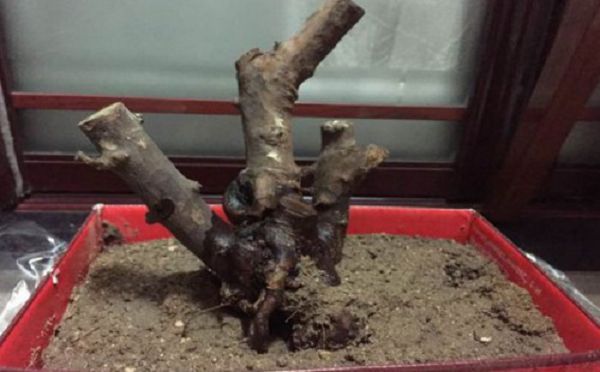
When is the best time to transplant Chinese sweet plum (Sageretia thea)?
When to transplant Chinese sweet plum
-
-
-
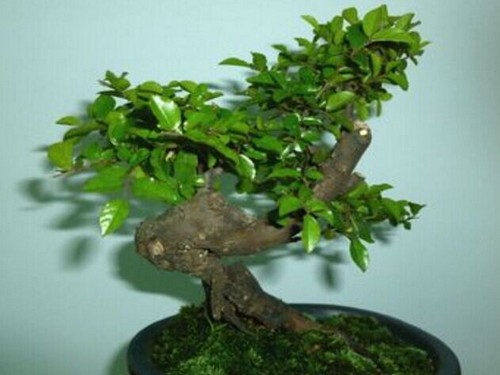
Detailed Explanation of the Key Styling Techniques for Chinese Sweet Plum (Sageretia thea) Bonsai
Sageretia thea, also known as duijieci, sageretia vine, sour fruit, and sour-berry tree, is a deciduous climbing shrub of the genus Sageretia in the family Rhamnaceae. Its roots and trunk are naturally peculiar, and its tree form is vigorous and antique, making it one of the main tree species for stump bonsai in China. Sageretia thea is a major bonsai tree species of the Lingnan school and the Su school, and is also commonly used in other regions.
条件筛选