Sageretia (Chinese plum-sageretia) has gnarled, vigorous branches and a graceful posture, making it an excellent tree species for bonsai.
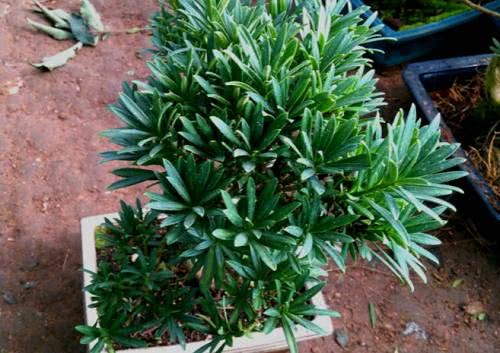
Sageretia is a climbing shrub of the genus Sageretia in the Rhamnaceae family. It grows wild in several provinces in southern China, and is also known as sageretia vine or duijieci. Its leaves are small and glossy, and it stays evergreen all year round. The branches are soft and dense, and after the mottled bark of old trunks peels off, a grayish-white bony surface is revealed, giving it a very aged, antique look. In autumn it also produces tiny greenish-white flowers, followed by small jet-black round fruits, which add considerable charm.
In the field of bonsai, sageretia holds a rather high status and is one of the representative tree species of Lingnan bonsai. It has strong sprouting ability and tolerates pruning, and its branches are easy to wire and shape. After years of cultivation it can display a gnarled, natural posture, and it also has a long lifespan, becoming more charming the longer it is grown. Propagation is mostly done by cuttings or sowing, and the methods are simple, which is one of the reasons it is so loved by bonsai enthusiasts.
For daily care, sageretia prefers a sunny, warm and humid environment, and can also tolerate partial shade; in midsummer it may be shaded appropriately. Watering should follow the principle of not watering until dry, and watering thoroughly when you do. Never let water accumulate in the pot for long periods, otherwise root rot is likely. A loose, fertile, well-drained, slightly acidic medium is best. During the growing season, apply light fertilizer frequently, and pinch and prune often to keep the tree shape compact and attractive.
During care, also note that in a stuffy environment with poor ventilation, sageretia is prone to pests such as scale insects and red spider mites; once found, deal with them promptly and improve ventilation. In northern regions, winter temperatures are low, so it is best to move the plant indoors or take warming measures to prevent it from freezing. Overall, as long as light and water-fertilizer management are in place, sageretia is not difficult to grow, and beginners can gradually accumulate experience.
Related Reading