Dahongmei is a variety of Chinese orchid whose flowers are bright red like plum blossoms, with detailed care instructions
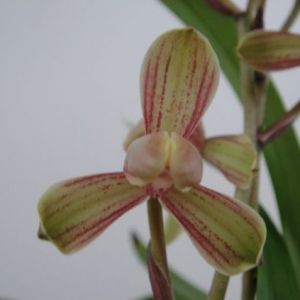
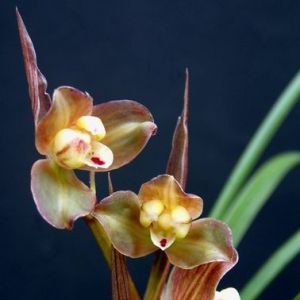
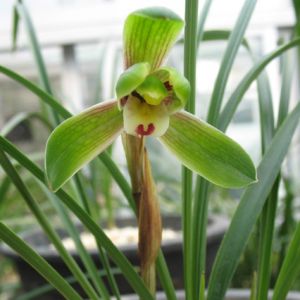
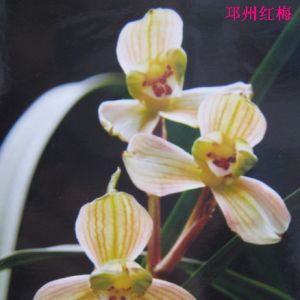
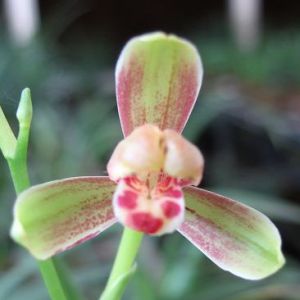
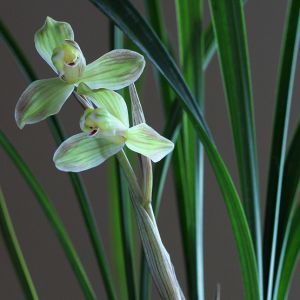
Dahongmei is the name of a category of red-flowered varieties among Chinese orchids, named mostly to convey the meaning of bright red flower color and petal shape resembling plum blossoms. The best known among them is the Cymbidium ensifolium variety Emei Dahongmei; among different orchid species such as Cymbidium goeringii, Chun Jian, and Cymbidium faberi, there are also varieties named Hongmei, which together form a red-flowered series much loved by orchid enthusiasts.
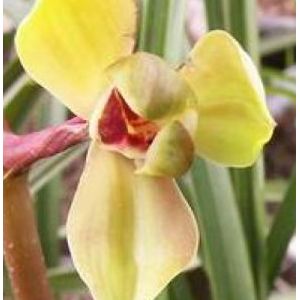
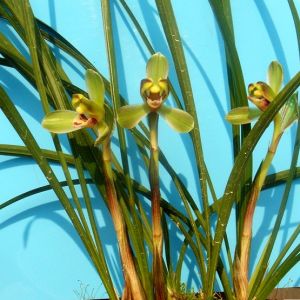
Taking the Cymbidium ensifolium Dahongmei as representative, its flower color is mostly peach red to bright red, with a bright and vivid hue, short and round petals, and the petals of the inner whorl embracing each other, carrying the charm of plum-petal flowers. Cymbidium ensifolium types mostly bloom in summer and autumn and can flower several times a year, with a delicate fragrance; Cymbidium goeringii and Chun Jian types mostly bloom in early spring. Dahongmei of different orchid species differ in plant type, leaf posture, and flowering period.
For care, it prefers warmth, humidity, and bright diffused light, and dislikes direct scorching sun. The growing medium should be loose, breathable, and well drained, and can be prepared with bark combined with granular media. Watering should follow the principle of drying then watering thoroughly; during the growing season, apply light fertilizer frequently; in summer, pay attention to shading and ventilation; in winter, provide appropriate warmth against cold.
The red flowers of Dahongmei are relatively rare among Chinese orchids and have outstanding ornamental value, making them suitable for potted display in halls and studies. When purchasing, take care to distinguish Hongmei varieties of different orchid species to avoid confusion. In daily care, too much watering easily causes root rot, while insufficient light makes flowering difficult; keeping the environment ventilated can reduce the occurrence of disease.