-
The Flower Language and Symbolism of Sageretia thea and Bonsai Care Methods and Precautions
Sageretia thea, also known as duijieci, Sageretia thea, or sour plum fruit, is a vine-like or upright shrub plant of the genus Sageretia in the Rhamnaceae family. Its branches usually bear sharp thorns, and its leaves are papery or nearly leathery, varying in shape, including elliptical, oblong, or ovate-elliptical, with edges often finely serrated. Sageretia thea has a long flowering period,
-

When does Sageretia thea bloom? A detailed guide to its flowering period
Friends who like planting and flowers and plants are probably familiar with Sageretia thea, but do you know when Sageretia thea blooms? Let's take a look! 1. When does Sageretia thea bloom? Sageretia thea blooms from July to November every year. Since ancient times, Sageretia thea has been an important material for making bonsai
-
How to Grow Chinese Sweet Plum (Sageretia thea)? A Full Breakdown of the Latest Planting Techniques
Sageretia thea is certainly no stranger to bonsai enthusiasts. As one of the Seven Sages of bonsai, Zhang Yongfa praised it in his poem: red buds covering the tree in spring, green shade like a canopy in summer, tiny flowers with a faint fragrance in autumn, and iron-hard gnarled branches in winter. The roots and trunk of Sageretia thea are peculiar, and as a whole it appears vigorous
-
What are the common pests and diseases of Sageretia thea? Summary of the latest control measures
Sageretia thea (Chinese sweet plum), as one of the "Seven Sages" of bonsai and an important material for making bonsai, is deeply loved by bonsai enthusiasts. But if it is infected with pests and diseases, its value will be greatly reduced. So which pests and diseases is Sageretia thea prone to? And how should these pests and diseases be controlled? Qin Nong
-
When to Transplant Chinese Sweet Plum (Sageretia thea)? A Detailed Guide to the Latest Transplanting Times
The material for Chinese sweet plum (Sageretia thea) bonsai can be obtained by growing seedlings through sowing, cuttings, and other methods, since it is difficult to obtain wild-collected stumps in the wild nowadays. And the practice of obtaining bonsai material by growing seedlings is also the most important means. Because Chinese sweet plum likes
-
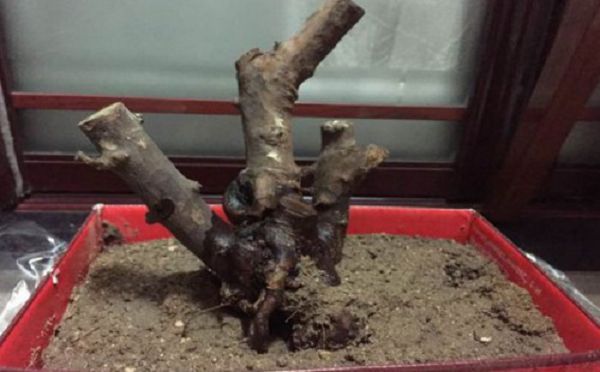
When is the best time to transplant Chinese sweet plum (Sageretia thea)?
When to transplant Chinese sweet plum
-
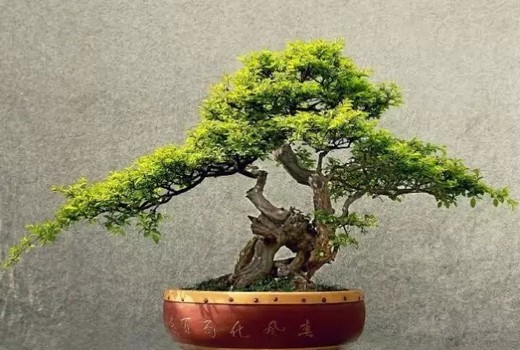
How to fertilize a Chinese elm (Sageretia thea) bonsai? Keep these principles in mind
Sageretia thea is one of the seven sages of bonsai and is very popular among bonsai enthusiasts. To grow a Sageretia thea bonsai well, you mainly need to pay attention to five aspects: water, fertilizing, potting soil, pruning and pest and disease control, among which fertilizing is a very key aspect. Fertilizing a Sageretia thea bonsai must be done with care: too much fertilizer causes excessive leggy growth of branches and leaves, while a lack of fertilizer makes the branches thin and weak
-
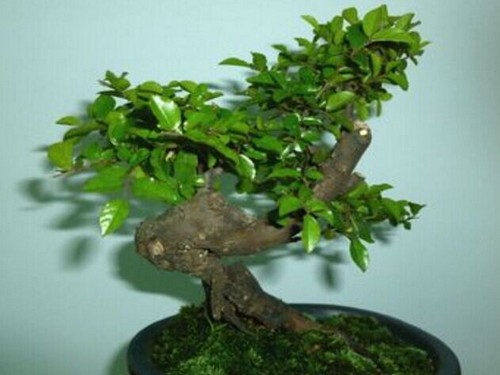
Detailed Explanation of the Key Styling Techniques for Chinese Sweet Plum (Sageretia thea) Bonsai
Sageretia thea, also known as duijieci, sageretia vine, sour fruit, and sour-berry tree, is a deciduous climbing shrub of the genus Sageretia in the family Rhamnaceae. Its roots and trunk are naturally peculiar, and its tree form is vigorous and antique, making it one of the main tree species for stump bonsai in China. Sageretia thea is a major bonsai tree species of the Lingnan school and the Su school, and is also commonly used in other regions.
-
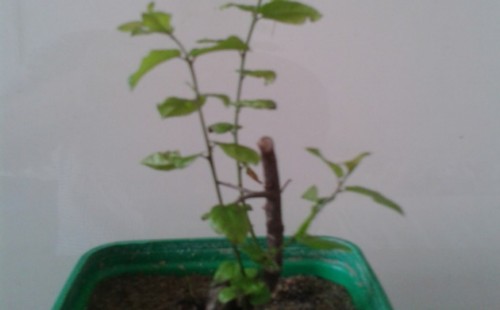
When to propagate Chinese Bird Plum (Sageretia thea) by cuttings? A detailed guide to timing and methods
Since ancient times, Sageretia thea has been an excellent material for making bonsai, especially suitable for Sageretia stumps, and is one of the important tree species for making stump bonsai. It is also one of the 5 famous trees in Lingnan bonsai. Sageretia bonsai has high ornamental value and good economic benefits, so it has always been well received by the market.
-
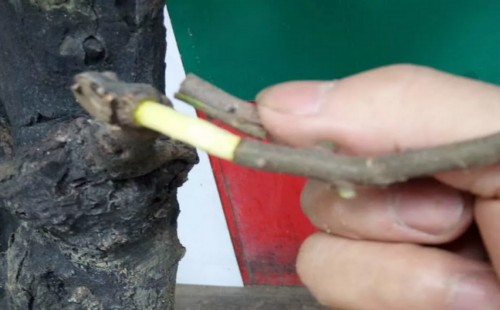
How long does it generally take for Chinese sweet plum (Sageretia thea) air layering to root?
Air layering is a very efficient means of obtaining small bonsai stock. For tree species like Chinese sweet plum (Sageretia thea) when cultivating raw stock, it often achieves twice the result with half the effort. This is mainly because propagating small Chinese sweet plum bonsai stock through air layering has a very fast rooting speed, making it easy to obtain stock that can be transplanted into pots. So
条件筛选