-

A Detailed Guide to Growing Plumbago auriculata: How to Grow It for Abundant Flowers and Lush Foliage
A detailed introduction to the growing methods and care techniques for Plumbago auriculata, including how to grow it, soil preparation, light and watering, propagation methods, fertilizing and pruning, pest and disease control, and other practical information.
-

How to make a Phalaenopsis bloom again after flowering, and how to use a plastic bag to deal with spent flowers?
The appearance of a Phalaenopsis in bloom is truly unforgettable. Many flower lovers, after seeing the flower shape when it blooms, will feel like buying a pot to take home and grow. However, even a healthy Phalaenopsis bought and brought home will inevitably reach the time when its flowers fade. After the flowers wither, how can you ensure they continue to grow healthily?
-
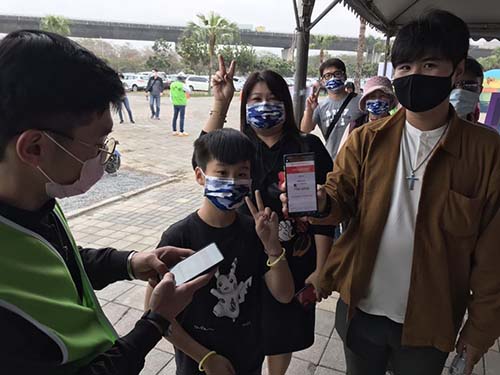
Pingtung Tropical Agriculture Expo enters its final 8 days, register with real-name system to enter and draw a limited-edition lucky bag
The Pingtung Tropical Agriculture Expo, organized by Pingtung County, runs from its opening on 2/6 until 3/1, and is a great choice for a southern spring outing. Due to the pandemic, the entire park requires real-name registration for entry. To thank the public for cooperating with the real...
-
A Detailed Guide to Baby Cabbage Seed Selection Techniques and Seedling Methods
Baby cabbage is a miniature type of bok choy with a sweet, delicate taste that is incomparably delicious. Its tender, pale-white heads are deeply loved by people, but only those who grow it specially can cultivate it. Below, let us learn together about baby cabbage seed selection and seedling method techniques. How to select baby cabbage seeds
-
A Detailed Guide to Cabbage Seed Selection, Seed Saving and Seedling Raising Methods
Cabbage, also called head cabbage, is a common vegetable of ours, with diverse cooking methods and rich nutrition; eating it regularly brings great benefits to the human body, and it is deeply loved by people. At present, there are many farmers growing cabbage, and cabbage can be planted for several crops a year. When growing cabbage,
-
A Detailed Guide to the Latest Method for Collecting Lingzhi (Reishi) Spore Powder by Bagging
Lingzhi spore powder is the extremely tiny oval-shaped reproductive cell, namely the seed of lingzhi, ejected from the gills of lingzhi during its growth and maturation period. Each lingzhi spore is only 4 to 6 microns, is a living organism, condenses the essence of lingzhi, and possesses all of
-
The Latest Guide to Growing and Caring for Blue Plumbago: Methods and Precautions Explained
Blue plumbago (Plumbago auriculata), with its emerald-green leaves and elegant flowers, is a very beautiful perennial upright herbaceous flowering plant. Grown in pots, it can be used to accent balconies and living rooms, and its flowering period lasts up to 14-18 weeks, making it a favorite flowering plant for many people to grow. Below, let's take a look together with the editor at how to grow blue plumbago.
-
How to bag a Chinese plum bonsai in winter? Teach you the correct method
Bagging potted plants is a common management practice in the care process. The main purpose of bagging is to keep warm and retain moisture. It is generally a very necessary care measure taken when temperatures are low to prevent the plant from being frostbitten or frozen to death. This is mainly
-
How to prevent and control Chinese cabbage soft rot? Latest technical method tutorial
Chinese cabbage is prone to soft rot and tipburn, and these two diseases are also a major threat to Chinese cabbage. At the early head-forming stage, earth up the ridges along with topdressing. During the head-forming stage, pay attention to preventing and controlling soft rot; you can spray in advance with agricultural streptomycin or streptomycin at 4000 times dilution, the antibacterial agent 401 at 500-6
-
How to Grow Cabbage? The Latest Planting Techniques and Methods Tutorial
Cabbage is a strongly winter-type crop. The transition from vegetative growth to reproductive growth has strict requirements for environmental conditions: the seedlings must grow to a certain size before they can respond to low-temperature induction, and vernalization can be completed after 50-90 days at 0-12°C. Regarding photoperiod, pointed-head and flat-head varieties are not very demanding, while round-head varieties have a stricter requirement for long daylight. After entering the reproductive growth stage, it generally goes through the bolting stage, flowering stage and fruiting stage. The flowering stage takes 30-40 days. The fruiting stage takes 40-50 days.
条件筛选