-

Can carbendazim be sprayed on Chinese persimmon (Diospyros cathayensis) during the fruiting period?
Carbendazim is a highly effective but low-toxicity systemic fungicidal and disinfecting agent. This fungicide has excellent systemic therapeutic and protective effects on plants, mainly targeting diseases caused by fungi, with obvious fungistatic and fungicidal effects.
-
When does the Chinese persimmon (Diospyros cathayensis) bear fruit? Four methods to solve the problem of no fruiting
The Chinese persimmon, also called "pinglan," is a common stump bonsai in our country. Because it blooms and bears fruit, and both its flowers and fruit have high ornamental value, it is deeply loved by flower enthusiasts. So when does the Chinese persimmon bear fruit? What should you do if it does not bear fruit? 1. Introduction to the Chinese persimmon
-
How to Graft Chinese Persimmon (Diospyros cathayensis)? A Detailed Guide to Propagation Methods
For experienced gardeners, propagating flowers and plants is second nature. The propagation methods for most ornamental plants are simply cuttings, sowing, layering, grafting, and so on, and the propagation methods for Chinese persimmon (Diospyros cathayensis) are all very simple as well, with sowing being the most commonly used.
-
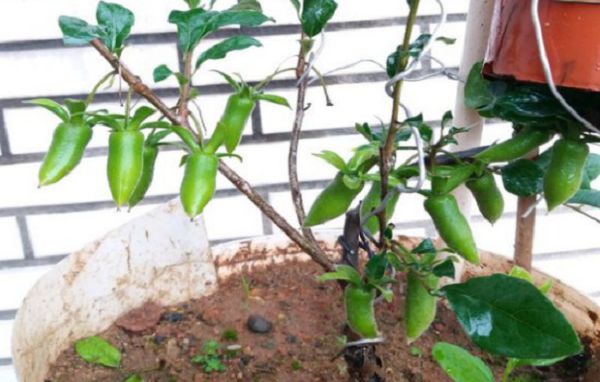
Why does the Chinese persimmon drop its fruit after setting fruit?
Why does the Chinese persimmon drop fruit after setting fruit?
-
-
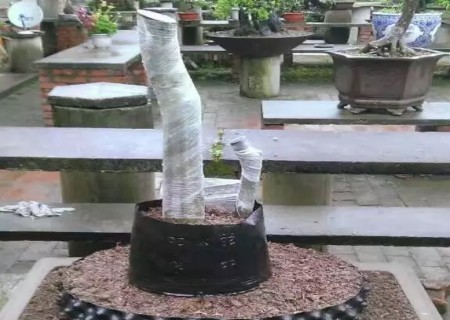
How to grow a Chinese persimmon (Diospyros cathayensis) collected yamadori stump? Detailed care methods
The wounds on collected yamadori stumps are mostly very severe, especially the main root, which is almost nonexistent. Therefore, to keep the remaining fine roots alive and to get new roots to grow from the cut surface of the main root, you need to work hard on every aspect: the collection season, pre-planting treatment, soil, watering, and ventilation and lighting during the growing process. Cultivating a Chinese persimmon collected stump
-
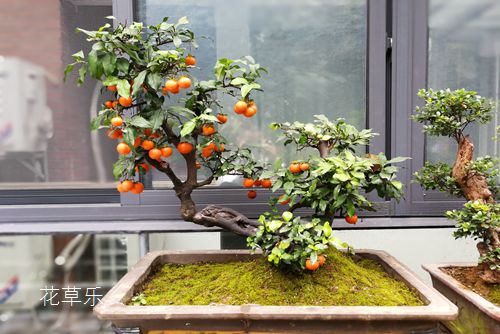
Black raised patches appear on the leaves of the Chinese persimmon (Diospyros cathayensis); suspected to be scab. How should it be prevented and treated?
The pathogen of scab is a fungus of the subphylum Deuteromycotina. On affected leaves, small water-soaked round spots appear at first, then turn waxy yellow. The lesions enlarge as the leaves grow and gradually become suberized, bulging out on one side of the leaf as conical scabs while sinking inward on the other side; leaves with many lesions become twisted and deformed.
-
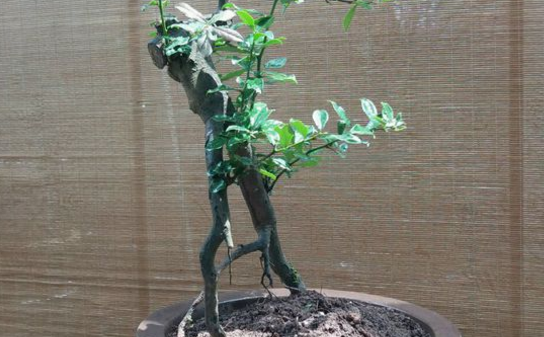
When Does the Chinese Persimmon Bloom and Bear Fruit? Growing Methods, Precautions, and Whether It Is Edible
The Chinese persimmon is also known as the bottle orchid, black pagoda, and spiny persimmon. So what are the growing methods and precautions for the Chinese persimmon? Can it be eaten? When does it bloom and bear fruit? According to available information, the Chinese persimmon likes sunlight and prefers to grow in a relatively warm environment, though it can tolerate low temperatures.
-
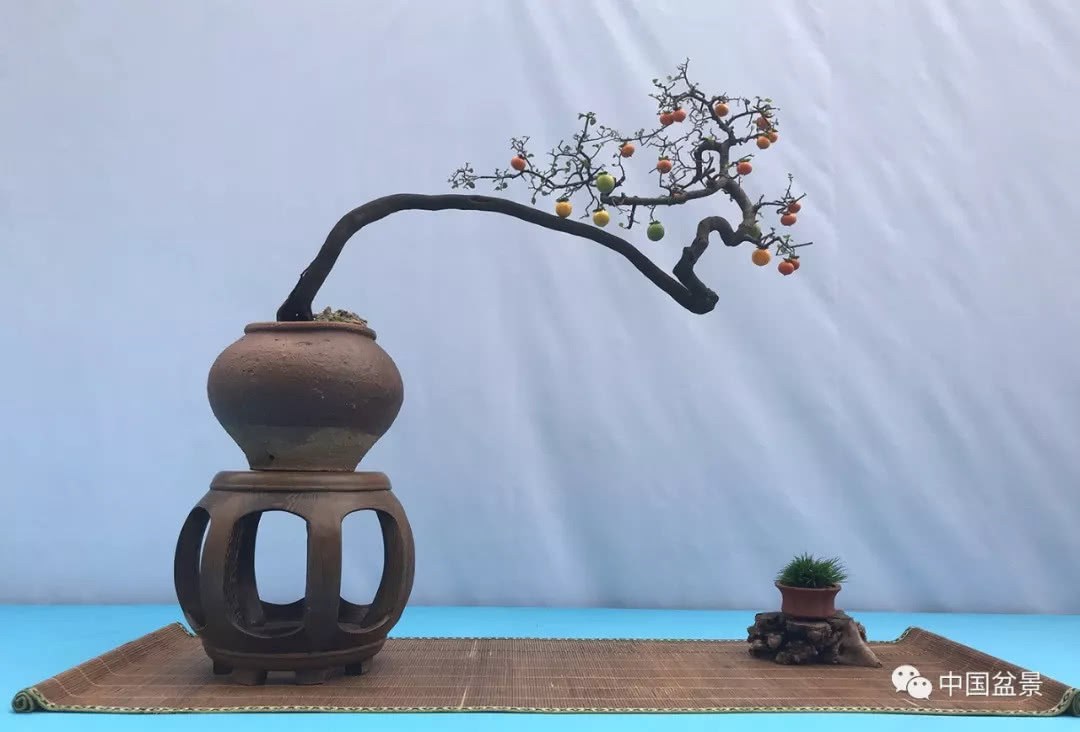
The Chinese persimmon (Diospyros cathayensis) is highly ornamental, and it is especially beautiful during the fruiting period.
Qiu Zheng · Chinese Persimmon · Song of Autumn | You Weidong Chinese Persimmon Bonsai [Bonsai Enthusiast's Reflections] Text | Li Guobin Every day's greeting is not meant to move anyone, nor to prove anything to anyone, but because I know that in getting along with people, honesty and kindness are fundamental: ...
-
How to plant Chinese persimmon? These key planting points must be remembered
Chinese persimmon is also called bottle orchid. Because the Chinese persimmon has graceful branches and an iron-like color, blooms pale yellow flowers in April, sets fruit in May, and the fruit turns orange-yellow in October, shaped like a marble, it can be said that the Chinese persimmon combines ornamental fruit, leaves, and flowers, with very high economic and landscape value.
条件筛选