Ornamental Features of Chinese Persimmon and Bonsai Care Methods
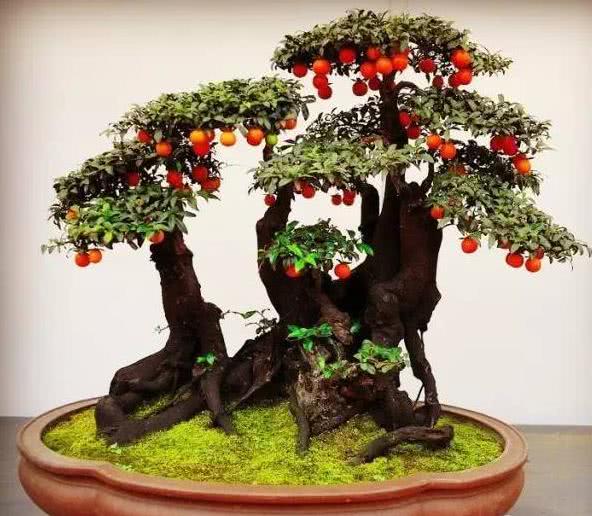
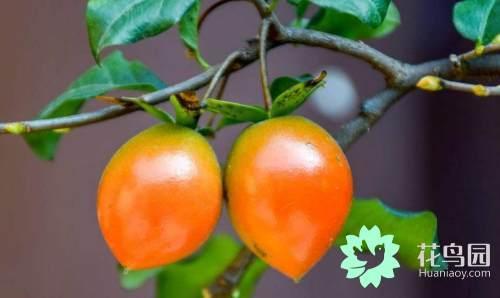
Chinese persimmon (Diospyros cathayensis) is an evergreen or semi-evergreen shrub or small tree in the genus Diospyros of the family Ebenaceae. Also known as black persimmon or bottle orchid, it gets its name because its ripe fruit is orange-yellow and shaped like a bullet. It is mainly distributed in southwestern China and along the Yangtze River basin, often growing on sunny slopes and in ravines, and is a fruit-bearing ornamental tree species highly popular among bonsai enthusiasts in southern China.
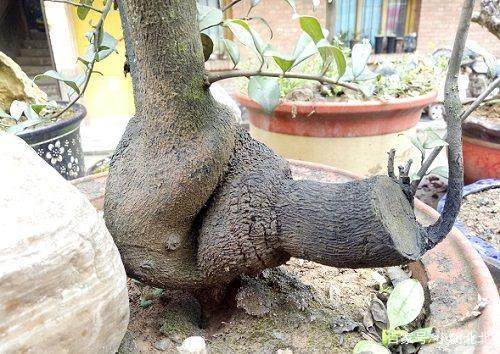
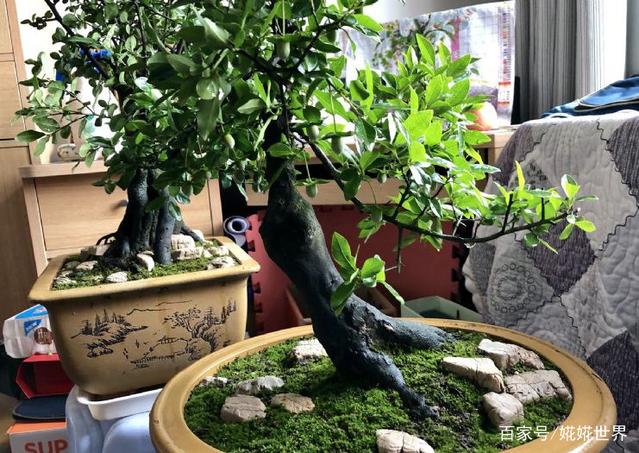
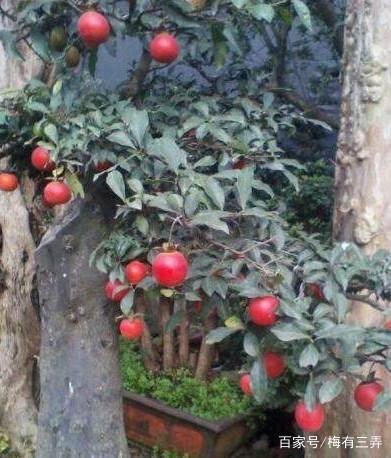
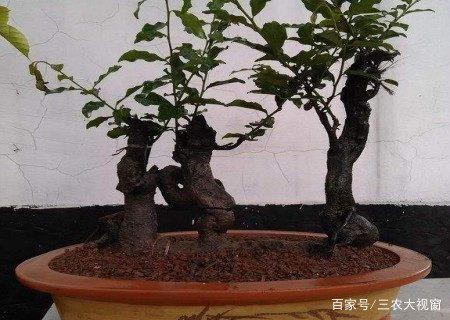
The branches and trunk of Chinese persimmon are sturdy and ruggedly old-fashioned, the leaves are leathery and glossy and evergreen all year round, and the flowers are small and bottle-shaped with a faint delicate fragrance. After the fruit turns from green to orange in autumn, it hangs on the tree for a long time and does not drop through the winter, making its ornamental season quite striking. The gnarled, ancient forms of wild old stumps become even more charming after years of cultivation, and for this reason they are treasured by bonsai growers.
As for care, Chinese persimmon likes a warm, humid environment with plenty of light, and also tolerates slight shade. It is best grown in loose, fertile, well-drained soil. During the growing season, keep the potting soil moist but not waterlogged, prune regularly to control the plant's shape, and supplement appropriately with phosphorus and potassium fertilizer before and after fruiting to help fruit set and brighten the fruit color. It has relatively few pests and diseases and is fairly low-maintenance, making it very suitable for growing at home.
It should be noted that Chinese persimmon is dioecious, meaning male and female flowers are borne on separate plants, so growing just one plant often makes it difficult to get fruit. It is best to pair it with a pollinator tree, which is also the main reason many people grow one for years without seeing any fruit. Besides being used for bonsai, it can also be planted in the ground in courtyards as a fruit-bearing ornamental species. The fruit is mainly for ornamental purposes and is generally not recommended for eating.
Related Reading