-

Is Chinese Elm Evergreen or Deciduous? A Complete Guide to Chinese Elm Leaf Characteristics
Chinese Elm is a relatively common tree species. Its wood can be used as industrial timber, and its roots, bark and tender leaves have medicinal uses, reducing swelling and relieving pain, and clearing heat and detoxifying. So is Chinese Elm evergreen or deciduous? 1. Is Chinese Elm evergreen or deciduous? Chinese Elm
-
What are the other names for Chinese elm? A detailed guide to growing Chinese elm bonsai
The Chinese elm is a plant with a graceful form and relatively fine, dense branches and leaves, and it can be combined with rockery stones and the like to make bonsai. The Chinese elm is also a fairly good landscaping tree species; its wood is solid and can be used as an industrial material. The stem bark of the Chinese elm is very tough and is
-
-
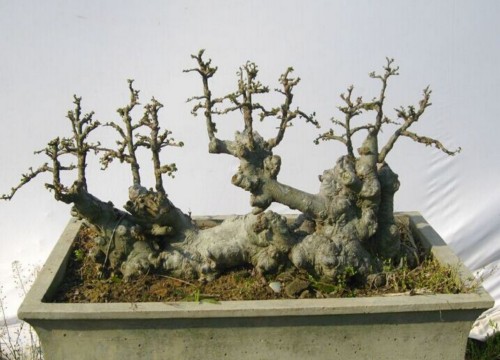
How to Shape a Chinese Elm Bonsai? Detailed Methods and Techniques
When shaping a Chinese elm bonsai, you should base the work on the basic form of the old trunk and, through wiring, pruning and other techniques, create different bonsai styles such as the formal upright style, curved trunk style, slanting style, waterside style, cascade style, wind-swept style, forest style, and root-on-rock style. Shaping can be done either during the dormant period after leaf fall or during the growing season
-
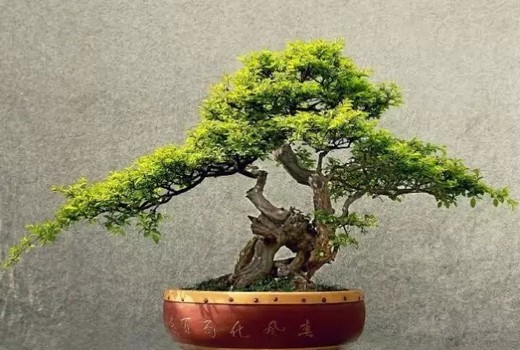
How to fertilize a Chinese elm (Sageretia thea) bonsai? Keep these principles in mind
Sageretia thea is one of the seven sages of bonsai and is very popular among bonsai enthusiasts. To grow a Sageretia thea bonsai well, you mainly need to pay attention to five aspects: water, fertilizing, potting soil, pruning and pest and disease control, among which fertilizing is a very key aspect. Fertilizing a Sageretia thea bonsai must be done with care: too much fertilizer causes excessive leggy growth of branches and leaves, while a lack of fertilizer makes the branches thin and weak
-
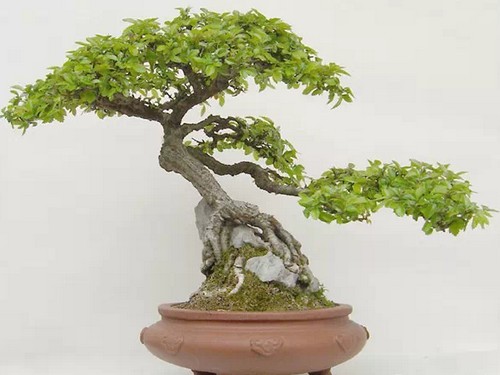
A detailed guide to shaping Chinese elm bonsai to create a beautiful tree form
When buying a Chinese elm bonsai, you must carefully examine the trunk. The fresher the raw trunk material, the better. Do not assume that a withered, decayed trunk has more charm. Some even have poorly developed root systems. Beginners should first keep the Chinese elm alive, then gradually shape it! The processing and shaping of Chinese elm can be carried out by combining pruning with wiring.
-
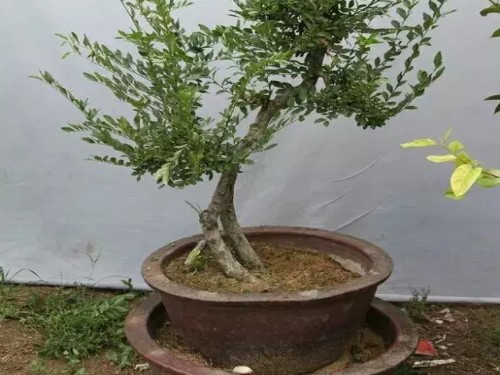
How to prune a Chinese elm bonsai? Detailed pruning tips and methods
The Chinese elm trunk is slightly curved, the bark is mottled and elegant, the small branches droop gracefully, and the leaves turn red in autumn. It is a good ornamental tree and a species for factory greening and roadside greening, often planted as a solitary specimen to form a landscape, suitable for planting beside ponds and near pavilions, and can also be placed among rocks, except that it has relatively many pests and diseases. It has strong sprouting ability and is a good material for making bonsai
-
How often should you water a Chinese elm bonsai in summer?
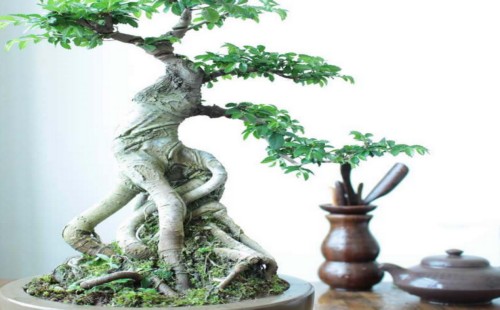
The Chinese elm bonsai is fairly drought-tolerant but not waterlogging-tolerant, and its root system is well developed with strong water-absorbing capacity, yet its dense branches and leaves mean it also loses water quickly through evaporation. During the spring and autumn growing seasons, watering thoroughly once a week is generally enough to meet its growth needs, but in practice you should water only after the potting soil has dried out.
-
When Is the Best Time to Defoliate a Chinese Elm Bonsai?
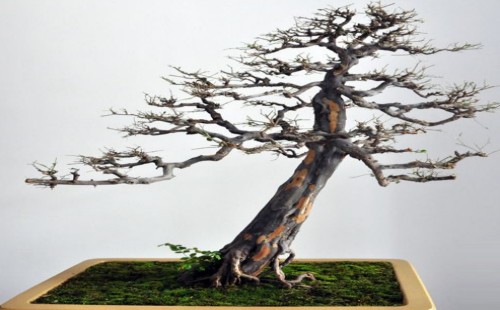
There are many types of bonsai trees suitable for defoliation, and the Chinese elm (Sageretia thea) is one of them. For tree bonsai, defoliation naturally has its benefits: it not only makes new leaves grow smaller and more pleasing to view, but also lets the bonsai display several different ornamental states throughout the year. Of course, though we call it defoliation
-
Sourcing Methods and Cultivation Techniques for Chinese Elm Bonsai
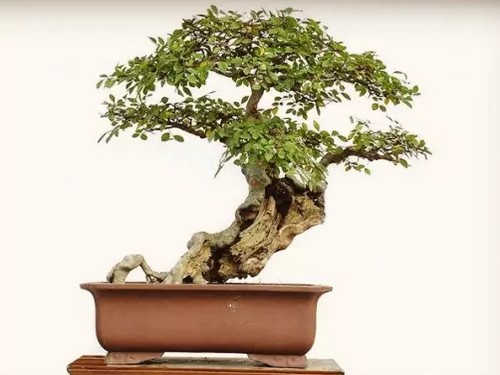
Chinese elm (Ulmus parvifolia) is also known as small-leaved elm, and it is not the same as the common elm. Its form is rather elegant, and its most striking feature is the mottled bark and trunk. Its leaves change color in autumn. It is a deciduous tree, very easy to grow casually, but not really suitable for beginners! Its horticultural varieties are prone to pests and diseases, but that does not stop people from liking it.
条件筛选