How often should you water a Chinese elm bonsai in summer?
The Chinese elm bonsai is fairly drought-tolerant but not waterlogging-tolerant, and its root system is well developed with strong water-absorbing capacity, yet its dense branches and leaves mean it also loses water quickly through evaporation. During the spring and autumn growing seasons, watering thoroughly once a week is generally enough to meet its growth needs, but in practice you should water only after the potting soil has dried out, and at the same time avoid water accumulating in the pot, which can cause root rot and decay. But summer is now here, so how many times a day should you water a Chinese elm bonsai in summer?
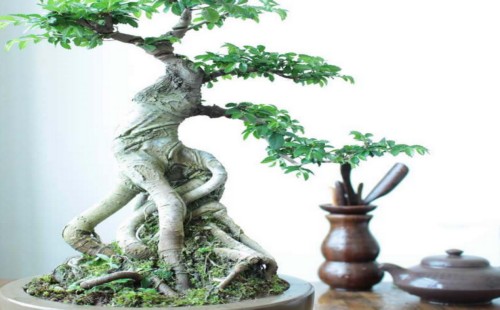
For potted flowers and trees, water management in summer is very important, and there is generally no fixed standard or rule to follow. After all, the temperature conditions in summer are not as mild and stable as in spring and autumn. So when it comes to watering, you need to manage it scientifically, and especially the finer details should not be handled carelessly. Perhaps because of one moment of inattention, we often cause unnecessary harm to the bonsai tree, affecting its normal growth.
For the Chinese elm bonsai, its drought tolerance is strong, and watering should generally alternate between dry and wet periods: water only after the potting soil has dried out, and especially avoid the soil being too wet for long periods. Combined with high temperatures and poor ventilation, the Chinese elm can easily develop growth problems, and the risk of pest and disease infection also increases. Once problems are spotted, adjust your care methods promptly, especially watering management, and at the same time take appropriate fungicidal and insecticidal measures to ensure the plant can return to normal growth.
As for how many times a day to water a Chinese elm bonsai in summer, there really is no fixed answer. That is because summer weather is often changeable, with rain and clouds hard to predict. In clear weather, especially in midsummer, because the Chinese elm's branches and leaves are dense and the temperature is high and the weather hot, water naturally evaporates more than in other seasons. So timely replenishment of water is very important. But you should generally still stick to watering only when the potting soil has dried out; in most cases this means watering once every 1-2 days, and sometimes even daily. Usually, if water loss is severe, watering thoroughly once a day is enough. But you need to spray the branches and leaves frequently to cool and humidify them.
However, even watering cannot be done blindly in summer. First, avoid the hottest part of the day on clear days; generally water in the morning or evening, and especially under sunlight you should be cautious, to avoid a sudden huge temperature difference after watering that harms the tree. Not only that, but spraying water should also avoid the hottest period of the day, and likewise you need to avoid the heat and high temperatures causing water to evaporate instantly and absorb heat, creating too large a temperature difference in one spot that harms the tree.
It is worth noting that many bonsai enthusiasts find their Chinese elm bonsai's branches and leaves wilting and dropping shortly after watering in summer, and some even see the Chinese elm die. This is mainly caused by improper watering, usually because of frequent overwatering and excess water in the pot not being drained away in time. People seem not to follow the principle of “no watering when dry, water thoroughly when you do” when replenishing water, but instead often use the number of waterings per day as the standard. In fact, this is very unscientific and should be avoided.