-
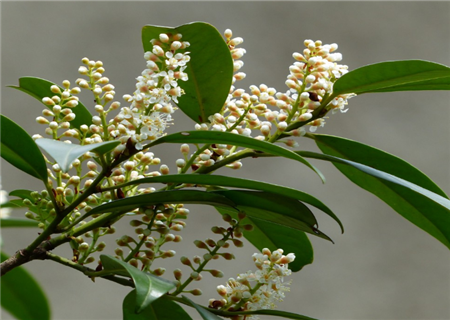
Reasons for Yellowing Leaves on Osmanthus Trees and How to Fix Them, and Why You Cannot Grow Them at Home
Osmanthus is one of China's ten traditional famous flowers. Osmanthus, also known as muxi, yangui, or yuegui, is an evergreen shrub or small tree in the family Oleaceae. There are golden osmanthus, silver osmanthus, dan osmanthus, and yuegui, among others. So what causes osmanthus leaves to turn yellow? How do you fix it? Why can't you grow osmanthus at home? Let me answer these questions for you.
-
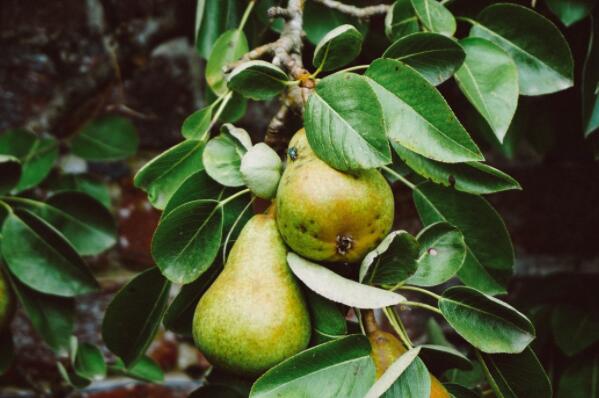
When do pear trees bloom and bear fruit, what pesticides to use for borers before and after, and why they cannot be grown at home, plus planting
The pear tree is a perennial deciduous fruit tree of the genus Pyrus in the rose family (Rosaceae), a tree, widely distributed around the world. So when does it generally bloom? Before and after fruiting, what pesticide should be used when borers appear? Why can't it be planted at home? What are the planting time and methods? It is reported that pear trees bloom from February to May, and the flowering period differs from place to place.
-
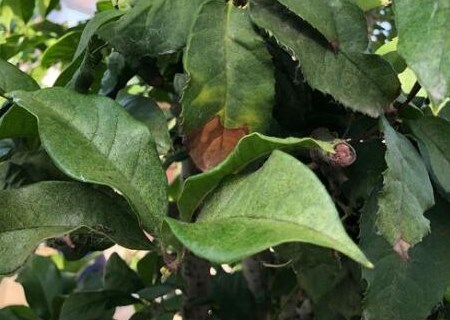
Traditional Famous Flower: What to Do When Osmanthus Leaves Turn Dry and Yellow, Why It Cannot Be Planted at Home, and How to Care for It
Osmanthus is the collective name for many trees in the Chinese genus Osmanthus, also known as rock osmanthus. It is an evergreen shrub or small tree of the Oleaceae family, with a great many horticultural cultivars. So do you know what to do when osmanthus leaves dry up and turn yellow during cultivation? Why can't it be planted at home? How can it grow well? What to Do When Osmanthus Leaves Turn Dry and Yellow
-

What are dental implants most afraid of? Lesion problems cannot be ignored
"My mother has basically lost all her teeth, and I want to take her to get implants, but I heard that implants can cause complications. Is that true?" What exactly is a dental implant? Is it safe...
-

The impact of fertilizer damage on cotton production cannot be ignored
In recent years, while promoting new cotton varieties and providing technical services in cotton-growing areas, we have frequently encountered problems caused by farmers' mistakes in fertilizer application. First, when preparing soil for cotton nutritional-pot seedling raising, some applied too much farmyard manure or chemical fertilizer to the pot soil, so that after sowing, some cotton seeds rotted or the seedlings died; in some cases, although emergence was fairly uniform, root burn and seedling death followed. Second, after the cotton seedlings emerged in the seedbed, excessive application of water-soluble flush fertilizer scalded and scorched both cotyledons of the cotton seedlings. Third, when applying base fertilizer before transplanting cotton pot seedlings, some broadcast chemical fertilizer into the plow furrow, or applied chemical fertilizer into the pot holes, without separating the pot seedlings' root system from the applied fertilizer with fine soil; after transplanting, the cotton seedling roots came into direct contact with the chemical fertilizer, and the young roots and young stems turned brown or black after fertilizer damage. In mild cases, the cotton seedlings became stunted and did not grow; in severe cases, the young seedlings withered and died. Fourth, during the bud stage, excessive single application of nitrogen fertilizers such as urea or ammonium bicarbonate, or excessive input of high-efficiency multi-element compound fertilizer, with no regard for cost and a blind pursuit of building a high-yielding cotton framework early, resulted in excessive vegetative growth, premature row closure, severe shading in the cotton field, and serious outbreaks of pests such as mirids, causing massive shedding of buds and bolls. This phenomenon was especially common in rainy years. Fifth, during the flowering and boll stage, some rushed to broadcast urea before heavy rain arrived. Urea dissolved very quickly upon contact with rain, and the fertilizer concentration in the cotton field suddenly increased. After the rain, the weather suddenly cleared, cotton leaf transpiration was high, and water in the cotton plant rapidly underwent reverse osmosis and severe water loss, so that the lower stems and leaves of the cotton plant appeared scorched; in severe cases, the entire cotton plant withered and died and could no longer be saved.
-
Five myths about drinking tea that cannot be ignored, severe cases can be fatal
In daily life, many people are used to giving strong tea to someone who is drunk to sober them up, and some people believe that tea can cure "all diseases" and can be drunk without any scruples... But today we want to tell you that all of this is bad for your health and is a misunderstanding about drinking tea. Myth one: Strong tea sobers you up. Some people believe that drinking strong tea after alcohol has a "sobering" effect, but this is wrong. After drinking alcohol, the ethanol in the liquor enters the bloodstream through the gastrointestinal tract, is first converted into acetaldehyde in the liver, then into acetic acid, and then breaks down into carbon dioxide and water that are excreted from the body through the kidneys. But if you drink strong tea after alcohol, the caffeine in the tea
-

Which flowers cannot be kept at home? Understand clearly before growing flowers
Oleander. Oleander is a common plant in the south. The flowers of oleander are fragrant. The flowers grow mainly at the tips of the branches, clustered together like an open umbrella. Oleander flowers are funnel-shaped, with overlapping petals, in three colors: red, yellow and white, among which red is its natural color
-
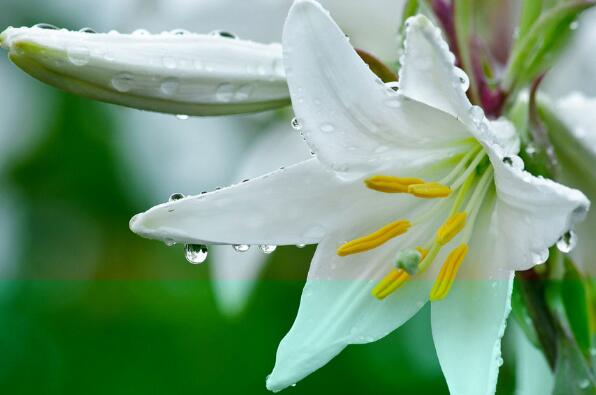
Lilies love light but cannot tolerate heat. What are the growing methods and precautions?
When it comes to lilies, everyone knows them. Their flowers bloom pure white, their form is elegant, and they look absolutely beautiful. Growing a pot of lilies at home is definitely a great choice. So how do you grow potted lilies? Below is a carefully compiled guide to lily growing methods and precautions, very comprehensive.
-
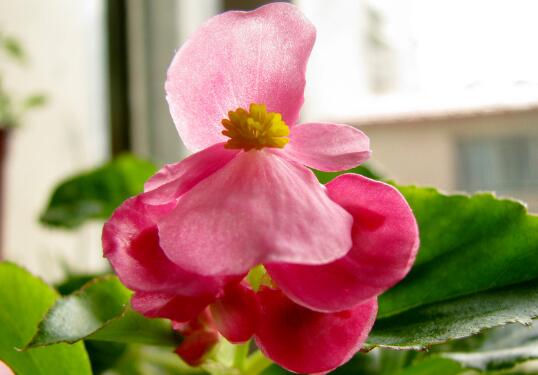
Does wax begonia need sun? Its light requirements: it loves light but cannot tolerate strong light
Wax begonia is the most common species among begonia plants. Its flowers are very graceful, and it is one of the main flowers for indoor and outdoor decoration. However, if you want it to be ornamental, then the cultivation process of wax begonia cannot be careless at all, and light is the key point. So does wax begonia need sun?
-
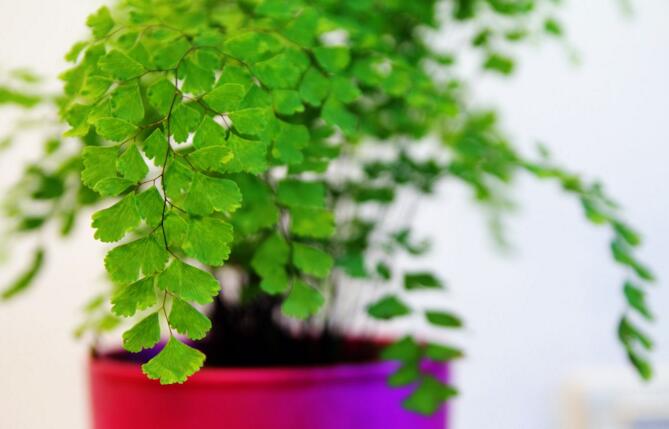
How to propagate maidenhair fern? It cannot be propagated by cuttings; division is the common method
Maidenhair fern is a relatively fast-growing plant, so it easily fills its pot, and after growing it for a while, flower lovers need to consider the question of propagation. Can maidenhair fern be propagated by cuttings? How is maidenhair fern propagated? Below, the editor introduces several common propagation methods for maidenhair fern.
条件筛选