Which flowers cannot be kept at home? Understand clearly before growing flowers
Oleander
Oleander is a common plant in the south. The flowers of oleander are fragrant. The flowers grow mainly at the tips of the branches, clustered together like an open umbrella. Oleander flowers are funnel-shaped, with overlapping petals, in three colors: red, yellow and white, among which red is its natural color, while "white" and "yellow" are new varieties created through long-term artificial cultivation. Every summer, oleander blooms brilliantly and most enchantingly, yet unexpectedly it turns out to be a toxic plant. Its stems, leaves and even flowers are all toxic, and if its scent is inhaled for too long, it can make a person drowsy and reduce intelligence. The milky white sap it secretes can cause poisoning if accidentally ingested.
1. Entrance hall: The entrance hall is the path guests must pass through when coming into the home, thus leaving a deep first impression, so the decoration of the entrance hall is very important. If you want a fairly neat greenery decoration with a plant-like form, there are Brazilian iron, golden pothos, cast iron plant and so on; while if used as a hanging decoration to make the space more spacious and the room space more lively, you can choose ferns, spider plant and so on. Generally, if you want greenery decoration, plants with relatively soft stems and slender leaf shapes are best, as this can soften the atmosphere of the space.
2. Living room: This is a very important place in the daily home, a main activity center for family members, and its greenery decoration is very important. If you like something more luxurious, you can choose Brazilian iron, giant taro, Malabar chestnut with larger leaves and taller plants, or some vine plants such as golden pothos, emerald gem, weeping fig, areca palm and so on; if you prefer something more rustic and elegant, you can choose tree-stump bonsai as the main feature, and pair small, brightly colored foliage bonsai plants on the coffee table, flower stand and other places, such as flamingo lily, peacock prayer plant, ornamental pineapple and so on, so that the living room looks more full of vitality and the atmosphere is very lively.
3. Living room: This is a rather leisurely place, and it should be decorated to be relatively fresh, elegant, bright and clean, quiet, peaceful, graceful, solemn and so on. You can choose some plants whose colors are not particularly eye-catching, such as asparagus fern, nerve plant, arrowhead plant, English ivy, inch plant, golden pothos, heartleaf philodendron and so on, relatively green foliage plants, which can also help regulate eyesight and relieve fatigue, and can also inspire people, bringing positive passion and vitality.
4. Bedroom: People spend one third of the day in the bedroom, so the arrangement of the bedroom is also very important, and creating a warm, elegant and stylish spatial atmosphere is very important. If the bedroom is relatively small, choosing small, light green plants is best. And for plants with relatively light and elegant colors and unique shapes, you can grow asparagus fern, ferns, Swiss cheese plant and so on; if the space is large enough, you can place relatively neat umbrella tree, Brazilian iron, heartleaf philodendron and so on, and these can be matched according to the age of the residents.
5. Dining room: The dining room is the place where people have their three meals a day, and it can be decorated to be clean and sweet, and some foliage plants with relatively bright colors can be placed. The plants should be small, and a flower stand can be used to place some emerald green foliage plants, such as lily turf, asparagus fern, clearweed, Swiss cheese plant, baby rubber plant, ornamental pineapple, peacock prayer plant, and in the corner you can place Dutch iron, golden pothos, Malabar chestnut and so on; this can not only lift the spirits but also enhance appetite.
[Which flowers are good to keep at home — grow different flowers according to home feng shui]
In life there are very many plants with feng shui significance, and they are also very easy to cultivate, requiring you to spend very little thought. For example, lucky bamboo has the effect of attracting wealth, kumquat also has the effect of attracting wealth and gathering treasure, narcissus has the effect of warding off evil and removing filth, thereby bringing good fortune and wealth, and chrysanthemum symbolizes longevity and increased blessings. Among chrysanthemums, longevity chrysanthemum, cosmos and so on are all suitable for growing indoors, with appropriate light given and avoiding pests and diseases; you can also grow jasmine, honeysuckle, morning glory, lilac and so on, all of which have a sterilizing effect, and can also inhibit infection by pathogens such as dysentery, tuberculosis, diphtheria, typhoid and so on, and can keep the air clean for a long time.
[Which flowers are good to keep at home — grow different flowers according to the functions of the plants]
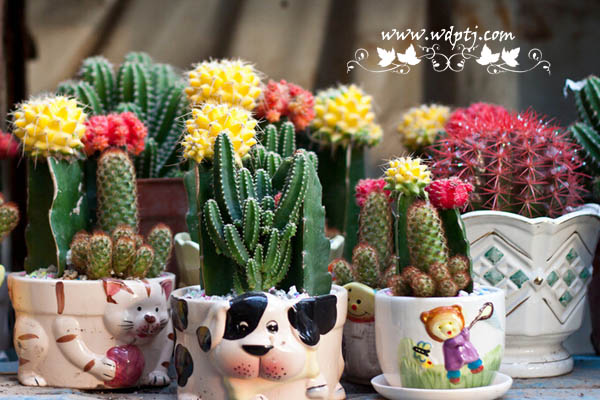
Plants not only beautify the environment but also purify the air. Generally, placing about three pots of flowers in the living room is enough, and choosing some plants with low light requirements is best, such as evergreen, Brazilian iron tree, Chinese orchid and so on. In the bedroom, generally choosing some small ball cactus, cactus, plants that are relatively small and harmless to the human body is best, and especially some succulents play a very good hanging decorative role.
1. Plants that remove formaldehyde and maintain fresh air include aloe, snake plant, spider plant and so on. Snake plant can release a large amount of oxygen during the day, while spider plant can produce bactericides, thereby removing pathogens from the space and so on, and also has the effect of absorbing carbon dioxide.
2. Plants with the effect of killing pathogens include pink, jasmine, stock, lily of the valley, crape myrtle, rose, lemon, rose, osmanthus and so on.
3. Fragrant plants include rose fragrance, tulip, orchid fragrance, white magnolia fragrance and so on. Rose fragrance can relieve fatigue and is beneficial for nervous system diseases; tulip can relieve eye fatigue and eliminate irritability; orchid has a very good relieving effect on people with lung heat, excess phlegm and cough; white magnolia fragrance has effects such as purifying air and sterilizing.
4. Plants with anti-radiation properties include ball cactus and cactus.
5. Plants that absorb toxic chemical substances in the air include English ivy, Chinese rose, camellia, pomegranate, wintersweet, marigold, orchid tree, kumquat, sago palm, purslane, daisy, orchid, osmanthus, wintersweet, red-backed zinnia, caladium, cast iron plant, snake plant, spider plant and so on.
More related information Hydroponic flower picture appreciation Are eucalyptus leaves toxic Forsythia price Wild rose pictures How much does one azalea plant cost