-

Preparation and Use of Nutrient Solution for Hydroponic Alocasia (Dumb Cane)
Hydroponically grown plants generally grow weaker and much more slowly than those grown in potting media, and this is normal. Hydroponic plants are attractive and clean, and in homes they are mostly used to decorate the interior, so slower growth is actually just right for maintaining their ornamental effect over the long term. Using nutrient solution for hydroponic plants is somewhat troublesome.
-
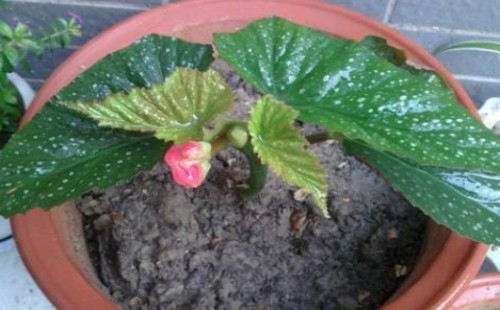
A Detailed Explanation of the Blooming Period of the Cane Begonia and the Reasons It Does Not Bloom
The cane begonia (Begonia maculata) belongs to the begonia family. Its flowers are small and exquisite, delicate and bright red, and very endearing, so many plant lovers like to grow it as a houseplant in pots. The cane begonia is a shallow-rooted species, generally propagated from young plants by cuttings. With proper growing methods, you can usually see its flowers in summer and autumn.
-
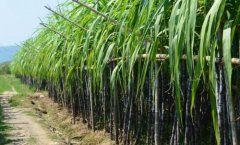
Sugarcane Planting Methods, Timing, and Seedling Pretreatment Measures Explained
The prospects for sugarcane planting are relatively good, but do you know how to plant sugarcane? Would you like to learn about it? Let's take a look together! 1. Pretreatment of Sugarcane Seedlings To promote rapid and uniform germination of sugarcane seedlings and prevent the occurrence of important diseases, the measures of soaking and disinfecting sugarcane seedlings before planting are called "pretreatment"; the commonly used methods are:
-
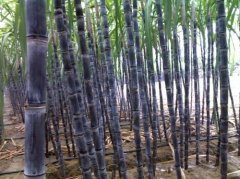
How to plant sugarcane so it easily survives? Planting month and growth period duration
Sugarcane is a fairly common fruit, so would you like to try growing it yourself? If so, let's take a look together! This planting method is similar to moso bamboo planting techniques! Sugarcane is not very strict about soil choice; it can be planted from loose gravelly soil to heavy clay
-
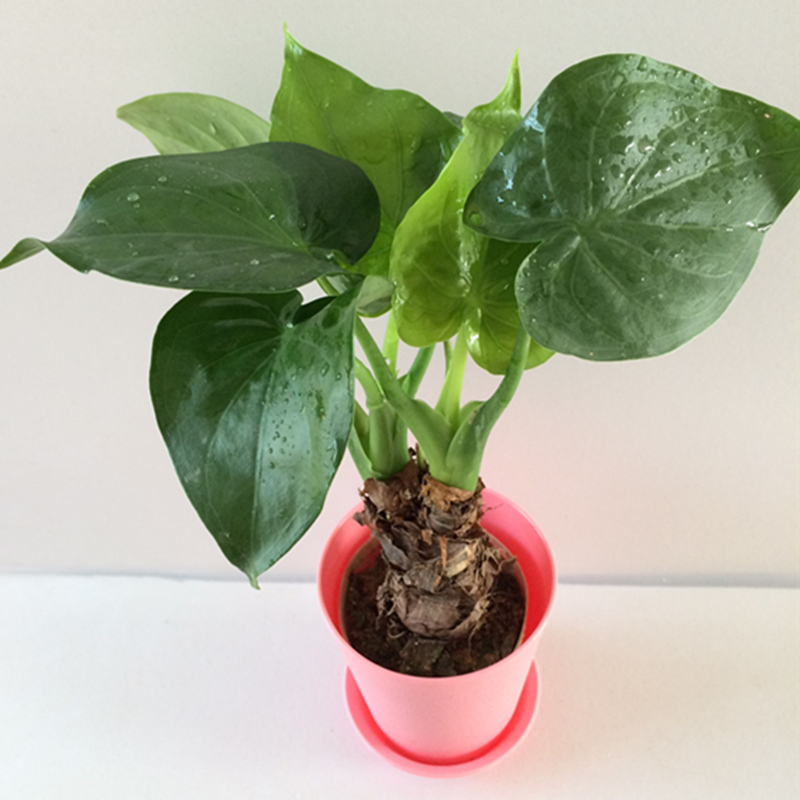
Dumb Cane is poisonous, so extra care is needed when growing and caring for it
Dumb Cane is a trade name, also known as "Dishuilian" and "Foshoulian"; other common names include Langdu (underground stem), Tianhe, Guanyinlian, Xiutiancao, Gehexian, Guanyinyu, Guangdong Langdu Henyutou, Langdu (Guangdong), wild taro, mountain taro, big-root taro, big-worm taro, Tianyu, Tianmeng, and more
-
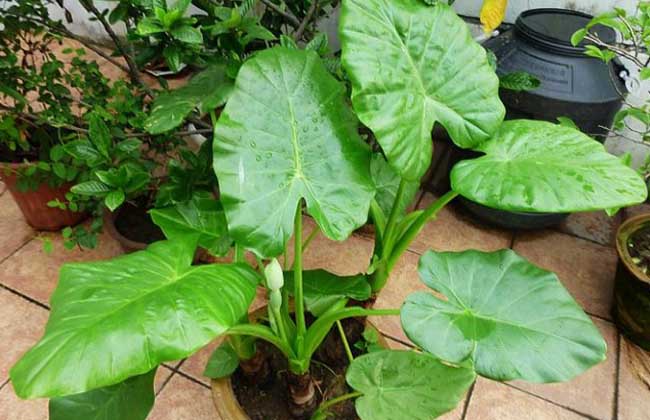
What to Do When Alocasia (Dumb Cane) Leaves Turn Yellow and Roots Rot? Causes and Solutions
When Alocasia leaves turn yellow, dry soil and lack of water can easily cause the leaves to wilt and turn yellow. Solution: During the vigorous growth period from May to September, water once every 2 days, and at the same time, spray more water on the plant surface to increase humidity. In a water-rich, moist environment, Alocasia drips water from its leaf tips and edges
-
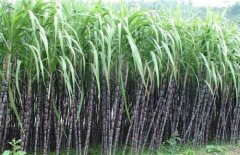
Introduction to sugarcane planting methods, timing, and fertilization management techniques
Sugarcane is a relatively popular fruit with a very high sugar content and is the raw material for making brown sugar, so its market demand is very large, and many people grow this fruit. Do you know how to grow this fruit? Let's take a look together.
-
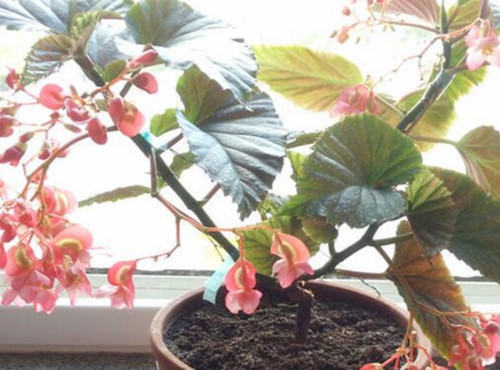
How much does a Begonia maculata (cane begonia) seedling cost, how do you grow it, and when does it bloom?
Begonia maculata, a traditional Chinese medicine name. It is the whole plant of the Begoniaceae plant Begonia maculata. It is cultivated in parks and flower nurseries in China, or grown as a potted flowering plant. It is native to Brazil. So, how much does a Begonia maculata seedling cost, how do you grow it, and when does it bloom? It is understood that
-
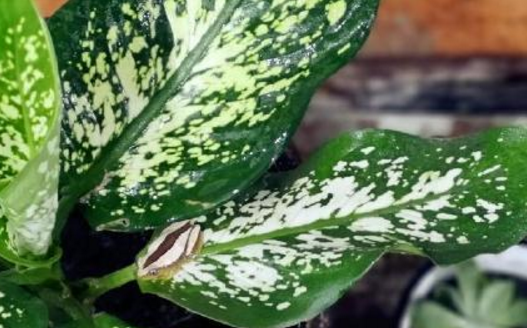
Hydroponic Growing, Soft Leaves and Propagation Methods for Dieffenbachia (Dumb Cane) of the Araceae Family
Dieffenbachia (scientific name: Dieffenbachia picta Lodd.), also known as dumb cane, so what is the hydroponic method for dieffenbachia? What should you do when the leaves go soft? How do you propagate it? According to reference materials, dieffenbachia is a plant native to Brazil in South America.
-
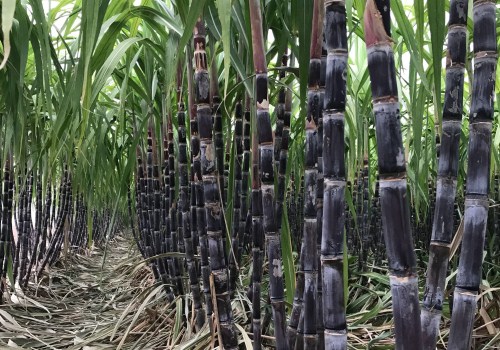
Introduction to sugarcane cultivation techniques: which varieties are good to plant in 2019?
Sugarcane is a plant of the genus Saccharum in the grass family. The stem is cylindrical, with nodes, and the internodes are solid. The color can be purple, red, or yellow-green, among others. It can be eaten fresh and tastes sweet, and many people like to eat it. So, how is sugarcane grown? Here we introduce sugarcane cultivation techniques. Introduction to sugarcane!
条件筛选