Sugarcane is a relatively popular fruit with a very high sugar content and is the raw material for making brown sugar, so its market demand is very large, and many people grow this fruit. Do you know how to grow this fruit? Let's take a look together.
Sugarcane is a relatively popular fruit with a very high sugar content and is the raw material for making brown sugar, so its market demand is very large, and many people grow this fruit. Do you know how to grow this fruit? Let's take a look together.
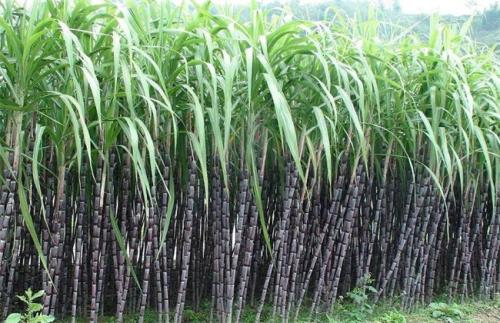
Sugarcane planting methods:
1. Land preparation: Sugarcane does not have high soil requirements; it is best to use deep, loose, crumbly, fertile soil, because sugarcane plants are tall and their roots are relatively deep. Sugarcane should be plowed in autumn, and then shallow-plowed and finely prepared when planting the following spring. Reasonable crop rotation should be used, which can reduce pests and diseases, eliminate weeds, and increase yield. Generally, a four-year-one-cane or five-year-three-cane rotation is used.
2. Planting: When the soil temperature stabilizes above 10°C, planting can begin. The best time for spring sugarcane planting is January to March; the best time for autumn planting is between August and September.
3. Cutting seed cane: Before planting, the seed cane must first be cut. Choose healthy, fresh sugarcane stems with thick, strong buds and no pests or diseases. Generally, double-bud seedlings from the top section are selected as seed cane, which is both economical and easy to sprout. Before planting, the cane seedlings can be soaked in % limewater for 12-24 hours to disinfect them; then rinse them clean with water, which can promote earlier sprouting and kill scale insects and borers.
4. Fertilization: The sugarcane growth period is very long, so sufficient base fertilizer must be applied and additional topdressing should be added. Base fertilizer can use barnyard manure, green manure, and other miscellaneous farmyard manure, composted with phosphate fertilizer and applied. If there is a large amount of base fertilizer, it can be turned and buried into the soil during plowing; the first topdressing is carried out when the seedlings have 3-4 leaves, applying commercial night soil or ammonia water. The second application is when the seedlings are 6-7 cun tall, and the amount of fertilizer can be somewhat more than the previous application. The third application is when the seedlings are 1-2 chi tall, using barnyard manure, compost, or cake fertilizer combined with phosphorus and potassium fertilizers, applied in furrows.