Dumb Cane is poisonous, so extra care is needed when growing and caring for it
Dumb Cane is a trade name, also known as "Dishuilian" and "Foshoulian"; other common names include Langdu (underground stem), Tianhe, Guanyinlian, Xiutiancao, Gehexian, Guanyinyu, Guangdong Langdu Henyutou, Langdu (Guangdong), wild taro, mountain taro, big-root taro, big-worm taro, Tianyu, Tianmeng, and more. What is called "matixilian" in Taiwan, China refers to Alocasia.
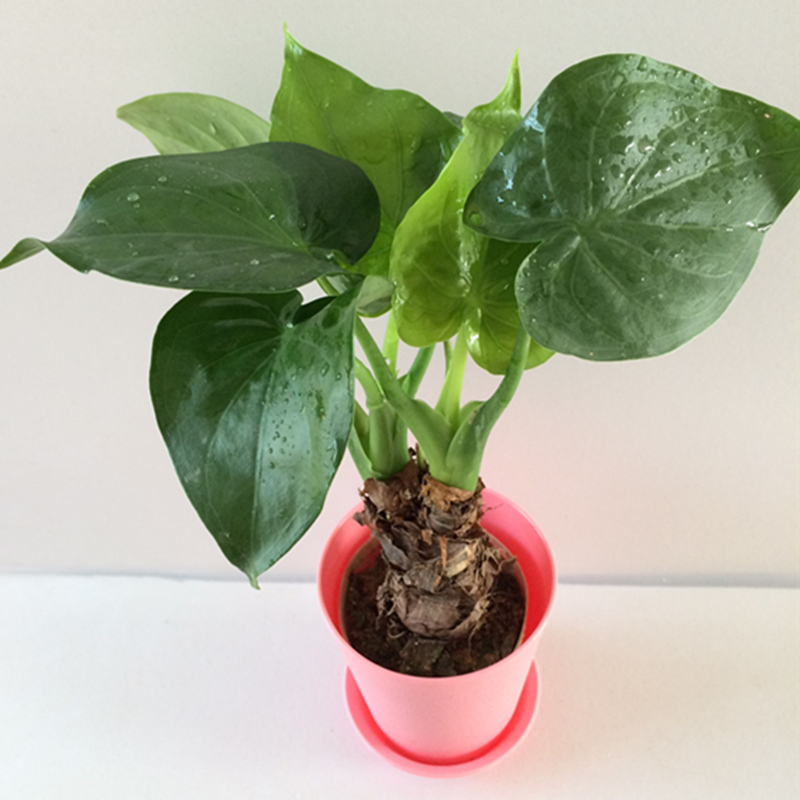
This plant is a perennial evergreen herbaceous plant and has medicinal value.
The flower meaning of Dumb Cane – like-mindedness, sincerity, interest, and inner elegance.
The scientific name of Dumb Cane is Alocasia, formerly called "Guanyinlian" and "Xiutiancao", and it has the effect of removing dust from the air. The white sap in the stem of Dumb Cane is toxic, and the water it drips is also toxic. Accidental touching or eating of its sap can cause discomfort in the throat and mouth, and in severe cases can also cause suffocation, leading to death from cardiac paralysis. Skin contact with its sap can cause itching or severe irritation, and eye contact with the sap can cause severe conjunctivitis, or even blindness. Therefore, contact with Dumb Cane should be minimized as much as possible, and families with young children had best not grow it.