What are the cultivation methods for the velvet calathea?
Velvet calathea (Calathea zebrina) has long, elliptical-lanceolate leaves, with leaf surfaces in pale yellow-green or gray-green and a velvety sheen. Velvet calathea is a perennial evergreen herbaceous foliage plant in the family Marantaceae and the genus Goeppertia (Calathea). So what are the cultivation methods for velvet calathea? Next, let the editor of Yiqizhuangxiu.com give everyone a brief introduction!
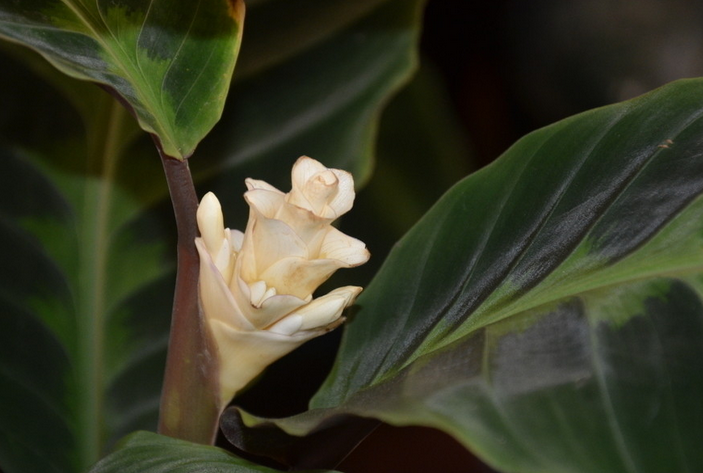
What cultivation methods are there for velvet calathea
1. For potting soil, it is best to choose well-drained leaf mold mixed evenly with 1/3 river sand, and add a small amount of bone meal at the bottom of the pot as a base fertilizer. During the peak growth period, apply a dilute liquid fertilizer with a ratio of 40% nitrogen, 30% phosphorus, and 30% potassium once every half month to maintain the gloss of the leaves. Potting should not be too deep; just plant all the roots into the soil, otherwise the growth of new shoots will be affected. In late autumn, pay attention to spraying monopotassium phosphate (0.2% to 0.3%) to benefit plant growth and improve cold resistance in winter.
2. Keep the potting soil moist at all times, but be careful not to let it become too wet, so as to avoid root rot. It has high requirements for air humidity, and it is best to maintain it at around 75%. If the air is too dry, new leaves will appear curled and not spread out. Therefore, during the growing season, attention should be paid to frequently spraying water on the leaves and around the plant to increase air humidity, but good ventilation should also be maintained.
3. It likes warmth, and the suitable growth temperature is 18°C to 25°C. It is not cold-tolerant, and the overwintering temperature must not be lower than 16°C. If it is below 13°C for a long time, it will suffer cold damage. In winter, when the temperature is low, the potting soil should be kept on the dry side, otherwise the leaves are likely to become scorched yellow or the roots may rot. The nighttime temperature should not be lower than 16°C.
4. It dislikes strong light and exposure to the sun. The light should not be too strong, otherwise phenomena such as yellowing and curling of the leaves will occur. However, long-term insufficient light is also not good, as it will prevent photosynthesis from proceeding normally and affect normal growth. In summer, shade 70%; in winter, shade 30%.
5. Repot each summer using a potting mix. After removing the plant from the pot, it is best to remove the soil around the roots, cut off some old roots, add new soil, and replant. If the potted plant has already grown quite large, you can move it to a pot one size larger or propagate it by division. After planting, water thoroughly and place it in a semi-shaded place for cultivation.
6. It is prone to leaf blight and leaf spot diseases, and is harmed by whiteflies, red spider mites, and scale insects. Pay attention to observation, and once discovered, treat promptly according to the symptoms.
7. Propagation can be done by division. Division is best carried out in warm spring or autumn when the temperature can remain above 18°C. First remove the plant from the pot, remove part of the old soil, divide the horizontally growing rhizomes into several clumps, each clump should have 3 to 4 small plants, and then plant them separately.
What cultivation methods are there for velvet calathea
How to grow velvet calathea: cultivation methods for velvet calathea
Friends who love flowers and plants have all heard of velvet calathea, but many friends do not understand how to grow velvet calathea. Below, we will tell everyone the cultivation methods for velvet calathea.
1. Temperature: Velvet calathea likes a warm, humid environment, is not cold-tolerant, and fears dryness. In winter, the cultivation temperature should not be lower than 10°C, while in summer the temperature should not exceed 35°C, otherwise it is extremely unfavorable to the growth of velvet calathea.
2. Watering: Velvet calathea is very sensitive to moisture. During the growing season, it must be watered fully to keep the potting soil moist. But do not water too much; if the soil is too wet, it will cause root rot and even death. In addition, if the air humidity is low, the leaves of velvet calathea will immediately become curled, so during cultivation, attention should be paid to maintaining suitable humidity, especially during high temperatures, to spray more water on the leaves to increase air humidity.
3. Light: Velvet calathea likes a semi-shaded environment and dislikes strong light and exposure to the sun. Therefore, when cultivating velvet calathea, the light should not be too strong, otherwise phenomena such as yellowing and curling of the leaves will occur. However, placing velvet calathea in a completely shaded environment for a long time is also not good, as it will affect the photosynthesis of velvet calathea and thereby affect its normal growth.
4. Fertilizing: During the vigorous growth period of velvet calathea, apply liquid fertilizer once every 1-2 weeks, and appropriately apply phosphorus fertilizer 1-2 times to maintain the gloss of the leaves. In winter, when the temperature is low, the plant grows slowly or enters dormancy, so fertilization should be stopped and watering controlled.
5. Pests and diseases: Velvet calathea is prone to leaf blight and leaf spot diseases, and is harmed by whiteflies, red spider mites, and scale insects. During cultivation, pay attention to observation, and once discovered, treat promptly according to the symptoms.
6. Repotting: When growing velvet calathea in pots, repot it every May. Mainly cut off some old roots, add new soil, and replant. If the plant is relatively large, you can move it to a pot one size larger or propagate it by division. After planting, water thoroughly and place it in a semi-shaded place for cultivation. For potting soil, it is best to choose well-drained leaf mold mixed evenly with 1/3 river sand, and add a small amount of bone meal at the bottom of the pot as a base fertilizer. Avoid using heavy, sticky soil for potting, and the potting depth should be such that the roots are not exposed.
7. Propagation: Velvet calathea is mainly propagated by division. The best time for division is in early spring (February and March) after the soil thaws. The divisions should not be too small, so as not to affect the growth of the new plants. After the new plants are potted, water should be controlled, and they should be kept in a semi-shaded place for care. Only after new roots have emerged can they be watered fully.
More informationCultivation methods for velvet calathea: what to do when velvet calathea leaves turn yellow
Velvet calathea is also called mosaic plant (Calathea), and its leaves are fuzzy, with zebra-like dark green stripes and a glossy sheen. So how do you grow velvet calathea? What should you do when velvet calathea leaves turn yellow? Next, let us learn about it together.
I. Cultivation methods for velvet calathea
1. Temperature: Velvet calathea likes a warm, humid environment, is not cold-tolerant, and fears dryness. In winter, the cultivation temperature should not be lower than 10°C, while in summer the temperature should not exceed 35°C, otherwise it is extremely unfavorable to the growth of velvet calathea.
2. Watering: Velvet calathea is very sensitive to moisture. During the growing season, it must be watered fully to keep the potting soil moist. But do not water too much; if the soil is too wet, it will cause root rot and even death. In addition, if the air humidity is low, the leaves of velvet calathea will immediately become curled, so during cultivation, attention should be paid to maintaining suitable humidity, especially during high temperatures, to spray more water on the leaves to increase air humidity.
3. Light: Velvet calathea likes a semi-shaded environment and dislikes strong light and exposure to the sun. Therefore, when cultivating velvet calathea, the light should not be too strong, otherwise phenomena such as yellowing and curling of the leaves will occur. However, placing velvet calathea in a completely shaded environment for a long time is also not good, as it will affect the photosynthesis of velvet calathea and thereby affect its normal growth.
4. Fertilizing: During the vigorous growth period of velvet calathea, apply liquid fertilizer once every 1-2 weeks, and appropriately apply phosphorus fertilizer 1-2 times to maintain the gloss of the leaves. In winter, when the temperature is low, the plant grows slowly or enters dormancy, so fertilization should be stopped and watering controlled.
5. Pests and diseases: Velvet calathea is prone to leaf blight and leaf spot diseases, and is harmed by whiteflies, red spider mites, and scale insects. During cultivation, pay attention to observation, and once discovered, treat promptly according to the symptoms.
6. Repotting: When growing velvet calathea in pots, repot it every May. Mainly cut off some old roots, add new soil, and replant. If the plant is relatively large, you can move it to a pot one size larger or propagate it by division. After planting, water thoroughly and place it in a semi-shaded place for cultivation. For potting soil, it is best to choose well-drained leaf mold mixed evenly with 1/3 river sand, and add a small amount of bone meal at the bottom of the pot as a base fertilizer. Avoid using heavy, sticky soil for potting, and the potting depth should be such that the roots are not exposed.
7. Propagation: Velvet calathea is mainly propagated by division. The best time for division is in early spring (February and March) after the soil thaws. The divisions should not be too small, so as not to affect the growth of the new plants. After the new plants are potted, water should be controlled, and they should be kept in a semi-shaded place for care. Only after new roots have emerged can they be watered fully.
II. What to do when velvet calathea leaves turn yellow
1. Temperature: Velvet calathea likes a warm and humid environment, and the suitable growth temperature is 20-28°C. If the temperature is too high or the air is too dry, the leaves of velvet calathea will curl, shrink, and have scorched edges. Therefore, let it grow at a suitable temperature.
2. Sunlight: Velvet calathea is a shade-loving plant, so during cultivation, attention should be paid to shading, and exposure to harsh sunlight should be avoided. If direct sunlight shines on it, it will scorch the leaves of velvet calathea, causing localized scorching at the leaf edges, stopping the growth of new leaves, and causing the leaf color to turn yellow.
3. Diseases: If velvet calathea is kept for a long time in a high-temperature, humid, and poorly ventilated environment, the plant will weaken and become prone to leaf blight. It is generally infected from the leaf edges and leaf tips, with spots developing from small to large in irregular shapes, red-brown to gray-brown, and the lower leaves of the plant are more severely affected. Pests and diseases mainly include leaf spot and leaf blight, which can be controlled by spraying lime Bordeaux mixture. For pest damage from whiteflies, spray with 25% phosmet emulsifiable concentrate at 1000 times dilution.
The above iscultivation methods for velvet calatheaandwhat to do when velvet calathea leaves turn yellowan introduction. Potted velvet calathea is suitable for decorative accents in homes, hotels, and public places, and is also often used as an accompaniment in flower arrangements.