-
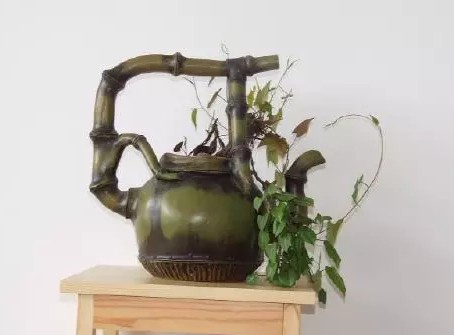
How to Build a Trellis and Prune a Fleeceflower Root (He Shou Wu) Bonsai? A Full Breakdown of Practical Tips
Many people know that He Shou Wu (fleeceflower root, Fallopia multiflora) is a medicinal plant with multiple functions such as tonifying essence and blood, darkening the hair and beard, strengthening the bones and muscles, and nourishing the liver and kidneys. In fact, it is also an excellent ornamental plant, and its ancient-looking, richly varied tuberous roots, lush vines, and delicate leaves can be used to create bonsai.
-
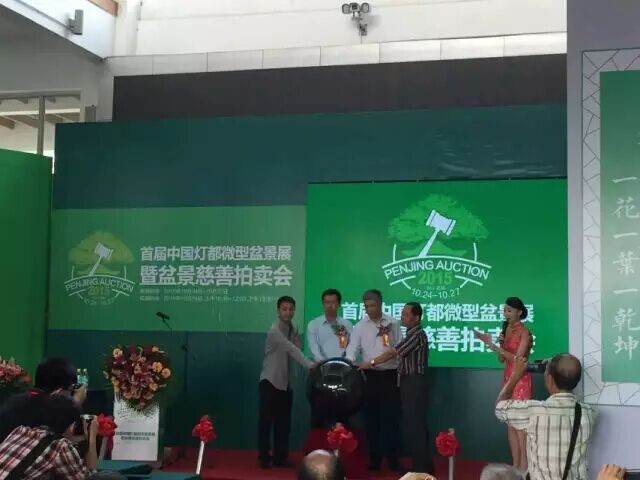
Building a Lingnan bonsai information interactive platform to inherit culture
Riding on the momentum of the Ancient Town Lighting Culture Festival, the 2015 First China Lighting Capital Miniature Bonsai Exhibition and Bonsai Charity Auction kicked off. Hosted by Zhongshan Huamu City Landscape Co., Ltd., and co-organized by the Ancient Town Flower and Nursery Stock Association, Yun Master Brand Strategy Agency, and Guangdong Xiaoyazhai Auction Co., Ltd.
-
What should you do if tartar builds up on dental implants?
Dental implants are close to natural teeth, and doctors generally recommend implants for middle-aged and older adults. Dental implants can restore oral function and make oral hygiene and cleaning convenient. However...
-
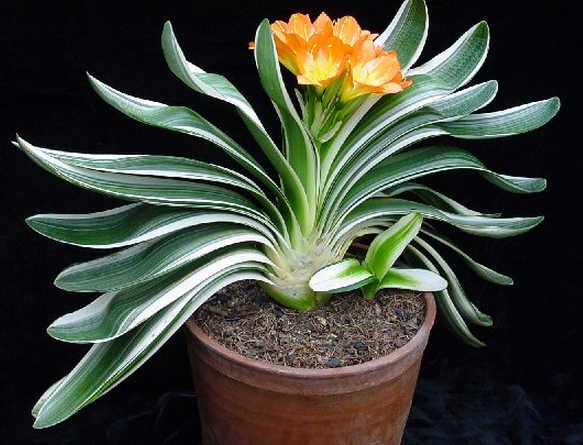
Grow Clivias Well by Building a Strong Foundation: Seedling Cultivation Methods for Clivias
When doing anything, you should lay a solid foundation, and the same goes for growing flowers. Take the clivia as an example: if you want it to bloom and look beautiful, you must put in some effort, and you should start cultivating it properly from the seedling stage.
-

Schumacher may become a vegetative state patient, wife plans to spend over a hundred million yuan to build a high-grade sickroom
From his injury on December 29 last year to now, Schumacher has been in a coma for a full three months, and Corinna has been by the side of the racing king in a hospital in France. Although former F1 doctor Hartstein believes that fans should prepare for the worst and said that Schumacher's condition was misdiagnosed
-

Fine Management Techniques for Cotton at the Seedling Stage to Build a Solid Foundation for High Yield
Cotton seedling-stage management is crucial, as it directly determines whether the cotton can build a good framework for high yield and whether the reasonable transition from vegetative growth to reproductive growth can be properly adjusted. The principles of seedling-stage management are: first ensure a full stand, and on this basis cultivate strong seedlings and promote early seedling development. The key points of seedling-stage management are: check the seedlings promptly after sowing, and if rotten sprouts or rotten seeds are found, reseed in time. Thinning and final thinning: thinning can be done in two rounds. The first is after the seedlings emerge evenly, keeping strong seedlings and pulling out weak and diseased ones. The second is at the 1-2 true leaf stage, and final thinning is at the three-leaf stage, when the base of the stem has already become lignified and its ability to resist adverse environments has increased. Intertillage: through intertillage, soil temperature can be raised, water evaporation reduced, root growth promoted, strong seedlings cultivated, and early development encouraged. At the seedling stage, intertillage is generally carried out 3 times. The first is at the cotyledon stage, together with thinning. Early intertillage can raise the soil temperature around the seedling roots, promote early root development and increase absorptive capacity, so that true leaves emerge earlier and seedling stress resistance is enhanced. It can also break up soil compaction and help preserve soil moisture. The depth of this intertillage is 4-5 cm. At this time it is already June, the temperature is rising, the root system is already relatively strong, and aboveground growth is accelerating. Deep intertillage can disperse surface soil moisture, promote roots to go deeper, and control internode length, which is even more important in relatively fertile cotton fields. Fertilization: growth at the seedling stage is relatively slow, and topdressing should be based on seedling condition, applied early, lightly, or not at all. Irrigation and drainage: in single-crop cotton fields in northern cotton regions, if enough pre-sowing moisture irrigation has been applied, do not water at the seedling stage; do a good job of intertillage and moisture conservation. If watering is truly needed, then water lightly with a small amount, irrigating every other furrow, and after watering carry out intertillage to conserve moisture, improve aeration, and raise soil temperature. At the seedling stage, the suitable field capacity of the soil is 55%-70%. Disease and pest control: the main diseases and pests of cotton at this stage are cotton Fusarium and Verticillium wilt, cotton aphids, cotton bugs, cotton bollworms, cotton red spiders, and so on.
-
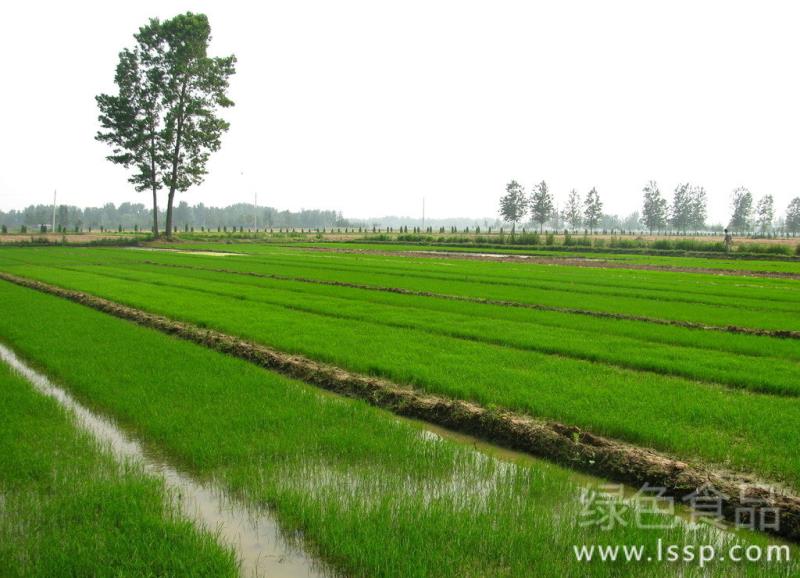
Detailed Explanation of Improvement Methods and Fertility-Building Measures for Saline-Alkali Paddy Fields
Improvement Methods and Fertility-Building Measures for Saline-Alkali Paddy Fields
-
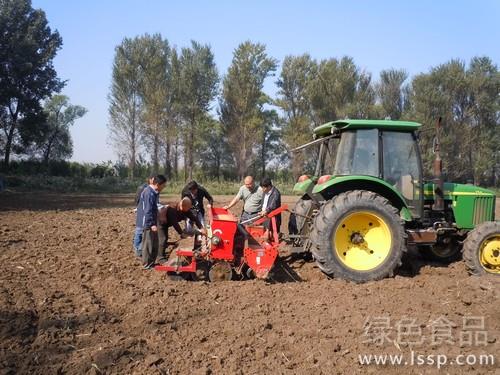
Wheat autumn sowing: control pests and diseases, improve sowing quality, build a good framework for high yield
Control pests and diseases, improve autumn sowing quality, build a good framework for high wheat yield
-
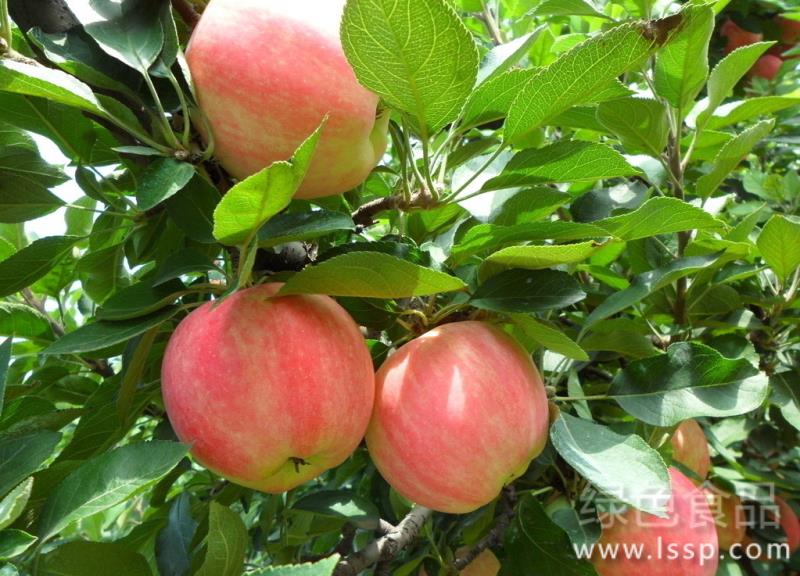
Comprehensive Winter Management Techniques for Apple Trees: Building Strong Tree Vigor Is Key
Building Strong Tree Vigor: Comprehensive Winter Management Techniques for Apple Trees
-
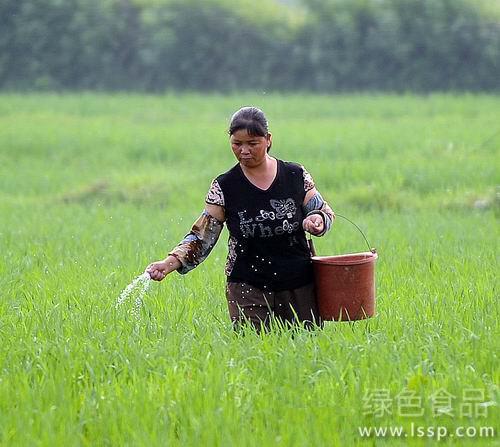
Strengthen fertilizer and water management and control pests and diseases in September for late rice to build a good high-yield seedling framework
Strengthen fertilizer and water management and control pests and diseases in September to build a good high-yield seedling framework for late rice
条件筛选