-
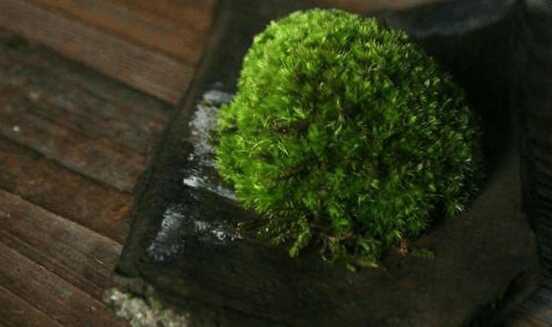
Discarded blue tiles can be found everywhere, and with simple combinations you can make a unique moss bonsai
Moss is the lowest green small plant, with no flowers, no seeds, reproducing by spores. With the emergence of micro landscapes in recent years, many friends have started making their own moss bonsai, but some friends say it is not good, so today, the flower will give...
-
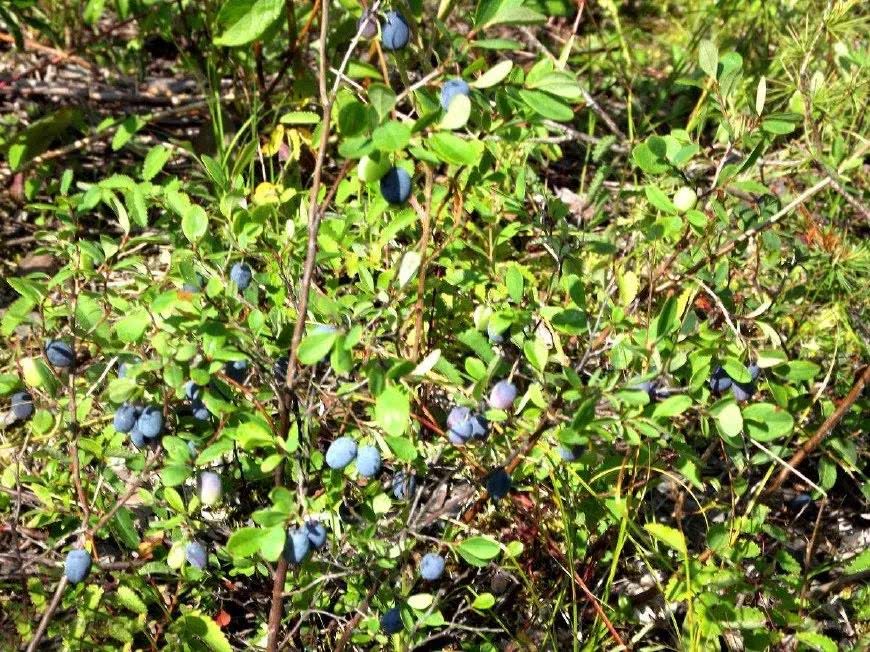
The blue wild berry in the forest is called the king of berries, and at 40 yuan per jin it is very rare
Friendly reminder: Hemu Report aims to share and popularize information about various plants and their uses, for reference only. If medicinal use is needed, it is recommended to consult a professional doctor to avoid problems! Friends living in rural areas, towards the various wild grasses in rural fields...
-
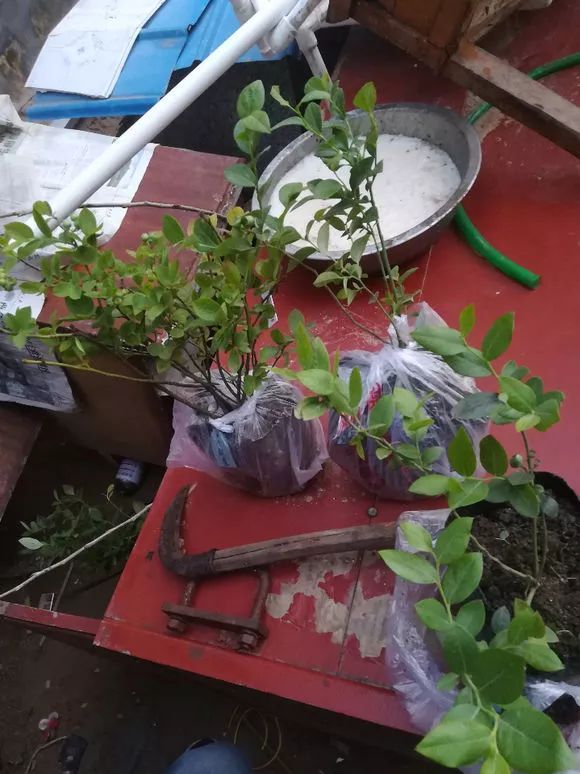
Growing blueberries on the balcony: one little trick makes the fruit set in clusters bigger than ping-pong balls
Blueberry fruits contain a large amount of anthocyanins, which help prevent brain nerve aging, protect eyesight and strengthen the heart, and they taste fragrant, sweet and tart. They are one of the healthiest fruits recommended by health organizations. A small box of blueberries is very expensive, so you can...
-
How to care for blue plumbago (Plumbago auriculata) so it bursts with blooms? A full guide to care tips
The soil it lives in needs to be slightly acidic, and the temperature we give it needs to be in the range of 17 to 26. We need to place it in a sunny spot, and when it is growing vigorously, we need to water it more. During the growing period, we need to fertilize once every 15 days, and in spring we need to repot it once. In addition, pruning can help it grow better.
-
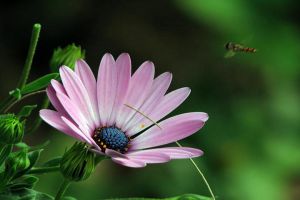
Reasons for Yellowing Leaves on Blue-Eyed Daisy (African Daisy) and How to Fix Them
For this phenomenon, there are mainly three reasons. The first is water: too much or too little has the same consequence, and both can turn the leaves yellow. So, depending on the different cause, the first task is to adjust the amount of water. The second is fertilizer. Here we mainly mean that its concentration is too high or the amount is too much. To address this, what we need to do is control the amount and adjust the concentration. The third is light. If there is too little light, then there will be less chlorophyll, and the leaves will turn yellow. So, providing it with sufficient light may ease the phenomenon.
-
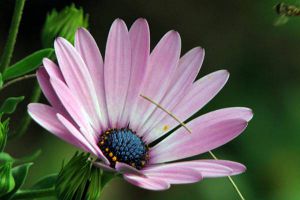
How to water the blue-eyed daisy (Arctotis)? The correct method explained clearly in one go
In summer, choose the cooler morning and evening hours to water; in spring and autumn, water at 9 a.m., 3 p.m. or in the evening; in winter, water at the warmer midday. Each time you water, water thoroughly, and be careful not to let too much water touch the stems, but do not let water accumulate either. After watering, it is best to move it to a cool, ventilated spot to slow down water evaporation. If water accumulates in the pot, promptly pour out the excess water or simply repot it, otherwise root rot will kill the plant.
-

What are the characteristics of Selaginella uncinata? A complete guide
Selaginella uncinata (peacock moss) has stems that creep along the ground and trail, extremely slender and soft, with adventitious roots often growing at the branching points, and many branches. The small leaves are ovate, and the sporophylls are ovate-triangular. The leaf color is blue-green, its main stem is slender and brownish-yellow, and the lateral branches that grow out bear tiny scale-like leaflets.
-
Introduction to the Echeveria 'Chulian' (First Love) Succulent Variety
I am an Echeveria of the Crassulaceae family and I have a beautiful name - First Love. Summer is my favorite season. Under different sunlight conditions I can be pink, blue-green, or pale yellow. I am a small to medium-sized variety in the Echeveria genus.
-
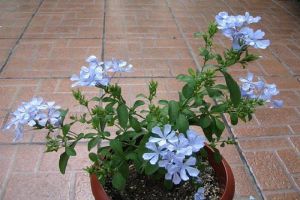
How to care for blue plumbago (Plumbago auriculata) in winter? Master these methods to get it through the winter safely
I wonder if you have ever heard this lovely flower's name; it instantly brings to mind blue, sparkling, glistening snowflakes. To be honest, plants with beautiful names often live up to them quite well, and the feeling they give people is also quite pleasant. But beautiful flowers are delicate, and it is hard to say how they should fend for themselves in winter. Of course, this depends on the owner's wishes, so let us briefly introduce how to care for this flower in winter.
-
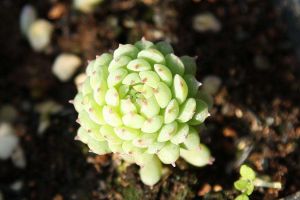
What is the difference between Little Red Cloak and Little Blue Cloak?
Just from the names of these two plants, you get the feeling of a pair of fraternal twins. They both belong to the Crassulaceae family of succulents, and are a type within the Echeveria genus. So where exactly do they differ? Is it really just a difference in color, as their names suggest? Let's take a look together.
条件筛选