What are the characteristics of Selaginella uncinata? A complete guide
Alternative names of Selaginella uncinata
Dragon whiskers, blue grass, blue ground cypress, green velvet grass, stretching-foot grass, rotten-skin snake
Morphological characteristics of Selaginella uncinata
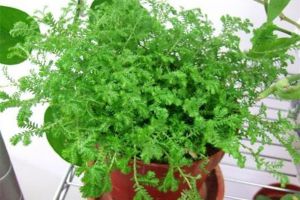
Selaginella uncinata is a medium-sized creeping fern. The main stem creeps along the ground, about 1m long, with sparsely growing branches. There are adventitious roots at the nodes, and the leaves are ovate, sparsely arranged in two rows. It forks many times. The vegetative leaves are of two types, in two rows each on the back and belly; the belly leaves are long-ovate, and the back leaves are oblong, entire, spreading flat to both sides. The sporangium spikes are four-angled, and the sporophylls are ovate-triangular, arranged in four rows in an imbricate pattern.
Growth habits of Selaginella uncinata
It grows under mountain valley forests at an altitude of 40-1000m, in humus-rich soil or among shady, damp weeds by streams, as well as in rock caves, on wet stones or in stone crevices. It prefers a warm, humid, semi-shady environment. When growing it in pots, pay attention to the drainage of the potting soil and avoid prolonged direct sunlight.
Main value of Selaginella uncinata
Ornamental: Selaginella uncinata has finely dense fronds and gives off a sapphire-like luster, extraordinary and lovely, and can be used to accent a desk or low table. Its plant form is unusual, with fronds resembling cloud patterns, evergreen in all four seasons, and with a blue-green fluorescence, elegant and beautiful. It is a small foliage plant, and potted plants are suitable for display on desks, windowsills and other places.
Pot cover: Because the stems and branches of Selaginella uncinata are creeping, it is an ideal covering material for the surface of orchid pots.
Medicinal: Functions and indications: clearing heat and promoting diuresis, stopping bleeding, and relieving cough. Used for acute icteric infectious hepatitis, cholecystitis, enteritis, dysentery, nephritic edema, urinary tract infection, rheumatic joint pain, and hemoptysis from pulmonary tuberculosis; for external use, it treats boils, burns and scalds, traumatic bleeding, and bruises.
Related Articles
- How to prevent and control pests and diseases on desert rose? Ventilation and dryness are the key to prevention
- The three main causes of cotton diseases: climate, seeds and cultivation
- How to Grow Bird's Nest Fern in Water? Master Temperature, Light, and Water Change Techniques
- A Complete Guide to Identifying and Controlling Common Potted Flower Pests
- Do Carnivorous Plants Need Watering? Pot Watering and Wet/Dry Assessment Methods
- How to manage cotton during the flowering and boll-setting stage? Apply flowering and boll fertilizer heavily, use chemical regulation and pruning to prevent premature senescence
- How to Grow Chinese Hibiscus? Master These 5 Key Points for Blooms All Year Round
- How to Grow Tulips in Water? The Complete Process from Bulb Preparation to Blooming