-
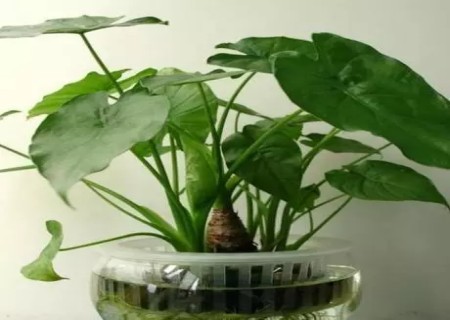
How to grow Alocasia macrorrhizos hydroponically? Detailed hydroponic method
The scientific name of Alocasia macrorrhizos is Alocasia macrorrhizos, also called Guanyin lotus, wild taro, etc. It belongs to the Araceae family, Alocasia genus. It is native to southern and southwestern China. Hydroponically grown Alocasia macrorrhizos has leaves as large as canopies, is evergreen all year round, and the plant can reach more than 1 m in height, with high ornamental value. When Alocasia macrorrhizos blooms, viewed from afar
-
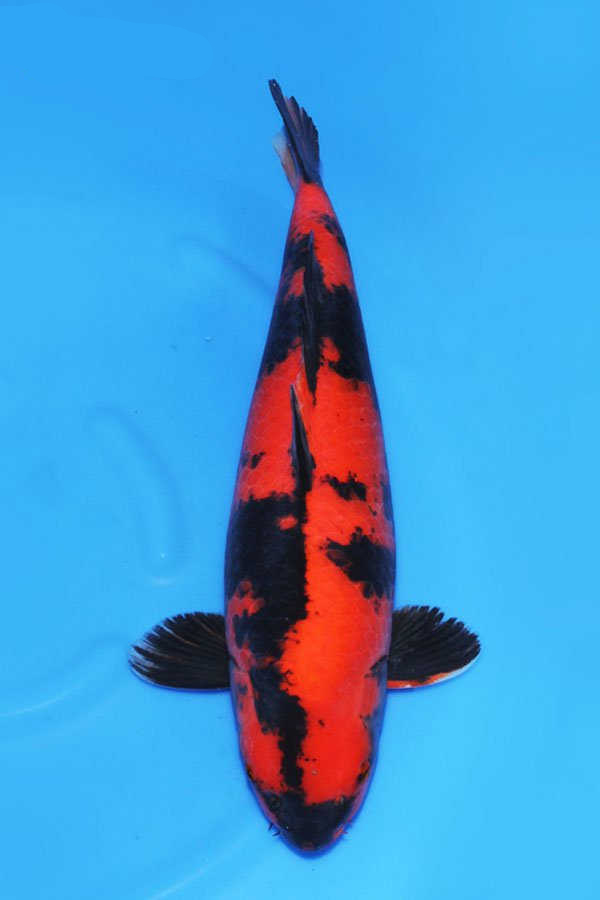
How Often Should You Change the Water for Japanese Koi? A Single Fish Priced at 600,000 Yuan Is Trending Among Asia's Wealthy
Japanese koi are trending among Asia's wealthy, with a single fish priced at 600,000 yuan. Click "International News Express" to subscribe for free. [Comprehensive report by Huanqiu.com] Japanese koi, known as "living gems of the water," have recently been growing in popularity among the wealthy across Asian countries. According to a report by Yonhap News Agency on August 30, ...
-
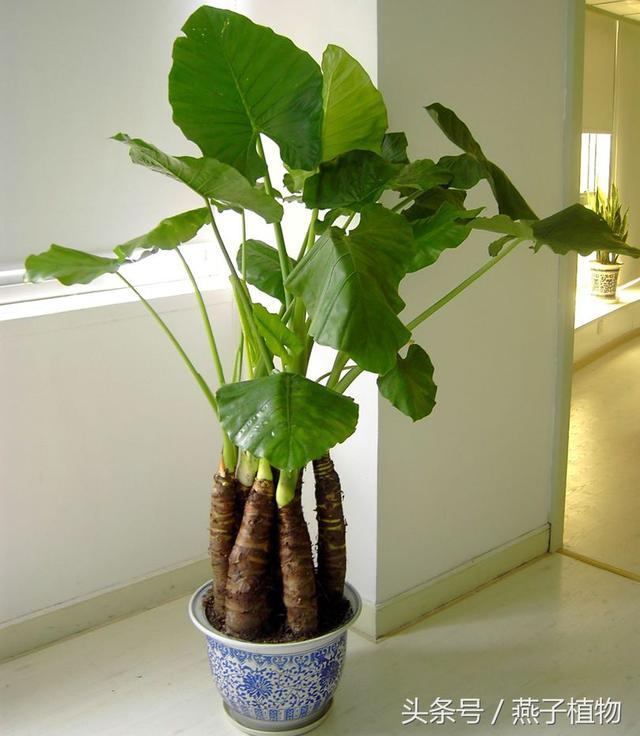
How to grow Alocasia macrorrhizos (Drip Guanyin)? A guide to its cultivation methods
Drip Guanyin is lovely and beautiful, but it is poisonous and cannot be touched. How do you grow it properly? The potted plant to be discussed today is called begonia. The reason everyone calls it Drip Guanyin is that after the leaves condense, water droplets drip down from the leaf tips, and so it is called "Drip Drip Guanyin". In addition
-
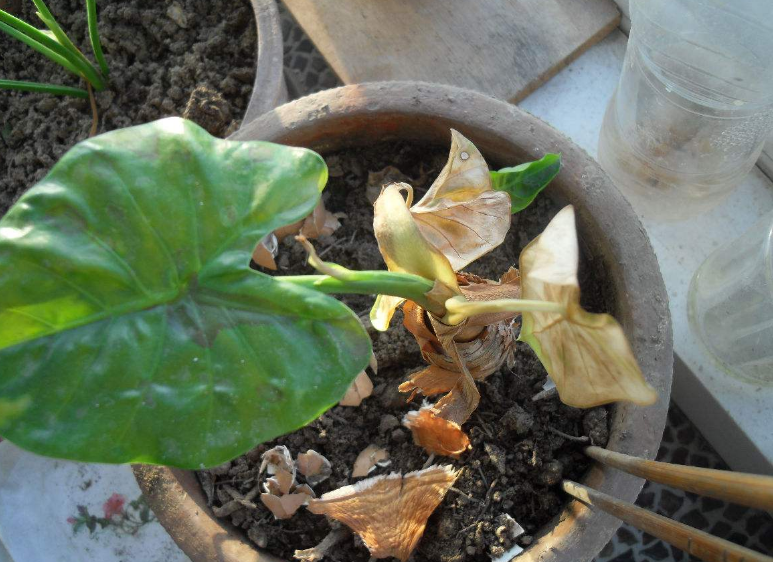
What to do when Alocasia (drip-tip Guanyin) leaves turn yellow and growth declines after being kept for a long time
Drip-tip Guanyin, also called Alocasia (Alocasia macrorrhizos), is a very good ornamental plant. Its flowers look like Guanyin, which is why it is called drip-tip Guanyin. It likes warm and humid environments. However, keeping drip-tip Guanyin at home, especially indoors, also requires attention to many aspects, otherwise the leaves will turn yellow and the plant will grow very weak, and it might even die on you.
-

Is the Elephant Ear (Alocasia) poisonous? Extra care is needed for home care
The scientific name of the Elephant Ear is Alocasia macrorrhizos. The white sap in its stem and the water it drips are both toxic. Accidental ingestion can cause throat discomfort and even suffocation and death. This article introduces the aliases, characteristics and safety precautions for caring for the Elephant Ear. Households with children should be cautious about keeping it.
-
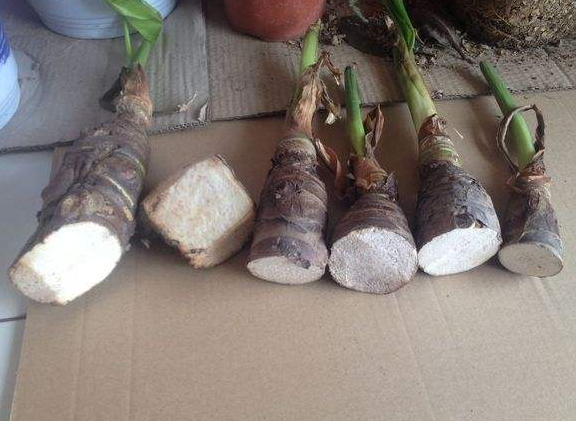
What to Do If Your Alocasia macrorrhizos (Giant Taro) Has Root Rot? I'll Show You the Right Way to Handle It
Alocasia macrorrhizos is prone to root rot in summer, mainly caused by soil that is too wet. Pull the plant up, cut off the rotten roots, and wear rubber gloves while cutting the roots (Alocasia macrorrhizos is toxic! Those with skin allergies should be careful.), and cut away a little of the healthy tissue near the rotted part
-
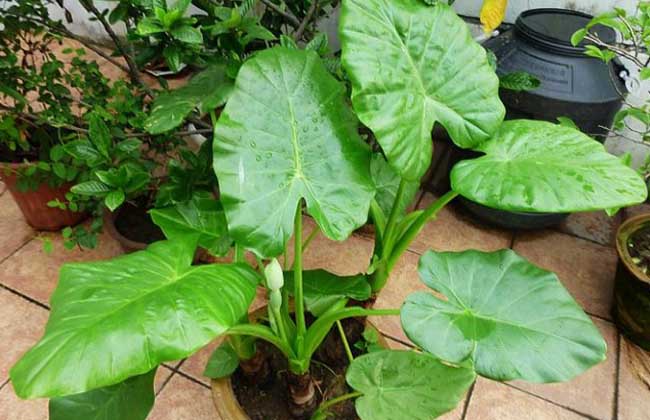
What to Do When Alocasia (Dumb Cane) Leaves Turn Yellow and Roots Rot? Causes and Solutions
When Alocasia leaves turn yellow, dry soil and lack of water can easily cause the leaves to wilt and turn yellow. Solution: During the vigorous growth period from May to September, water once every 2 days, and at the same time, spray more water on the plant surface to increase humidity. In a water-rich, moist environment, Alocasia drips water from its leaf tips and edges
-

Eurasian Otter on the Brink of Extinction: Current Population and Conservation Status at a Glance
With big eyes and a slender body that nimbly twists and turns in the water, the Eurasian otter from Kinmen is a star animal at Taipei Zoo. Streams in mountainous areas below 1500 m across the whole of Taiwan, China were once Eurasian otter habitat; however, now only the Kinmen area
-
2019 Hydroponic Alocasia macrorrhizos Cultivation Methods Cultivation News China Laying Hen Information Network, How to Grow the Toxic Alocasia macrorrhizos? Complete Guide to Alocasia macrorrhizos Cultivation Methods and Precautions
Alocasia macrorrhizos is a perennial evergreen herbaceous plant, and its place of origin is China. It likes to grow in warm and humid environments, so it is very suitable for growing at home, and it also has high ornamental value. However, many people do not know how to grow Alocasia macrorrhizos. In fact, Alocasia macrorrhizos not only has a name full of Zen meaning and vitality but also tenacious and sturdy vitality, so many flower enthusiasts grow it at home. But have they really grown it well? In fact, whether a potted plant is grown well mainly depends on whether its branches and stems are strong enough [more]
-
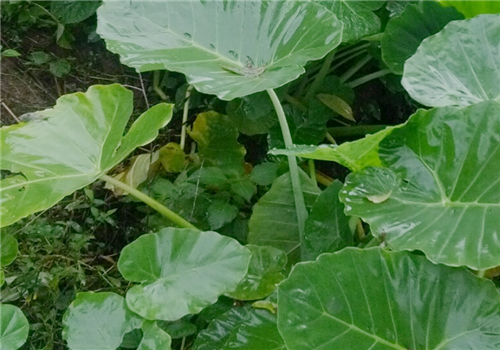
How many ways are there to grow Alocasia? Detailed explanation of its toxicity and air purification
Alocasia (Alocasia macrorrhizos) is a green plant that many people have heard of but are not very familiar with. Its scientific name is Alocasia macrorrhizos, and "Dishui Guanyin" is its commercial trade name. As a large ornamental plant, Alocasia has many eye-catching characteristics. So how many ways are there to grow Alocasia? Can it purify the air?
条件筛选