-
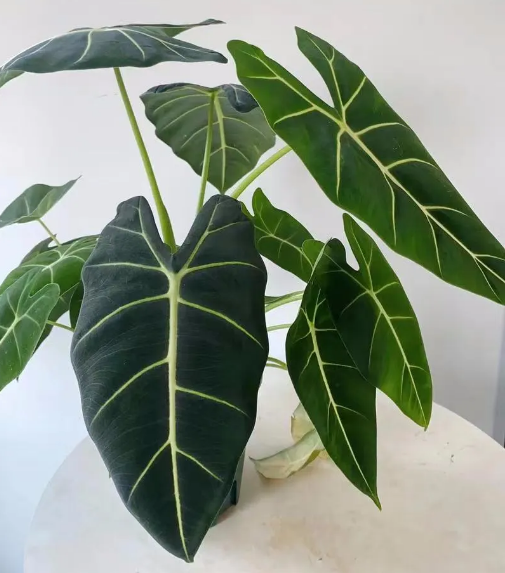
Maintenance methods and precautions of Alocasia 'Black Swan'
Alocasia 'Black Swan', as a perennial tropical herbaceous plant of the genus Alocasia in the Araceae family, is deeply loved by people for its unique form and
-

Is the Alocasia macrorrhiza poisonous?
Alocasia macrorrhiza, a common indoor foliage plant, is loved by many families for its unique form and good air purification effect. However, before
-
What to Do When Alocasia Leaves Turn Yellow? A Detailed Look at Its Toxicity
What to Do When Alocasia Leaves Turn Yellow: Is Alocasia Toxic?
-

2021 Asia Esports Open concludes, Shangshan Ruoshui wins championship and a million-dollar prize
(Taiwan TB News Network / Reporter Sun Yaozhang) New Taipei's annual esports extravaganza, the "2021 Asia Esports Open," kicked off in July with more than 6,200 skilled players taking part. After fierce competition, the results of the "League of Legends" grand final finally came out on the evening of September 5, with "Shangshan...
-
What causes yellowing leaves on Alocasia? Four prevention and treatment tips
Reasons for yellowing leaves on Alocasia and four prevention and treatment tips
-
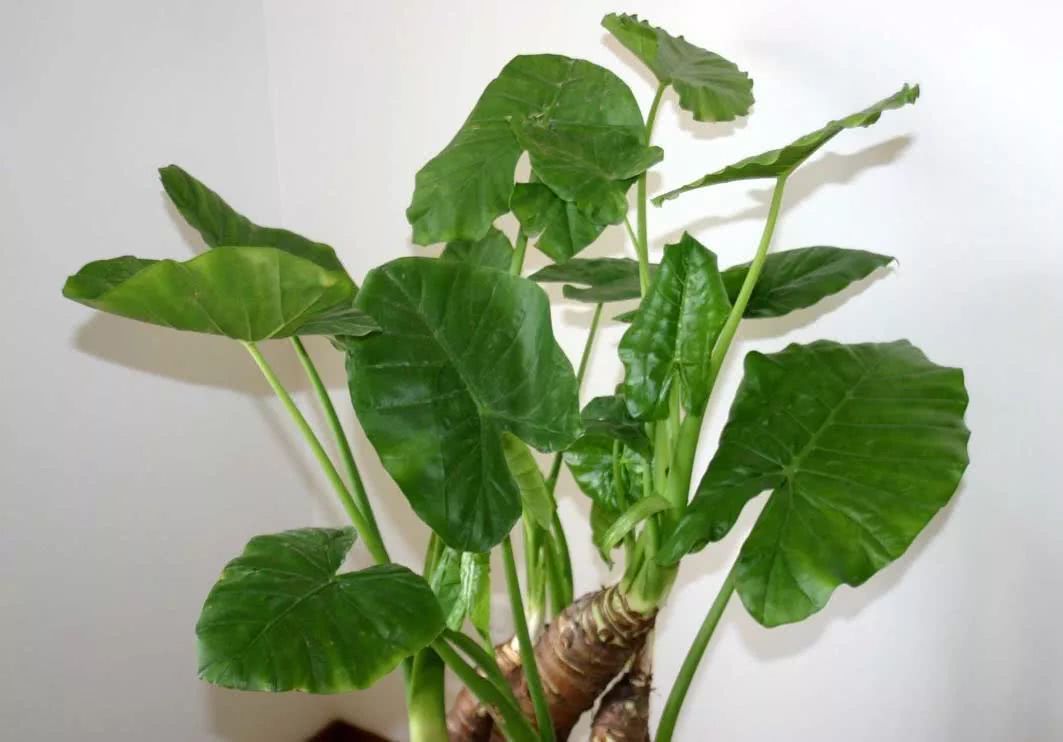
Tired of growing Alocasia macrorrhizos in soil? Try hydroponics
Alocasia macrorrhizos, also called giant taro. Because its leaves are covered with "stomata" and "water pores", when the outside temperature is higher and the humidity is greater, the water expelled from the water pores gathers at the leaf tips or edges of the Alocasia macrorrhizos leaves, thus forming...
-

The snakehead Channa asiatica is a prized tonic fish in South China.
Channa asiatica belongs to the order Perciformes, suborder Anabantoidei, family Channidae, genus Channa. Common names: in Guangdong it is called qixing fish, shanhua fish, shanban fish, diancheng fish, chengxing fish, and xingguang fish; in Guangxi it is called xing fish and zhanggong fish; in Taiwan, China it is called youdai. English names: Snakehead, Chinafish. Its form resembles the spotted snakehead. The head is large, wide and flat, the snout short and bluntly rounded, the mouth large, and the nasal tubes thick, extending forward beyond the upper lip. The scales are relatively large, and the scales on top of the head are enlarged but irregular; the scales on the sides of the head are also relatively large. Dorsal fin and anal fin
-
What are the pest and disease control methods for Alocasia macrorrhizos?
The most common pests and diseases of Alocasia macrorrhizos are red spider mites and aphids. The symptoms are yellowing leaves, white spots on the surface, a weak and spindly plant, and webbing on the leaves. For treatment, you can wipe the leaves with a cloth dipped in mild soapy water, cleaning both the underside and the top, then rinse with clean water. For large pots, you can use a spray bottle to clean them.
-
How to Grow and Care for Elephant Ear (Alocasia) as a Houseplant, and Precautions
Elephant Ear (Alocasia) is a common indoor plant, a perennial herbaceous plant with fairly thick stems, and it has a noticeable effect on removing dust. However, when growing it we should pay attention to its toxicity, and special care is needed if there are children at home.
-
How to grow Ranunculus asiaticus? Growth habits and cultivation methods of this perennial herbaceous flower
Ranunculus asiaticus, also known as celery flower, Persian buttercup, and lotus flower, is a perennial herbaceous plant of the genus Ranunculus in the family Ranunculaceae. It is native to southeastern Europe and southwestern Asia. It has a low, compact form, bright colors, upright flower stems, and beautiful and unique flower shapes. It is suitable for planting under trees or on the north side of buildings, and is very popular with consumers.
条件筛选