How many ways are there to grow Alocasia? Detailed explanation of its toxicity and air purification
Alocasia (Alocasia macrorrhizos) is a green plant that many people have heard of but are not very familiar with. Its scientific name is Alocasia macrorrhizos, and "Dishui Guanyin" is its commercial trade name. As a large ornamental plant, Alocasia has many eye-catching characteristics. So how many ways are there to grow Alocasia? Can it purify the air? Is Alocasia toxic?
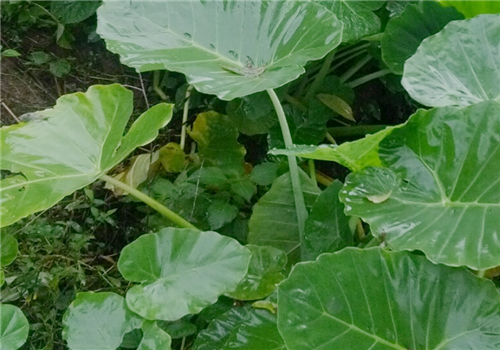
I. How to grow Alocasia
1. Soil selection
The survival of a plant is related to its soil. For the soil choice for Alocasia, you can generally have the shop prepare the mix at the flower market where you buy it. You can use leaf mold and river sand mixed with a small amount of nutrient soil, or you can choose hydroponics. Whether hydroponic or soil-grown, you must pay attention to repotting, otherwise as the plant grows larger, the original pot will no longer be able to hold it and the plant's rhizome will be damaged.
2. Temperature and light
Plants are quite sensitive to temperature, and the temperature level directly affects the survival rate of Alocasia. A ventilated balcony or courtyard at home can both be used to place Alocasia, and the temperature is generally suitable between 18-25°C. If the summer temperature is too high, you can choose to water more and move the plant back indoors for cooling. Just keep good ventilation and air humidity at all times, and take cold protection measures in winter.
3. Watering and fertilizing
Alocasia absorbs a lot of water, but too frequent watering can cause the rhizome to rot. When watering Alocasia, you must control the amount of water well and not over-irrigate. Alocasia does not need much watering in winter, and we generally choose to move it indoors in autumn. Fertilizing can be done once a month, and suitable fertilizer can be purchased at the flower market.
4. Pruning of branches and buds
Because its leaves are large enough, Alocasia is a foliage plant, so its leaves must be kept green and healthy. When the leaves of Alocasia turn yellow or wither, first figure out the cause before rescuing it. You can cut off these damaged leaves to avoid damaging its overall appearance.
II. Can Alocasia purify the air?
1. Like pothos, Alocasia is recommended by sellers at flower markets. It is a green plant first chosen to be placed in a new home to absorb formaldehyde after renovation, and it has a certain effect on purifying the air.
2. Alocasia can absorb carbon dioxide in a room, take in toxic gases, and release oxygen. It has a very good effect in small living spaces with poor air circulation.
3. In areas of northern China with more severe smog, Alocasia can play a role in regulating smog. Alocasia has an auxiliary effect on absorbing harmful substances in the air. Besides the derivative products on the market for removing formaldehyde, green plants also have great effects.
III. Is Alocasia toxic?
Alocasia is toxic, and we should view the toxicity of plants dialectically. The stems and leaves of Alocasia and the water it drips are toxic, because the stems and leaves contain alkaloids, so never eat them, to avoid poisoning or bodily harm. As for the water dripping from Alocasia, because it has absorbed the carbon dioxide we mentioned and harmful substances in the air, the water droplets are toxic, so just do not drink them.
Note: Alocasia is not highly toxic, so keeping it at home is not a problem. If there are children or pregnant women at home, you can choose to grow it in the courtyard to avoid causing discomfort to family members.
The above is the knowledge related to Alocasia summarized and compiled by Tuliu.com for you. We hope it is helpful to you who like green plants.