-

Is the elephant ear taro poisonous, and how is it different from Alocasia macrorrhizos (giant taro)?
Elephant ear taro, also known as taro or giant upland taro, is indeed poisonous. The whole plant contains strong toxins, especially the underground stem, where the toxicity is particularly intense. The alkaloid substances contained in elephant ear taro are the main source of its toxicity; these substances can bind to nerve cells in the body, interfere with the normal function of the nervous system, and then produce a
-

Detailed Explanation of the Endangered Causes of the Elephant Ear Orchid and Its Division Propagation Method
The elephant ear orchid, a rare species among orchids, is currently in an endangered state, and the reasons behind this deserve our in-depth discussion and reflection. First, excessive collection by humans is one of the key factors leading to the endangerment of the elephant ear orchid. This unrestrained collection has greatly reduced the population of the elephant ear orchid in its natural environment.
-
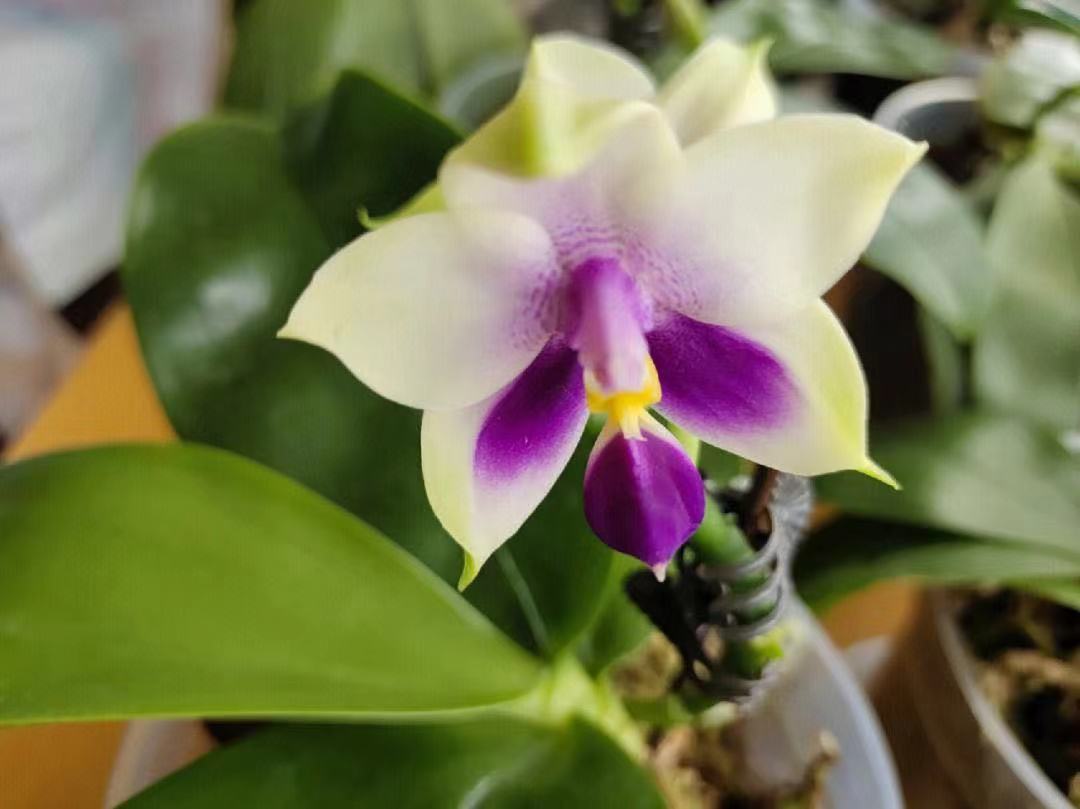
What are the reasons for the endangerment of Elephant-ear Orchid?
The Elephant-ear Orchid, as a rare species among orchids, is currently in an endangered state, and the reasons behind it deserve our in-depth exploration and
-

What to Do When Elephant Ear (Alocasia) Has Root Rot? A Detailed Guide to the Latest Treatment Methods
The cultivation methods for elephant ear (Alocasia) can be divided into two types: soil culture and water culture. No matter which cultivation method is used, elephant ear is very easy to keep alive, but if it is not cared for properly, problems such as root rot can still occur. So what should you do when elephant ear has root rot?
-
A Detailed Guide to Growing and Caring for Alocasia (Elephant Ear)
Alocasia (Elephant Ear) is a common indoor plant, a perennial herb with fairly thick stems, and it has a clear effect on removing dust. However, when growing it we should pay attention to the toxicity of Alocasia; if there are children at home, special care is needed.
-
Is the Elephant Ear (Alocasia) Poisonous? Learn About Its Toxicity Before Growing It for Peace of Mind
Alocasia (Elephant Ear) is a common household plant. The plant is beautiful and elegant, and when the air humidity is high, water droplets will even fall from the leaf tips, which is very lovely. But many people ask the editor: I heard that Alocasia is poisonous, is it really true? Alocasia has many benefits
-
Why Are the Leaves of the Elephant Ear Turning Yellow? Causes and Control Methods
The leaves of the elephant ear (Alocasia macrorrhizos) are very large, very beautiful in appearance, and water droplets will drip from the leaves. In daily cultivation, careful attention is needed, otherwise the leaves may turn yellow, affecting the ornamental quality of the elephant ear, so elephant ear leaves turning yellow
-
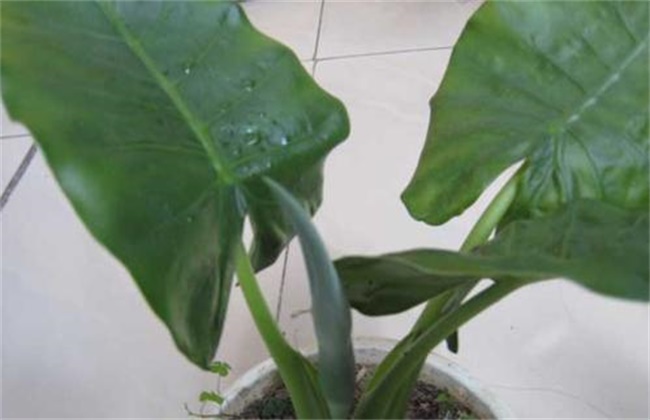
Why Are the Leaves of the Elephant Ear (Alocasia) Drooping?
Why do the leaves of the elephant ear droop?
-
-
条件筛选