-
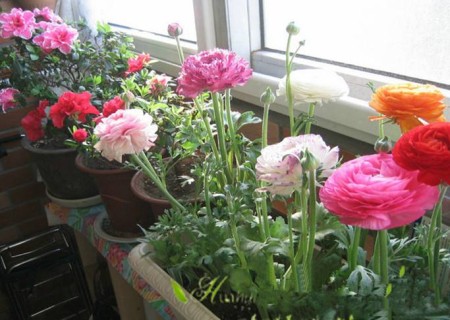
When to sow Ranunculus asiaticus? Detailed potted sowing method
Ranunculus asiaticus, also called celery flower, before any flower blooms, gardening friends like to call it "pretending to be a vegetable," but this guy looks like a vegetable even without pretending. Anyway, before the Ranunculus asiaticus that Mochou grows on the terrace bloomed, my mother-in-law kept muttering, why plant such a big pot of celery for no reason, I almost got smacked! It is a cool-season flower
-
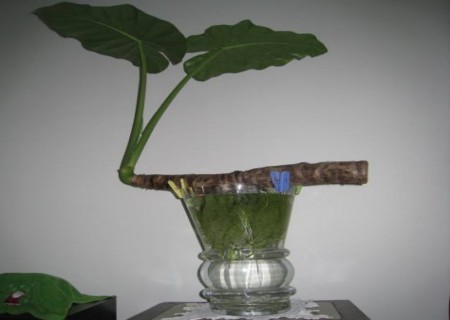
Detailed Guide to Propagating Elephant Ear (Alocasia) by Stem Cutting
Elephant ear (Alocasia) easily immerses people in a warm dream, many people love its large, fat, emerald-green leaves and enjoy watching water droplets roll on the leaves, so after being grown in water in a large container it is suitable for placement in a corner of a hall, living room or leisure bar
-
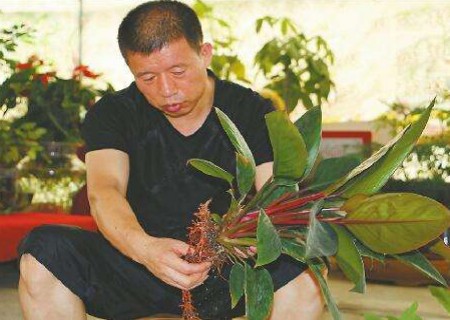
Detailed Guide to Propagating Alocasia (Dripping Guanyin) by Root Division, Easily Grow New Plants
Alocasia (Dripping Guanyin) is an indoor foliage plant. Foliage plants have relatively large leaves, so their transpiration is stronger; with a high transpiration rate, more moisture is released into the air. Dry weather leaves everything in a state of water shortage, so keeping a pot of Alocasia at home this season
-
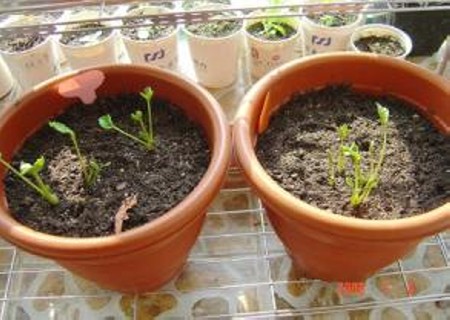
When to sow Persian buttercup (Ranunculus asiaticus)? A detailed guide to the best sowing time
Persian buttercup (Ranunculus asiaticus) can be grown in pots from young plants obtained by sowing seeds, dividing tubers, or tissue culture. Sowing is often easily affected by temperature depending on the time chosen, and sowing times also differ across different regional environments. So, when should Persian buttercup be sown?
-
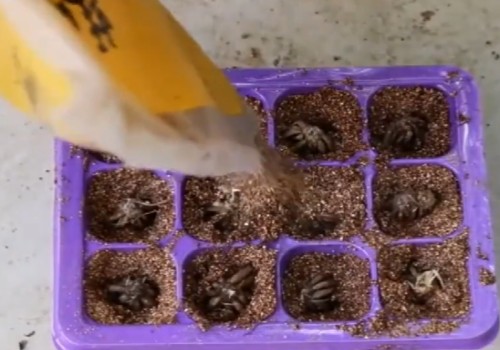
A detailed guide to sowing Ranunculus asiaticus: even beginners can learn it easily
Ranunculus asiaticus, also known as Persian buttercup, not only has many varieties and rich flower colors, but also blooms in a very showy and fragrant way, with especially high ornamental value. It can be used for cut flowers or grown in pots, and both bring us a delightful enjoyment. Moreover, Ranunculus asiaticus is a flowering plant that can bloom and set seed
-
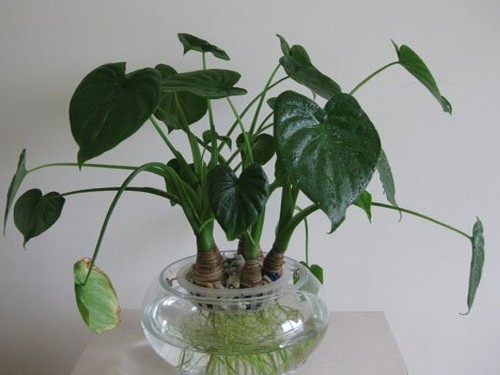
Causes of and Solutions for Root Rot in Water-Cultured Dieffenbachia (Alocasia macrorrhizos)
Many gardening enthusiasts run into the problem of root rot in water-cultured Dieffenbachia. In fact, this situation mostly arises because enthusiasts do not understand water-cultured plants well enough. Many enthusiasts think that simply putting the plant's roots into water is enough, but this is actually wrong. Water-cultured plants must go through a series of steps such as root washing, disinfection
-
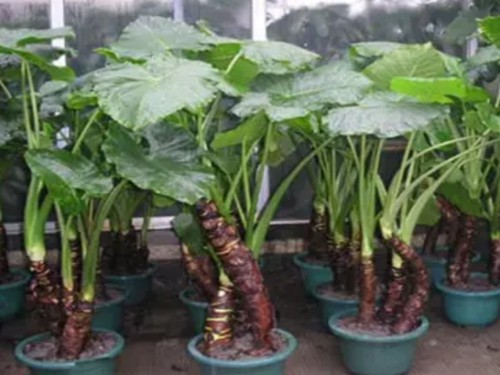
What to Do If a Potted Giant Taro (Alocasia) Has Root Rot? Detailed Treatment Methods
"Dishuidian" is a commercial name; it is also known as "Dishui Lian" and "Foshou Lian," and other common names include Henyutou, Langdu (Guangdong), wild taro, mountain taro, big-root taro, big-worm taro, Tianyu, Tianmeng, and so on. What is called "calla lily" in Taiwan, China actually refers to Alocasia macrorrhizos. So what should you do if the giant taro has root rot? Giant taro is prone to root rot in summer.
-
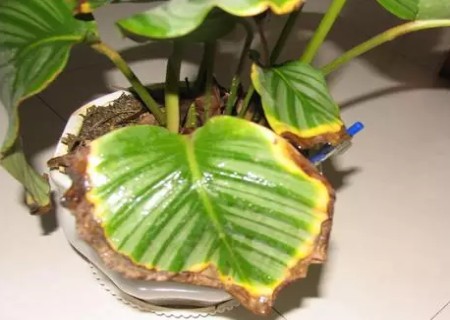
Causes and solutions for yellowing leaves on potted Alocasia (Dripping Guanyin)
Gardeners who have grown Alocasia (Dripping Guanyin) know it is easy to care for, but what should you do when its leaves occasionally turn yellow? First, you need to identify the cause of the yellowing leaves, then treat the problem accordingly. Based on feedback from gardeners in the past and the characteristics of Alocasia
-

Preparation and Use of Nutrient Solution for Hydroponic Alocasia (Dumb Cane)
Hydroponically grown plants generally grow weaker and much more slowly than those grown in potting media, and this is normal. Hydroponic plants are attractive and clean, and in homes they are mostly used to decorate the interior, so slower growth is actually just right for maintaining their ornamental effect over the long term. Using nutrient solution for hydroponic plants is somewhat troublesome.
-
How to grow Alocasia in pots? Growing methods and precautions
Alocasia, also known as dripping lotus and Buddha's hand lotus, has medicinal value and is loved by many families. The scientific name of Alocasia is Alocasia macrorrhizos, anciently called Guanyin lotus and Xiu Tian Cao, and it has the effect of removing dust from the air. Placing Alocasia indoors to purify the air is indeed a good choice. Alocasia is a very common home-grown green potted plant
条件筛选